
If you have never owned an air purifier, the sea of specs, filter grades, and marketing claims can feel overwhelming. The good news is that choosing your first purifier is simpler than it looks once you know a few basics. This 2026 beginner’s guide compares the best air purifiers for first-time buyers and explains everything in plain language so you can breathe cleaner air with confidence.
As an Amazon Associate I earn from qualifying purchases.
As an Amazon Associate we earn from qualifying purchases at no extra cost to you.

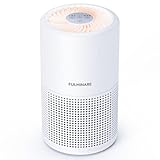


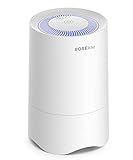
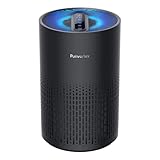
🛒 Best Price Today on Amazon
Prime members get fast, free shipping on everything above, plus member-only deals. New members get a 30-day free trial — cancel anytime.
Air Purifier Basics for Beginners
An air purifier is simply a device that pulls in room air, passes it through one or more filters, and returns cleaner air, removing dust, pollen, pet dander, and smoke along the way. For beginners, the two things that matter most are a true HEPA filter for capturing fine particles and a clean air delivery rate that matches your room size. You do not need to understand every acronym to get a great result. Starting with a straightforward model teaches you what works, and our overview of how air purifiers work fills in the background at your own pace.
| Product | Best For | Standout Feature | Rating |
|---|---|---|---|
| Levoit Core 300 | First-time buyers | Simple one-dial control | 4.8/5 |
| Coway Airmega AP-1512HH | Medium rooms | Auto mode with sensor | 4.7/5 |
| Winix A231 | Everyday value | Washable pre-filter | 4.6/5 |
| Blueair Blue Pure 411 | Small spaces | Compact quiet design | 4.6/5 |
| GermGuardian AC4825 | Budget starters | Slim tower footprint | 4.5/5 |
What Beginners Should Look for in an Air Purifier
You can ignore most of the jargon and focus on a handful of features that genuinely matter for a first purifier. Here is what to prioritize.
True HEPA Filtration
The single most important feature is a true HEPA filter, which captures 99.97 percent of particles at 0.3 microns, covering dust, pollen, and pet dander. Beware of “HEPA-type” labels, which describe a weaker standard. As a beginner, simply confirming the words “true HEPA” on the product ensures you are getting real filtration performance. If allergies are your reason for buying, our guide to air purifiers for allergies goes a step deeper.
Room Size and CADR
Every purifier is rated for a certain room size, usually expressed through its clean air delivery rate (CADR), and matching this to your space is essential. Measure the square footage of the room where you will use it and choose a model rated for that size or a little larger. A slightly oversized purifier cleans the air faster and can run quietly on a lower setting.
Ease of Use and Filter Replacement
As a beginner, you want a purifier that is easy to operate and maintain, with simple controls and clearly labeled replacement filters. Check how often filters need changing and how much they cost, since that is your main ongoing expense. Models with a filter-replacement indicator take the guesswork out of maintenance, which is reassuring for first-time owners.
Our Top Beginner Air Purifier Picks
These picks are chosen specifically for people buying their first air purifier, balancing simplicity, performance, and value. We note the upsides and the compromises of each.
Levoit Core 300 — Best Air Purifier for Beginners Overall
The Core 300 is a beginner favorite thanks to its simple one-dial operation, true HEPA filtration, and compact size that fits any room. It is quiet, affordable, and nearly foolproof to use. Its main limitation is coverage, since it is designed for small to medium rooms rather than large open spaces, but for a first purifier it is ideal.
Coway Airmega AP-1512HH — Best for Medium Rooms
This popular Coway model adds an air-quality sensor and auto mode that adjusts fan speed automatically, making it effortless for beginners who want a set-and-forget experience. It covers medium rooms well. The trade-off is a slightly higher price than entry-level units, though the automation and reliability justify it for many. Pair it with an indoor air quality monitor to see the results.
Winix A231 — Best Everyday Value
The Winix A231 combines true HEPA filtration with a washable pre-filter that reduces long-term filter costs, offering strong value for new owners. It handles medium rooms comfortably. It lacks smart-app features, but its straightforward controls are actually a plus for beginners who want simplicity over complexity.
Blueair Blue Pure 411 — Best for Small Spaces
The compact Blue Pure 411 is perfect for bedrooms, dorms, and small offices, running quietly while filtering the air effectively. Its swappable colored pre-filter sleeve adds a bit of personalization. Because it is sized for small rooms, it is not the right choice for large living areas, but in its element it excels and is very beginner-friendly.
GermGuardian AC4825 — Best Budget Starter
The GermGuardian AC4825 offers true HEPA filtration in a slim tower at a wallet-friendly price, making it an easy first step into air purification. Its narrow footprint fits tight spaces. The optional UV-C feature is minor, and filter life is shorter than premium rivals, but for beginners testing the waters it delivers solid clean-air performance.
Getting Started With Your First Air Purifier
Setting up your first air purifier is simple: place it in the room where you spend the most time, keep it a few feet from walls and furniture so air can circulate, and run it continuously on a low or auto setting rather than only when you notice a problem. Steady operation prevents dust and dander from building up in the first place. Check the pre-filter monthly and replace the main filter on the schedule the manufacturer recommends, using the indicator light if your model has one. As you get comfortable, you may want to address other sources of indoor pollution too; our guides to changing your HVAC filter and basic duct cleaning pair naturally with a purifier to give beginners a complete, cleaner-air routine.
Frequently Asked Questions
Do I really need an air purifier as a beginner?
If you deal with allergies, pets, smoke, or simply want fresher indoor air, an air purifier makes a noticeable difference by continuously removing airborne particles. Even beginners without specific concerns often appreciate the reduction in dust and odors. Starting with a simple true-HEPA model is a low-risk way to see whether the benefits matter to you.
Should I run my air purifier all the time?
Yes, for best results run it continuously on a low or automatic setting rather than only occasionally. Steady operation keeps particles from accumulating and maintains consistently clean air, and most modern purifiers are energy-efficient and quiet on lower speeds. Auto mode is especially convenient because it raises the fan speed only when the air needs it.
How much do replacement filters cost to maintain?
Filter costs vary by model, but true HEPA filters typically need replacing every six to twelve months, and carbon filters more often if odor control is a priority. Before buying, check the price and availability of replacement filters, since that is your main ongoing expense. Models with washable pre-filters help extend the life of the more costly main filter.
What size air purifier should a beginner buy?
Choose a purifier rated for the square footage of the room where you will use it, or slightly larger so it can clean the air faster on a quieter setting. Measure your room before buying and check the model’s coverage rating and clean air delivery rate. Matching size to space is the most common thing beginners overlook, and getting it right ensures good results.
Top picks from this guide
 LevoitLevoit Air Purifiers for Bedroom Home Pets Dorm Room, Small…$42 \xc2\xb7 99/100
 MOOKAAir Purifiers for Home Large Room up to 2200sq.ft, MOOKA…$80 \xc2\xb7 99/100
 LevoitLevoit Air Purifier for Home Pets Hair Allergens in Bedroom…$90 \xc2\xb7 98/100
 VOOPNUVOOPNU Air Purifiers for Home, High Efficiency Filter Up to…$27 \xc2\xb7 98/100
Write Your Review
No reviews yet. Be the first to share your experience!