
- Top Pick: Flexible 8 Tentacles Air Duct Cleaning Whip, Forward Air Flow Design, 14 Inch Long for Duct Cleaning with 1/8 Inch Connector
- Best Value: Professional Air Duct & Dryer Vent Cleaning Tool Kit with 5 Flexible 3/8OD Rods, Forward & Reverse Skipper Balls, Multiple Air Whips & Air Controlled Blowgun
- Premium Choice: Nanoskin Rotary Brush for Upholstery and Wheel Cleaning, 5"
Choosing between an air duct whip and a rotary brush comes down to more than which tool looks more powerful. The real decision is how you want to remove dust and debris: with compressed air that loosens material and sends it toward a vacuum, or with spinning bristles that scrub a surface directly. Your duct material, available equipment, storage space, cleaning frequency, and tolerance for noise all matter.
An air duct whip is generally the better choice for flexible cleaning inside supply and return ducts, especially when paired with a high-powered vacuum and compressed-air system. A rotary brush is more versatile for reachable surfaces, grilles, dryer vents, upholstery, and general household scrubbing. Neither tool is automatically the right answer for every home. The best option is the one that matches the surfaces you can safely access and the equipment you already own.
As an Amazon Associate we earn from qualifying purchases at no extra cost to you.


Quick Verdict
Choose an air duct whip if your main goal is loosening dust from the interior walls of ductwork. Its flexible, air-driven tentacles can move through bends and agitate buildup without requiring a rigid shaft to travel the entire duct. It works best with negative-air containment, a suitable vacuum, and a compressor or air-controlled blowgun.
Choose a rotary brush if you want one compact tool for scrubbing accessible surfaces. A drill brush or powered brush can clean registers, grilles, vent covers, upholstery, tile, and some straight sections of venting. It is typically less expensive to start with, but it may be too aggressive for fragile duct liners and cannot easily navigate complex duct runs.
Side by Side
| Factor | Air Duct Whip | Rotary Brush |
|---|---|---|
| Comfort | Light at the hand, but compressor and vacuum hoses add bulk; air noise can be substantial | Usually comfortable for short jobs; drill vibration and trigger fatigue increase during long sessions |
| Durability | Flexible whips can last for years when kept away from sharp edges and excessive pressure | Brush heads wear gradually; drill-based systems depend on the drill and attachment quality |
| Price range | About $40–$350 for consumer to professional whip kits, excluding a compressor or vacuum | About $10–$150 for attachments and basic powered-brush setups |
| Maintenance | Clean and dry the whip, inspect connectors, and protect hoses and air fittings | Rinse or replace brush heads and wipe down the drill or power unit |
| Space needed | More storage because of hoses, rods, vacuum connections, and possibly an air compressor | Minimal for attachment sets; a drill is usually the only additional power equipment |
| Look | Professional duct-cleaning appearance with hoses and specialized fittings | Familiar handheld-tool setup that looks less specialized |
| Resale | Potentially useful to contractors or serious DIY users, but the buyer pool is smaller | Broader appeal because drill brushes have many household uses |
| Best for | Interior duct agitation, long or curved runs, and dust removal with containment | Registers, grilles, reachable vents, upholstery, tile, and general scrubbing |
| Power source | Compressed air, normally with a shop vacuum or negative-air machine | Cordless or corded drill, dedicated scrubber, or another compatible rotary tool |
Where Air Duct Whip Wins
The biggest advantage of an air duct whip is reach. Flexible tentacles can bend around corners and work inside duct sections where a rigid brush or drill shaft may stop. The air pulses help agitate loose dust, lint, and light debris while a vacuum pulls the material away. That combination is more suitable for a duct-cleaning process than simply blowing dust into the room.
Air whips are also useful when you want to minimize direct contact between a hard tool and the duct surface. This matters with sheet-metal ducts, where an overly aggressive rotating brush can scratch or dent thin metal. A flexible whip still needs controlled handling, but it generally provides a softer contact pattern than stiff bristles on a rapidly spinning shaft.
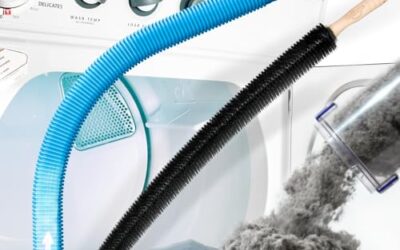
Some whips use forward-airflow designs that direct air and loosened debris toward the opening or vacuum path. For example, a Flexible 8 Tentacles Air Duct Cleaning Whip measures 14 inches and uses a 1/8-inch connector; its listed price is $46.95. A compact tool like this may make sense for targeted work when you already have compatible air equipment.
For larger jobs, a kit can simplify the setup. A Professional Air Duct & Dryer Vent Cleaning Tool Kit includes five flexible 3/8-inch outside-diameter rods, forward- and reverse-skipping balls, multiple air whips, and an air-controlled blowgun. Its listed price is $299.95. A kit at that level takes more storage and setup time, but it can cover more duct and dryer-vent configurations than a single short whip.
The limitation is that an air whip is not a standalone household gadget. Without enough airflow, the tentacles may not move effectively. You also need a vacuum strategy so loosened debris does not simply migrate through the home. Improperly sealed registers, unfiltered exhaust, or excessive air pressure can spread dust or damage delicate components.
Where Rotary Brush Wins
Rotary brushes win on versatility and startup cost. A brush attached to a cordless drill can scrub a vent cover, return grille, baseboard, shower surface, or upholstered area with equipment many homeowners already have. Brush stiffness and speed can be adjusted, making the system useful for light and medium-duty cleaning when handled carefully.
They are especially practical for the parts of a ventilation system you can see and remove. Taking off a register or grille, vacuuming loose debris, and gently brushing the cover can make a noticeable difference without setting up compressed air. A rotary brush can also reach short, straight sections of duct, although its effective reach is limited by the shaft, opening, and ability to control the brush.
Small attachments are inexpensive. A Nanoskin Rotary Brush for Upholstery and Wheel Cleaning has a 5-inch head and a listed price of $18.99, while the Holikme 8-Piece Drill Brush Attachment Set is listed at $9.98. These products illustrate why rotary tools are appealing for occasional household cleaning: one purchase can support several tasks rather than ductwork alone.
However, spinning bristles require restraint. High speed, heavy pressure, or a stiff brush can damage flexible duct liner, insulation, painted grilles, upholstery, or delicate screens. A rotary brush also tends to dislodge debris locally unless you use a vacuum at the same time. For deep duct runs with bends, it may clean the first accessible section while leaving farther areas untouched.
Cost Over 5 Years
Five-year ownership cost depends heavily on equipment you already have. A basic rotary setup may cost $10–$50 for attachments if you own a compatible drill. If you need a cordless drill, add roughly $80–$250; replacement brush heads may add $10–$30 over five years. That puts a realistic total at about $20–$280, before tax and excluding a vacuum.
An air-whip setup can begin around $47 for a single attachment. A more complete kit may cost about $300, while a suitable compressor and high-capacity vacuum can add roughly $150–$700 or more if you do not already own them. Consumable costs are usually modest, but fittings, hoses, filters, and replacement whips can add $20–$100 over five years. A practical total is about $70–$1,100, depending on whether the supporting equipment is already in your garage.
For one occasional cleaning, hiring a professional may be more economical than buying a compressor, vacuum, and duct tools. For repeated DIY work, a whip becomes easier to justify, particularly if you also clean dryer vents or own other pneumatic tools. These are equipment-cost ranges, not guarantees of cleaning performance or a substitute for a professional quote.
Which One for Your Home
Small Apartment
A rotary brush is usually the better fit. Storage is limited, shared walls make compressor noise inconvenient, and apartment residents may not have access to a shop vacuum or exterior duct connections. Use a soft brush on removable registers and grilles, and avoid pushing a powered attachment deep into unknown ductwork. If the building has central HVAC, ask management or the building owner about duct maintenance rather than modifying the system yourself.
Family With Kids and Pets
Choose a rotary brush for routine surface cleaning and an air duct whip for a planned, contained duct-cleaning project. Homes with pets can accumulate visible hair around registers, but a brush and vacuum are usually easier for frequent touch-ups. If you use compressed air, isolate the work area, cover furnishings, and use proper filtration so loosened dust does not circulate through bedrooms or living spaces.
Rental
A small rotary brush set offers the lowest commitment. It can clean vent covers and other removable surfaces without requiring permanent changes. Before accessing interior ductwork, check the lease and get written permission if necessary. An air whip is rarely the first purchase for a renter because the required compressor, vacuum, and setup are difficult to justify for a temporary home.
Long-Term Home
An air duct whip makes more sense if you plan to maintain the home for many years and already own compatible pneumatic and vacuum equipment. It can also be useful for dryer-vent work and other narrow cleaning jobs. Still, select the tool based on the duct construction. Use gentle methods around flexible ducts, internal insulation, dampers, coils, and electrical components, and bring in a professional when access or contamination is beyond a safe DIY project.
FAQ
Is an air duct whip better than a rotary brush?
For interior duct cleaning, an air duct whip is usually better at reaching bends and agitating debris when paired with proper vacuum containment. For removable covers, short accessible sections, and general household cleaning, a rotary brush is more versatile and less expensive.
Can I use a rotary brush inside flexible air ducts?
Only with considerable caution and a brush approved for that type of surface. Flexible ducts can have thin interiors or insulation that may tear, snag, or separate. A slow speed, light pressure, and a short accessible section are safer than forcing a stiff brush deep into the run.
Do air duct whips require a compressor?
Yes, an air-powered whip requires a compressed-air source with sufficient airflow and compatible fittings. It should normally be used with a vacuum or negative-air setup to capture loosened debris. A household vacuum alone does not power the whip.
Which tool should a first-time DIY cleaner buy?
Start with a rotary brush if you need an inexpensive, multipurpose tool for registers and household surfaces. Consider an air duct whip only after confirming that you have the compressor, vacuum, fittings, access, and protective equipment needed to contain the work safely.
Ready to decide? Our #1 pick for 2026 is the Comfort.
Live price & availability on Amazon.



Write Your Review
No reviews yet. Be the first to share your experience!