
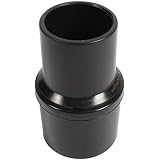
- Top Pick: Cen-Tec Systems 61298 Vacuum Cuff for 2" Diameter Hose, Black
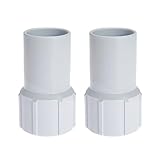
- Best Value: Nayciiy 1-1/2" Threaded Pool Hose Cuff Swimming Pool Vacuum Hose Replacement Cuff Spiral Wound Vacuum Hose Repair Hose Ends (2)
- Premium Choice: Ceptics 45W Universal Travel Adapter w/ 3 USB-A, 2 USB-C & Universal Input
When a vacuum hose no longer fits securely, the choice often comes down to two small parts: a vacuum hose cuff or a universal adapter. They may look similar, but they solve different problems. A cuff is primarily a replacement end piece that restores the connection on a compatible hose. A universal adapter is a compatibility tool, usually designed to connect hoses, wands, tools, or ports with different diameters.
The real decision is not which part is more advanced. It is whether you need to repair one known connection or make several mismatched vacuum components work together. Before buying, measure the hose opening, check whether the connection is threaded or friction-fit, and note whether the diameter is measured inside or outside the hose. A difference of even 1/8 inch can determine whether the connection seals properly.
As an Amazon Associate we earn from qualifying purchases at no extra cost to you.


Quick Verdict
Choose a vacuum hose cuff when the original cuff is cracked, missing, or worn and you want a simple, low-cost replacement for the same hose size. It is usually the neatest and most secure option for a permanent repair.
Choose a universal vacuum adapter when you regularly switch between tools or need to connect components with different diameters. It provides more flexibility, but it may add length, bulk, and extra connection points that can loosen or reduce airflow.
In short: a cuff is better for repair and fit; an adapter is better for versatility.
Side by Side
| Factor | Vacuum Hose Cuff | Universal Vacuum Adapter |
|---|---|---|
| Primary purpose | Replaces a damaged hose end or connector | Bridges different hose, wand, or tool sizes |
| Comfort in use | Usually light and close to the hose; less wobble | Can feel bulkier, especially with multiple stepped sections |
| Durability | Often strongest when matched to the correct hose | Depends on fit; repeated adjustment can wear the connection |
| Typical price range | About $6 to $20 | About $8 to $30 |
| Maintenance | Minimal; inspect threads, seals, and cracks | More frequent cleaning and fit checks at each joint |
| Space needed | Typically about 2 to 4 inches long | Often about 3 to 8 inches long, depending on design |
| Appearance | Clean, factory-like look when properly matched | More visible and utilitarian, particularly with stepped adapters |
| Resale value | Helpful if included with a complete, correctly fitted vacuum | Useful as an accessory, but less valuable if not compatible with the buyer’s tools |
| Best for | Repairing one hose or replacing a lost end | Homes with mixed brands, tool sizes, or specialty attachments |
Where Vacuum Hose Cuff Wins
A cuff is the better choice when you already know the hose diameter and need a direct replacement. It keeps the connection compact, which matters when you are pulling a canister vacuum around furniture or using a handheld hose in tight spaces. Fewer parts also mean fewer places for air to leak.
Most cuffs are made from molded plastic or rubber-like material. A correctly sized cuff should slide or thread onto the hose with firm resistance, without requiring excessive force. For a threaded or spiral-wound hose, a threaded cuff is generally more appropriate than a smooth slip-on piece. For example, the Nayciiy 1-1/2-inch threaded pool hose cuff is intended for a spiral-wound hose repair application and is sold as a two-piece set for $7.99. It is a reminder to match the thread pattern as carefully as the diameter.
The Cen-Tec Systems 61298 Vacuum Cuff is listed for a 2-inch-diameter hose and costs $9.87. A part like this makes sense when the hose and the replacement cuff share that nominal size. However, “2 inches” can refer to a manufacturer’s stated hose diameter rather than the exact opening you measure with a ruler. Compare the product specification with your hose’s inside and outside measurements before ordering.
Cuffs also win aesthetically. A replacement end that matches the hose looks more intentional than a series of stepped rings. The shorter profile is less likely to catch on cabinet corners, and the lower weight reduces strain on a wand or tool connection. For a single damaged end, there is little benefit in buying a more complicated universal part.
Where Universal Adapter Wins
A universal vacuum adapter is useful when one hose must work with multiple tools. This is common when a household has a central vacuum system, a shop vacuum, a canister vacuum, or attachments from different brands. An adapter can connect a larger hose to a smaller dusting brush, a power tool dust port, or a specialty floor tool that does not share the same opening.
The main benefit is flexibility. Instead of replacing several tools, you may be able to use one adapter with a range of openings. Some designs are stepped, allowing the user to trim or select the section that produces the closest fit. Others use flexible rubber that compresses around slightly different diameters.
The tradeoff is that “universal” does not mean truly one-size-fits-all. Vacuum openings commonly fall around 1-1/4 inches, 1-1/2 inches, and 2 inches, but nominal measurements vary by brand. An adapter may fit loosely, require a hose clamp, or block part of the opening. If suction drops noticeably, check for an oversized connection, an internal ridge, or an air gap.
Also avoid confusing a universal vacuum adapter with a universal travel adapter. The Ceptics 45W Universal Travel Adapter with three USB-A ports and two USB-C ports is an electrical travel accessory priced at $22.99, while the Universal Travel Adapter USB C, All in One Worldwide Plug Adapter is listed at $13.99. Neither is intended to connect vacuum hoses or tools. The word “universal” describes different product categories, so search results deserve careful reading.
Cost Over 5 Years
For a basic repair, a cuff is usually the lower-cost path. At roughly $6 to $20, replacing one damaged cuff may cost less than buying a universal adapter and additional clamps or seals. If the cuff fits correctly, it can last for years with little attention. Keeping a spare can also be practical, especially for a central vacuum hose that is used frequently.
A universal adapter generally costs about $8 to $30. The five-year value improves if it replaces several specialized connectors or allows an older vacuum to keep using tools you already own. It becomes less economical if you buy multiple adapters after discovering that the first one does not match your hose.
Over five years, consider the cost of failure as well as the purchase price. A loose adapter can allow dust to escape, make the vacuum louder, or put stress on a tool neck. A properly fitted cuff reduces those risks because it creates a direct connection. Neither part has a meaningful motor wattage rating; the vacuum’s motor determines power, while the connector’s job is to preserve the airflow path.
Which One for Your Home
Small apartment
Choose a cuff if your vacuum has one damaged hose end and you use the manufacturer’s standard tools. Its shorter length is easier to store in a closet, and the low price keeps a minor repair from becoming a major purchase. Choose an adapter only if storage space is limited but you need one vacuum to serve several incompatible tools.
Family with kids and pets
A cuff is usually the more durable everyday choice because it has fewer joints to pull apart. If you use pet-hair tools, upholstery brushes, and crevice tools from different systems, a universal adapter can be worthwhile. Look for a flexible but thick-walled design and check the connection regularly for hair, grit, and cracks.
Rental
An adapter offers flexibility when you do not want to modify the landlord’s equipment or purchase a new vacuum. It can help you use your preferred attachments with an existing machine. If the supplied hose is simply missing its original end, however, a matching cuff is less conspicuous and less likely to interfere with normal use.
Long-term home
For a central vacuum or a system you expect to keep for many years, use a cuff for permanent hose repairs and add an adapter only for a specific tool mismatch. Measure carefully, keep the original connector if possible, and buy a replacement made for the hose’s thread style and diameter. The best long-term setup is usually the one with the fewest unnecessary transitions.
FAQ
Can a universal adapter replace a vacuum hose cuff?
Sometimes, but it is not always the best repair. An adapter can connect the hose to a tool, yet it may not replace the molded end that secures the hose to the vacuum body. For a cracked or missing cuff, use a direct replacement whenever the correct size is available.
How do I measure for a vacuum hose cuff?
Measure the opening with a ruler or caliper and record both the inside and outside diameters. Measure at the end where the cuff attaches, not several inches down the hose. Also identify whether the hose is smooth, ribbed, or spiral-wound, and check for threads. Compare those measurements with the manufacturer’s specifications.
Will an adapter reduce suction?
It can. A poorly sized adapter may leak air, narrow the passage, or create an internal obstruction. A close-fitting, smooth adapter usually has less impact than a loose or sharply stepped one. If suction falls after installation, inspect every joint and remove any excess material that blocks the opening.
Are vacuum hose cuffs interchangeable between brands?
Not reliably. Two cuffs may share a nominal diameter but use different threads, locking tabs, tapers, or attachment depths. Brand compatibility is less important than exact dimensions and connection style, but both still need to match. When in doubt, compare the original part’s shape and measure the mating connection before purchasing.
Ready to decide? Our #1 pick for 2026 is the Primary purpose.
Live price & availability on Amazon.





Write Your Review
No reviews yet. Be the first to share your experience!