
To clean a flooded basement safely, shut off power to the area, remove the water with a pump and wet/dry vacuum, pull out soaked carpet, pad, insulation and drywall below the water line, clean hard surfaces with detergent and water, then dry everything with fans and a dehumidifier within 24 to 48 hours to stop mold growth. That 24 to 48 hour window, cited in U.S. Environmental Protection Agency (EPA) mold guidance, is the most important number in any flooded basement cleanup.
- Before you start: safety checks
- Water categories: what you can save
- How to clean flooded basement spaces: step by step
- How to dry out a flooded basement
- Basement mold after flood: what to watch for
- Don’t forget the HVAC system and ductwork
- Insurance and paperwork
- Preventing the next basement flood
- Gear that helps
- Frequently Asked Questions
This guide walks through how to clean flooded basement floors, walls and contents step by step, explains which materials can be saved and which must go, shows how to dry out a flooded basement properly, and covers how to spot and handle basement mold after a flood.
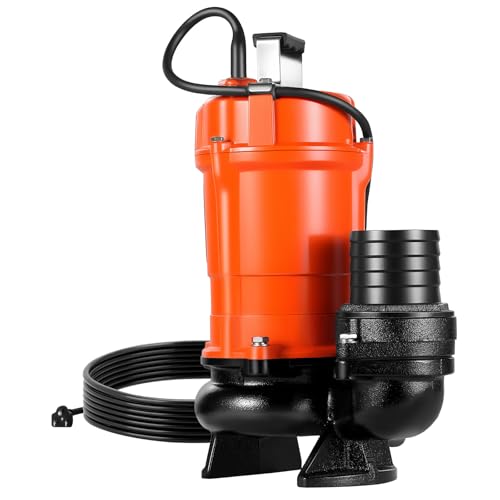
VEVOR Submersible Trash Pump 1 HP 5000 GPH 120V Cast Iron Sump Sewage Pump | For Pools, Garden, Pond, Basement, Flooded Areas, Drain Dirty Clean Water, with 3 in Discharge, 40 ft Max Lift, IPX8-Rated
Included for 'How to Clean a Flooded Basement and Stop Mold Growth' because the listing specifies For Pools and Garden, details this guide uses to compare options.
View on Amazon
VEVOR Submersible Sump Pump, 0.75HP 5000GPH, 28 FT Lift Cast Iron Sewage Water Pump with 10 ft Power Cord and Automatic Float Switch, Stainless Steel for Clean Flooded Basement Yard Farm Sewer
Included for 'How to Clean a Flooded Basement and Stop Mold Growth' because the listing specifies 0.75HP 5000GPH and Stainless Steel for Clean Flooded Basement Yard Farm Sewer, details this guide uses to compare options.
View on Amazon
Cleartide 1/3 HP Submersible Utility Pump, 2790 GPH High Flow, Portable Sump Pump with Auto Water Sensor, Ideal for Pool, Flooded Basement, Hot Tub, Pond and Garden Draining
Included for 'How to Clean a Flooded Basement and Stop Mold Growth' because the listing specifies 2790 GPH High Flow and Portable Sump Pump with Auto Water Sensor, details this guide uses to compare options.
View on Amazon
6699 1.5 HP Submersible Water Pump with 25FT x 1-1/2" PVC Lay Flat Hose | Discharge Hose, Draining Sump Pump Kit, Easy to Use, Removing Clean/Dirty Water, For Pool Pond Flooded Basement Rain Barrel
Included for 'How to Clean a Flooded Basement and Stop Mold Growth' because the listing specifies Discharge Hose and Draining Sump Pump Kit, details this guide uses to compare options.
View on AmazonKey takeaways
- Safety first: do not step into standing water until the electricity to the basement is off.
- Dry within 24 to 48 hours to limit mold; start removing wet materials the same day.
- Sewage or floodwater (gray or black water) means porous items such as carpet, pad and drywall should be discarded.
- Keep relative humidity under about 50 percent while drying and confirm with a moisture meter before rebuilding.
- Photograph everything before you remove it, for insurance.
Before you start: safety checks
- Electricity: if water is near outlets, appliances or the electrical panel, do not enter. Turn off power at the main breaker if you can reach it from a dry spot, or call your utility or an electrician.
- Gas: if a furnace or water heater was submerged, or you smell gas, leave the house and call the gas company from outside.
- Water source: find out if the water is clean (a burst supply pipe), gray (washing machine, sump overflow) or black (sewage backup, river or storm floodwater). The answer decides what you can keep.
- Protective gear: wear rubber boots, waterproof gloves, eye protection and an N95 respirator when tearing out wet materials or working near mold.
- Carbon monoxide: never run gasoline pumps, generators or pressure washers inside the house or basement, or near open windows. CO can build up quickly and is deadly.
- Structure: if walls are bowing, cracked or the floor has heaved, call a professional before pumping.
Water categories: what you can save
| Category | Typical source | Carpet and pad | Drywall and insulation | Hard items (tile, metal, plastic) |
|---|---|---|---|---|
| Clean water (Category 1) | Burst supply line, water heater, rain through a window | Carpet may be saved if dried within 24 to 48 hours; pad usually replaced | Can sometimes be dried if wet briefly; remove if soft or swollen | Clean and dry |
| Gray water (Category 2) | Washing machine, dishwasher, sump overflow | Professional cleaning or discard; discard pad | Remove wet sections | Clean with detergent, dry |
| Black water (Category 3) | Sewage backup, river, groundwater or storm flooding | Discard | Remove at least 12 inches above the water line | Clean thoroughly; disinfect where appropriate |
Clean water left sitting for more than a day or two can degrade into gray water, so treat older floods with more caution.
How to clean flooded basement spaces: step by step
- Document the damage. Take photos and video of water levels, damaged items and model numbers on appliances before moving anything. Reason: insurers usually want proof of the damage and the cleanup.
- Stop the source. Shut off a broken water line, fix a failed sump pump or clear the discharge line. Reason: drying is pointless while water is still coming in.
- Remove standing water. Use a submersible utility pump for more than a few inches, then a wet/dry vacuum for the last half inch and for corners. If the basement is deeply flooded after a major storm and the soil outside is still saturated, FEMA advises pumping out gradually, about one-third of the water per day, so outside water pressure does not crack or collapse foundation walls.
- Move out contents. Carry furniture, boxes and stored items outside or to a dry area. Reason: wet items keep humidity high and slow drying.
- Pull up carpet and pad. Cut wet carpet into strips for easier handling. Pad soaks up water like a sponge and is almost always replaced.
- Remove wet drywall and insulation. Make a “flood cut” about 12 inches above the highest water line (higher if water wicked up further) and remove all wet fiberglass insulation. Reason: drywall and insulation hold moisture inside walls, where mold grows unseen.
- Clean hard surfaces. Scrub concrete, framing, tile and metal with detergent and water, then rinse and wet-vac. For sewage or floodwater, you can follow with a disinfectant on non-porous surfaces; CDC flood guidance says if you use bleach, use no more than 1 cup of household bleach per gallon of water, and never mix bleach with ammonia or other cleaners.
- Start drying immediately. Run fans to move air across wet surfaces and a dehumidifier to pull moisture out of the air. Open windows only when outside air is drier than inside air.
- Measure moisture. Check framing, the slab and remaining drywall with a moisture meter, comparing readings with a known dry area. Reason: surfaces feel dry long before wood and concrete are actually dry inside.
- Rebuild only when dry. Wait until readings return to normal (many restorers look for wood framing in the low teens or below, as a percentage moisture content) before installing new insulation, drywall or flooring.
A concrete example
A finished 600-square-foot basement takes on 3 inches of water when a sump pump fails during a storm. The homeowner turns off the basement circuits, photographs everything and runs a submersible utility pump into the sump discharge, then a 16-gallon wet/dry vac. Carpet and pad go to the curb. Drywall is cut 12 inches above the 3-inch water line, so a 15-inch strip comes off every wet wall, along with wet insulation. After washing the slab and studs, two fans and a dehumidifier with a built-in pump run continuously. Relative humidity falls from about 85 percent to under 50 percent in three days, and the stud moisture readings match a dry reference stud by day five. Rebuilding starts after a final check on day seven.
How to dry out a flooded basement
Good drying combines three things: removing liquid water, moving air and removing moisture from the air. Here is a realistic timeline:
| Time after flooding | Priority | Target |
|---|---|---|
| 0 to 24 hours | Safety, stop source, pump out water, photograph damage | No standing water |
| 24 to 48 hours | Remove carpet, pad, wet drywall and insulation; start fans and dehumidifier | All porous wet materials out; air moving |
| 2 to 5 days | Continuous dehumidification; clean surfaces | Relative humidity under about 50 percent |
| 5 to 14 days | Measure moisture daily; watch for mold or odor | Materials back to normal moisture readings |
| After drying confirmed | Rebuild; consider waterproofing upgrades | Dry, odor-free space |
Drying equipment tips
- Dehumidifier size: for a damp-to-wet basement, choose a unit rated around 50 pints per day or more under the current Department of Energy test standard, and run it continuously. A model with a built-in pump or a gravity drain hose to a floor drain saves emptying the bucket every few hours.
- Air movers and fans: point fans at walls and floors, not just into the middle of the room. One fan per 10 to 16 feet of wall is a common starting point.
- Heat helps, within reason: warmer air holds more moisture and makes dehumidifiers more efficient. Keep the space around 70 to 80°F if possible.
- Close the space: when the dehumidifier is running, close basement doors and windows so it is not trying to dry the whole outdoors.
- Empty or drain often: a full bucket shuts the unit off.
Basement mold after flood: what to watch for
Mold can begin growing on damp materials within 24 to 48 hours, according to the EPA. Signs include a musty, earthy smell; fuzzy or spotted growth in black, green, white or gray; and staining that spreads on drywall paper, wood or stored cardboard.
Handling small areas yourself
The EPA suggests that homeowners can usually handle mold covering less than about 10 square feet (roughly a 3 by 3 foot patch). For small areas:
- Wear an N95 respirator, gloves and goggles.
- Remove and bag moldy porous materials such as drywall, ceiling tiles, carpet and cardboard.
- Scrub mold off hard surfaces with detergent and water, then dry completely.
- Fix the moisture problem; otherwise mold will return.
When to call a professional
- Mold covers more than about 10 square feet or keeps returning.
- The flood involved sewage or contaminated floodwater.
- Mold is inside HVAC ducts, the furnace or air handler (do not run the system; have it inspected and cleaned).
- Anyone in the home has asthma, allergies, a weakened immune system or other health concerns; ask a doctor about exposure and keep them out of the area during cleanup.
Don’t forget the HVAC system and ductwork
If floodwater reached the furnace, air handler, return ducts or floor registers, those components can hold contaminated water and spread odors or mold spores through the house. Turn the system off, have a licensed HVAC technician inspect any equipment that was submerged, and replace filters. Flooded ductwork, especially flexible duct or duct with internal insulation, is often replaced rather than cleaned. Metal ducts may be cleaned and dried by a professional if the water was clean.
Insurance and paperwork
- Standard homeowners policies usually exclude flood damage from outside water; that typically needs a separate flood policy, such as through the National Flood Insurance Program.
- Sewer or sump backup damage often requires a specific endorsement on your policy.
- Burst pipe damage is often covered under standard policies; check your policy terms.
- Keep receipts for pumps, dehumidifiers, dumpster fees and professional services.
- Do not throw away expensive items until your adjuster has seen them or approved disposal based on photos.
Preventing the next basement flood
- Test the sump pump each season by pouring water into the pit, and add a battery backup pump.
- Extend downspouts at least 4 to 6 feet from the foundation and keep gutters clear.
- Grade soil so it slopes away from the house.
- Install a backwater valve if sewer backup is a risk in your area.
- Store items on shelves or in plastic bins rather than cardboard on the floor.
- Run a dehumidifier in summer to keep basement humidity under about 50 percent.
- Install water leak alarms near the water heater, washer and sump pit.
Gear that helps
- Superior Pump 91250 Utility Pump · 1/4 HP · up to 1,800 gallons per hour (per the listing) · 10-foot cord. A compact submersible pump for pushing out several inches of standing water through a garden hose.
- CRAFTSMAN 16 Gallon Wet/Dry Shop Vacuum (CMXEVBE17595) · 6.5 peak HP · large drum. Picks up the last inch of water, corners and debris the pump cannot reach.
- Klein Tools ET140 Pinless Moisture Meter · reads up to 3/4 inch deep · non-destructive. Lets you confirm drywall and framing are truly dry before rebuilding.
Frequently Asked Questions
How long does it take to dry out a flooded basement?
Usually 3 to 7 days with a dehumidifier and fans running continuously, and up to two weeks for concrete and heavily soaked framing. Use a moisture meter rather than touch to decide when materials are dry.
Can I clean a flooded basement myself?
Yes, for clean or gray water and small areas, if the electricity is safely off and you have a pump, a wet/dry vacuum and a dehumidifier. Call professionals for sewage, deep water, structural damage or mold larger than about 10 square feet.
Should I use bleach after a basement flood?
Detergent and water are the first step for cleaning hard surfaces. If you use bleach on non-porous surfaces, CDC guidance says to use no more than 1 cup per gallon of water, ventilate well and never mix it with ammonia or other cleaners. Bleach does not fix mold in porous materials, which should be removed.
Can wet carpet in a basement be saved?
Carpet soaked by clean water and dried within 24 to 48 hours can sometimes be saved, though the pad is usually replaced. Carpet soaked by sewage or floodwater should be discarded.
How high should I cut drywall after a flood?
A common practice is to cut about 12 inches above the highest water line, or higher if moisture wicked further up the wall. Check with a moisture meter above the cut to make sure the remaining drywall is dry.
How do I get rid of the musty smell after a basement flood?
The smell usually means something is still damp. Find and remove wet materials, keep humidity under about 50 percent with a dehumidifier, clean hard surfaces and replace HVAC filters. If the odor persists after everything is dry, have the space checked for hidden mold.








Write Your Review
No reviews yet. Be the first to share your experience!