
Carbon builds up on intake valves, inside the throttle body and across the air filter, and a rough idle, hesitation or lost power often follows. The real decision is not whether to clean the intake but which kit matches your engine type, how the cleaner is applied, and whether the kit includes everything the job needs. A spray that needs a pressurized tool is no help without one, and a filter kit that only fits oiled cotton filters will not serve a dry filter. Reading the listing first saves a return.


This guide is for drivers with gasoline direct injection engines, owners of turbocharged cars, and anyone maintaining a reusable air filter at home. Every kit below was chosen from the name and specifications stated on its Amazon product page. The kits here cover intake valves and the air filter, so the guide also explains which part of the intake path each kit serves.
Quick Picks
As an Amazon Associate we earn from qualifying purchases
| Product | Best for | Key spec from title |
|---|---|---|
| CRC GDI IVD Intake Valve and Turbo Cleaner | GDI intake valve deposits | 11 oz aerosol, PEA detergent |
| Gumout 540028 Foaming Intake Valve and Turbo Cleaner | Foam that clings to deposits | 11 oz foaming cleaner, precision straw |
| K&N 99-5000 Aerosol Recharger Kit | Recharging an oiled cotton filter | Aerosol oil and Power Kleen cleaner |
How to Choose
Match the kit to your engine
Engine type decides which cleaner works. CRC GDI IVD is listed for gasoline direct injection and standard port fuel injection engines, including turbo systems, because direct injection leaves intake valves without fuel washing over them. Gumout 540028 is described for GDI and port fuel injection systems with turbochargers as well. K&N 99-5000 is different: it services oiled cotton air filters rather than intake valves. Read the listing for your exact engine type before ordering, and follow your vehicle maker guidance on cleaning intervals. A kit made for gasoline engines will not suit a diesel, so the engine type narrows the field first.
Check how the cleaner is applied
Application method shapes the whole job. CRC and Gumout are aerosol cleaners applied through the air intake system, which carries the cleaner to the backs of the intake valves where deposits bake on. Gumout uses a foaming formula with a precision straw, so the foam clings to surfaces and stays in contact with deposits longer. K&N takes another route: a spray bottle of Power Kleen degreaser followed by aerosol filter oil, applied to the filter itself after removal. Choose the method you can actually carry out with the tools you own. A missing straw or adapter can stall the whole job.
Read the formula and the claim
The formula tells you what the cleaner can dissolve. CRC lists a high concentration of PEA detergent and states it can remove close to half of GDI intake-valve deposits in one hour, which is a maker claim for severe buildup, and the same section of the listing names turbo systems as a listed use. Gumout describes a foaming formula aimed at carbon inside the intake manifold, valves and combustion chamber. K&N pairs its Power Kleen degreaser with filter oil to restore airflow through oiled cotton media. Treat every percentage and performance claim as the maker stated figure, and compare formulas rather than slogans.
Confirm what the kit includes
A kit is only complete when the box holds everything the job needs. CRC supplies an 11-ounce aerosol can, while Gumout supplies an 11-fluid-ounce can with a precision straw for aiming the foam. K&N 99-5000 includes a 6.5-ounce aerosol can of filter oil and a 12-ounce spray bottle of Power Kleen cleaner. Check the listing for included parts, and note that CRC installation through the intake system may need a pressurized application tool that is not in the box. Buy the missing pieces before you start. A short checklist before ordering saves a second trip to the store.
The 3 Best Options
CRC GDI IVD Intake Valve and Turbo Cleaner
CRC GDI IVD is the strongest match for direct-injection carbon cleaning, because its listed use targets GDI intake valves and its formula is described as highly concentrated PEA detergent. The 11-ounce aerosol is applied through the air intake system, which carries the cleaner to the backs of the valves where fuel never washes. CRC states the product can remove close to half of GDI intake-valve deposits in one hour, and the listing covers GDI and standard port fuel injection engines, including turbo systems. It suits an owner who already feels rough idle or hesitation and wants a direct intake treatment rather than a fuel-tank additive. It targets valves directly.
Specs
- Brand: CRC
- Part number: 05319
- Size: 11 oz aerosol
- Formula: Concentrated PEA detergent
- Listed for GDI and standard PFI engines, including turbo systems
- Applied through the air intake system
- Item weight: 15.2 ounces
- Removes up to 46% of GDI intake-valve deposits in one hour, per the maker
Best for: GDI owners targeting baked-on intake-valve deposits through the air intake.
Watch out for: Installation through the intake system may need a pressurized application tool, so check the instructions and your vehicle guidance before ordering.
Gumout 540028 Foaming Intake Valve and Turbo Cleaner
Gumout 540028 takes a different approach to the same deposits, using a dense foam that expands and clings to surfaces inside the intake manifold, intake valves and combustion chamber. The longer dwell time lets the cleaning agents work on hard-to-reach carbon, and the precision straw aims the foam through the throttle body for a straightforward application. The 11-fluid-ounce can is described for GDI and port fuel injection systems, including turbocharged engines, and the formula targets the throttle body, fuel injectors and turbo as well as the valves. The foam also coats the throttle body and intake ports, which helps when deposits sit in several places at once.
Specs
- Brand: Gumout
- Part number: 540028
- Size: 11 fluid ounces
- Foaming formula that clings to intake surfaces
- Targets GDI and PFI intake valves, throttle body, fuel injectors and turbo
- Includes precision straw
- Described as safe for turbocharged and GDI engines
Best for: Drivers who want a foaming cleaner that stays on deposits longer.
Watch out for: The foam must be applied through the throttle body, so follow the product instructions and your vehicle service guidance exactly.
K&N 99-5000 Aerosol Recharger Kit
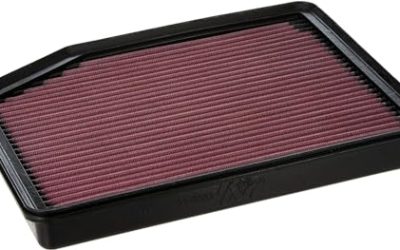
K&N 99-5000 is the filter-side kit in this group, built to clean and re-oil a reusable oiled cotton air filter rather than spray the intake valves. The box holds a 12-ounce spray bottle of Power Kleen cleaner and a 6.5-ounce aerosol can of filter oil, and the four-step process is designed to dissolve dirt and old filter oil, rinse it away and restore airflow. The listing warns that Power Kleen should not be used on dry, synthetic filters, so it is strictly for oiled cotton media. It suits an owner who already runs a K&N filter and wants to service it at home. It suits home filter servicing.
Specs
- Brand: K&N
- Part number: 99-5000
- Includes: 12 oz Power Kleen cleaner spray bottle, 6.5 oz aerosol filter oil
- Four-step air filter maintenance system
- Cleans any K&N oiled cotton air filter
- Power Kleen should not be used on dry, synthetic filters
Best for: Owners of oiled cotton air filters who want to clean and re-oil at home.
Watch out for: The kit only fits oiled cotton filters, so do not use it on a dry synthetic filter, and let the filter dry fully before re-oiling.
Which One Fits Your Situation
Rough idle on a GDI engine
Choose the CRC GDI IVD when your direct-injection engine idles rough or hesitates and you want a treatment aimed at the intake valves. The concentrated PEA formula is delivered through the air intake, and the maker states it can remove close to half of intake-valve deposits in one hour. Check that you have the application tool the instructions require before you start. Order the tool with the spray so both arrive together.
Carbon in hard-to-reach passages
Choose the Gumout 540028 when deposits sit deep inside the intake manifold and valves, where a thin spray runs off too fast. The dense foam expands and clings to the surfaces, giving the cleaner more contact time, and the precision straw aims it through the throttle body. It suits turbocharged and GDI engines with stubborn buildup. The foam works best when the engine is warm, so follow the product instructions on temperature and idle speed.
A dirty reusable air filter
Choose the K&N 99-5000 when your oiled cotton air filter is clogged and airflow has dropped. The Power Kleen degreaser dissolves dirt and old oil, the rinse clears it away, and the aerosol oil restores the filter. It is the only kit here that services the filter itself rather than the valves. The filter must dry fully before oiling, so plan the job when the car can sit unused for a few hours.
A full intake refresh in stages
Choose the CRC or Gumout spray for the valves first, then service the filter with the K&N kit as a separate step. The two jobs target different parts of the intake path, and doing both gives the engine clean valves and a clean filter. Keep the applications separate and follow each product instructions in order. Do the valve spray first and service the filter only after the spray step is done.
Common Mistakes
- Buying a valve spray when the real problem is a clogged air filter, or buying a filter kit when the valves are the problem.
- Applying an intake cleaner without the pressurized tool the instructions require, then blaming the product for a weak result.
- Using K&N Power Kleen on a dry synthetic filter it is not made for, which can damage the media.
- Spraying cleaner without following the product instructions and the vehicle service guidance for your exact engine.
- Expecting one treatment to fix a mechanical fault such as a worn valve, a failed sensor or a vacuum leak.
Frequently Asked Questions
What is the difference between an intake spray and a fuel additive?
An intake spray is applied through the air intake system, so it reaches the backs of the intake valves directly, which matters on GDI engines where fuel never washes the valves. A fuel additive travels with the fuel from the tank, so it cannot reach those valve backs. Choose the spray when the target is intake-valve deposits.
Can I use these cleaners on a turbocharged engine?
Yes, both CRC GDI IVD and Gumout 540028 are listed for turbo systems, and Gumout is described as safe for turbocharged and GDI engines. Follow the product instructions and your vehicle maker guidance, since application through the intake must match the engine design. The K&N kit is separate and only concerns the air filter. Check the turbo line first.
How often should I clean the intake valves?
It depends on the engine, the fuel and the driving pattern, since short trips and low-quality fuel build deposits faster. Follow your vehicle maker service guidance and the product instructions rather than a fixed schedule. Rough idle, hesitation and lost power are common signs that cleaning is due. Short trips build deposits faster than long highway drives.
Does the K&N kit work on any air filter?
No, the K&N 99-5000 kit is made for oiled cotton air filters, and the listing warns that Power Kleen should not be used on dry, synthetic filters. Check your filter type before ordering, and let the filter dry fully after cleaning before applying the aerosol oil. Wait until the filter feels dry throughout before oiling.



Write Your Review
No reviews yet. Be the first to share your experience!