
Vent-Based Home Fragrance Systems: A Practical Buyer’s Guide

Keeping a house smelling good around the clock is trickier than it sounds. Sprays fade within minutes, candles need constant supervision, and plug-in units hog your outlets. A home air vent freshener takes a different route entirely: it rides on the air your furnace or AC is already moving, spreading scent through every room without you lifting a finger after installation.
As an Amazon Associate we earn from qualifying purchases at no extra cost to you.



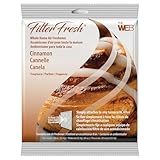


🛒 Best Price Today on Amazon
Prime members get fast, free shipping on everything above, plus member-only deals. New members get a 30-day free trial — cancel anytime.
Why Scenting Through Your Ductwork Actually Works
The logic behind register-mounted fresheners is simple physics, not marketing gimmick. Your HVAC system already pushes air through every room in the house dozens of times a day. Attach a scent source to that airflow, and the fragrance gets pulled along for the ride — reaching bedrooms, hallways, and living areas in roughly equal measure, rather than clustering around a single candle on a shelf.
Whole-House Coverage Without Dead Zones
Because the blower cycles air continuously, fragrance molecules don’t just sit in one spot getting stale. They travel with the moving air stream, so a scent introduced at the furnace or a single register can reach far-off rooms that a candle or spray bottle would never touch. You end up with a faint, even presence throughout the home instead of one overpowering room and several that smell like nothing at all.
There’s an efficiency angle too. You’re essentially borrowing a piece of equipment you already own and pay to run — no separate fan, no extra outlet, no additional appliance humming in the corner. The furnace or air handler was going to move air regardless; the freshener just hitches a ride.
Nothing to See, Nothing Cluttering Your Counters
Because these inserts live inside the register itself, they disappear from view almost entirely. Compare that to a countertop diffuser or a chunky candle jar competing for space with your decor — vent fresheners clip onto slats that are already tucked into the floor, wall, or ceiling.
Visitors pick up on the pleasant smell the moment they step inside, but they won’t spot the source. That’s a real win if you’d rather your shelves stay dedicated to books and photos instead of air-care gadgets. The room still looks like your room; it just happens to smell better.
A Genuinely Cheap Habit to Maintain
There’s also a budget case to be made. Electric diffusers draw power around the clock, however small the draw might be, and that adds up over a year of continuous use. A register clip or gel insert needs zero electricity — it just sits there, doing its job whenever the system blows air past it.
Each insert typically lasts several weeks, and multi-packs are inexpensive enough that stocking up doesn’t strain a household budget. For the cost of one fancy candle, you can often cover several months of vent freshener replacements.
Sorting Through the Main Types on the Market
Not all vent fresheners work the same way. The category spans everything from basic scented gel to essential-oil pads to carbon-based air-cleaning inserts, and the right pick really does depend on your room sizes and how strong you want the aroma to be. Here’s a quick side-by-side look at how the three common formats stack up:
| Freshener Type | Longevity | Scent Intensity | Best Suited For |
|---|---|---|---|
| Gel Inserts | 3 to 4 Weeks | Moderate | Small Bedrooms |
| Essential Oils | 2 to 3 Weeks | Strong | Living Rooms |
| Charcoal Filters | 6 to 8 Weeks | Mild | Pet Owners |
Gel Clips: The Set-and-Forget Option
Gel-based clips are the go-to choice for anyone who wants zero fuss. A small plastic housing holds a thick scented gel that releases fragrance gradually as it slowly dries out. The clip snaps directly onto the register’s metal slats without blocking the airflow passing through.
As warm or cool air moves across the gel’s surface, it lifts the scent particles and carries them into the room. There’s no refilling, no adjusting — once the gel has fully evaporated, you pull the spent unit off and click a replacement into its place. It’s about as low-maintenance as home fragrance gets.
Essential Oil Pads: Built for Customization
If you like having control over exactly what your house smells like, oil-based inserts are the more flexible pick. Instead of a sealed gel block, these use an absorbent pad that you saturate with essential oils or a fragrance blend of your choosing. Add more drops for a stronger throw, fewer for something subtler.
This format suits people drawn to botanical notes — lavender, eucalyptus, sweet orange, and similar natural scents are common choices. Because you supply the oil yourself, switching from one fragrance to another costs nothing extra; there’s no need to toss the whole unit and buy a new one just to change the mood of a room.
Carbon and Charcoal Inserts: Cleaning Plus Scenting
Households dealing with cooking smells, litter boxes, or general pet odor often do better with a carbon-filter style insert. These work in two stages: a dense carbon layer captures airborne odor particles first, and only afterward does the unit release a light, clean scent as air exits the vent.
The advantage here is that you’re not just layering perfume over a smell that’s still there — you’re removing a good portion of the odor before adding fragrance on top. For anyone who wants their home to feel actually clean rather than just cleverly disguised, this dual-action format tends to deliver the most convincing result.
What to Check Before You Buy One
A little homework before purchasing saves you from a freshener that rattles loose, falls into the ductwork, or simply doesn’t suit your household. Not every insert fits every register, and not every fragrance style suits every home. A few quick checks up front go a long way.
Measure Your Registers First
Floor, wall, and ceiling registers don’t all share the same dimensions, and a clip sized for a floor vent may not stay put on a ceiling register. Grab a tape measure before you order anything — it’s a two-minute step that prevents the annoyance of a unit that won’t sit flush or keeps working itself loose.
Slat spacing matters just as much as overall size. Decorative covers with wider gaps between slats sometimes need an adhesive-backed mount rather than a standard clip. Matching the mounting style to your actual register keeps the insert secure even when the blower is running at full speed.
Match the Freshener to Your Heating and Cooling Setup
The type of system pushing air through your home changes how a vent freshener performs. Furnace heat tends to be warmer and dries out gel-based scents faster than you might expect, while air conditioning’s cooler airflow can mute the fragrance throw somewhat.
A seasonal swap tends to work best: lighter oil-based inserts during the summer, when the AC runs often and you want something subtle, and sturdier gel or wax formats in winter, when dry furnace heat calls for something with more staying power.
Consider Who’s Breathing the Air
Fragrance sensitivity deserves real attention, particularly in households with kids, pets, or anyone prone to allergies or asthma. Synthetic fragrances can occasionally trigger mild reactions, so it’s worth starting on the lighter end of the intensity scale and watching how everyone responds over the first few days.
For sensitive households, products built from pure, therapeutic-grade essential oils are usually the safer route. They deliver a comparable aromatic benefit without the harsher synthetic solvents found in some bargain sprays and clips — a small trade-off in cost for a meaningful gain in comfort.
Getting the Installation and Upkeep Right
A rushed installation can throw off your airflow, cause rattling, or even put a stray insert somewhere inside your ductwork it was never meant to go. None of that takes much effort to avoid — a few careful steps up front make the whole system safer and more effective.
Power Down and Clean Before You Mount Anything
Switch the HVAC system off completely before touching a register. Trying to install a clip while air is actively blowing risks launching the insert straight down into the duct, and fishing a fragrance clip out of your ductwork afterward is neither quick nor cheap.
With the system off, pop the register cover free and wipe it down with a damp microfiber cloth. Dust and pet hair buildup can keep an adhesive or clip from gripping properly, and a clean, dry surface gives your new insert the best possible hold once you put it back in place.
Placement Affects More Than Just Scent
Where you mount the freshener on the register matters almost as much as which type you choose. Center it over the main opening and you risk choking off airflow; push it to the outer edge of the slats instead, and air keeps moving freely while still carrying scent along with it.
Blocking too much of the register can strain your blower motor and lead to uneven heating or cooling in the room, which quietly nudges your energy bill upward. Edge placement sidesteps that problem entirely — full airflow, full fragrance, no compromise.
Build a Simple Replacement Routine
Every insert eventually dries out and stops doing its job, so a bit of routine upkeep keeps the scent consistent. A monthly phone reminder is usually enough to prompt a quick check and, when needed, a fresh swap.
Keep in mind that heavy HVAC use during extreme summer or winter weather can burn through an insert faster than normal, so don’t be surprised if you’re replacing units a little ahead of schedule during those months. Stashing a spare pack in a closet means you’re never caught without one right when you need it.
Bringing It All Together
A well-chosen home air vent freshener is a low-effort way to make an entire house smell noticeably better, without adding clutter, extra appliances, or ongoing cost. Match the format to your rooms, your HVAC system, and your household’s sensitivities, install it with a little care, and keep a replacement schedule going — and the payoff is a home that smells consistently good with almost no ongoing effort.
Frequently Asked Questions
What types of home air vent fresheners are available?
The main formats are clip-on cartridges that snap to register louvers, magnetic scent pads that sit on metal registers, cotton scent sticks placed in the vent slats, and reusable clips you refresh with a few drops of essential oil. Choose adjustable designs so you can dial intensity down rather than living with an overwhelming room.
Which room should I put them in first?
Start with high-traffic and odor-prone rooms such as the entryway, living room, laundry area and any room with pets. Avoid bedrooms of small children and anyone with asthma. One or two vents per floor is usually plenty, because forced-air systems distribute fragrance far more effectively than a standalone plug-in does.
How often do the refills need replacing?
Expect roughly 30 days from a standard cartridge in a home where the blower runs daily, or 45 to 60 days with intermittent use. Essential-oil pads need topping up every one to two weeks. Replace immediately if the scent turns sour or the pad discolors, which indicates the carrier oil has oxidized.
Do vent fresheners affect indoor humidity or air quality?
They do not change humidity, which should stay between 30 and 50 percent for comfort and mold prevention. They do add volatile organic compounds to the air. If air quality is the real concern, a MERV 11 to 13 filter, a carbon media cabinet or an air purifier will do far more than fragrance.
Is there a fragrance-free way to keep vents smelling clean?
Absolutely. Vacuum the register grilles and the first foot of duct, replace the furnace filter on schedule, keep the condensate drain clear, and run bath and kitchen exhaust fans. Persistent musty smells from ducts point to moisture or microbial growth and warrant a professional HVAC inspection rather than heavier fragrance.










Write Your Review
No reviews yet. Be the first to share your experience!