
- Top Pick: Ash Harbor Luxury Hotel Whole Home Air Freshener System – Whole House Air Freshener for HVAC Filter – Scented Filters for Home – HVAC Duct Odor Eliminator – Filter Fresh 6 Pack
- Best Value: WEB FilterFresh Whole Home Country Berry Air Freshener
- Premium Choice: White Vent Scent Whole Home Air Freshener, Custom Scent of Your Choosing
Home Vent Air Freshener Setup: A Placement-First Guide to Scenting Every Room
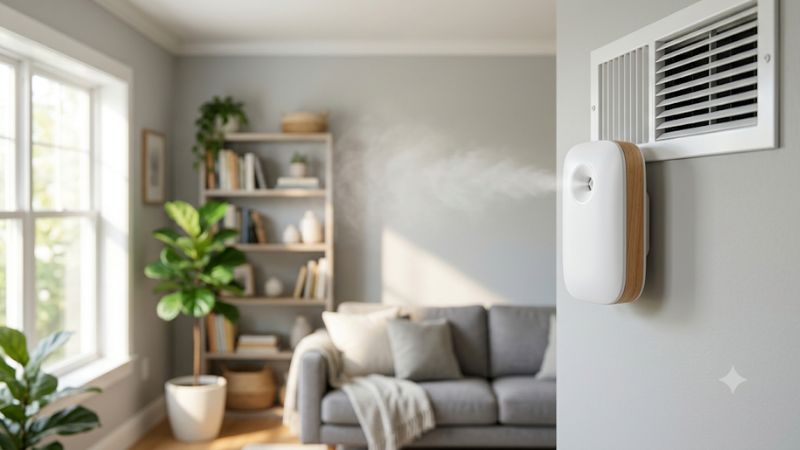
A home vent air freshener turns your existing ductwork into a built-in scent delivery system, pushing fragrance through the same channels that already move warm and cool air into every room. The tricky part isn’t picking a fragrance — it’s getting the mounting style and vent placement right so the scent actually reaches where you want it, instead of fading out three feet from the register.
As an Amazon Associate we earn from qualifying purchases at no extra cost to you.


Below, we break down where these products go, how the major styles differ once installed, and the upkeep habits that keep a duct-based freshener performing past its first week.
🛒 Best Price Today on Amazon
Prime members get fast, free shipping on everything above, plus member-only deals. New members get a 30-day free trial — cancel anytime.
Start With the Vent, Not the Scent
Before comparing fragrance notes, figure out which vents in your house actually move enough air to carry a scent. A return vent pulls air in rather than pushing it out, so a freshener mounted there behaves very differently than one clipped onto a supply register blowing air into a room. Getting this distinction backwards is the single biggest reason people say their vent freshener “doesn’t work.”
Supply Registers vs. Return Vents
Supply registers push conditioned air directly into a room, which makes them the go-to spot for clip-style fresheners that need airflow passing over them to release scent. Return vents do the opposite — they draw household air back toward the furnace or air handler — which is exactly why filter-backed scent pads are placed there instead: the whole-house air stream passes through on its way to the system, picking up fragrance before it’s redistributed everywhere.
Matching Placement to Room Size
A single clip-on device on one register will scent that room and maybe the hallway just outside it — it won’t carry to the far end of the house. For open floor plans or larger homes, placing a product at the return vent or directly in the main duct trunk spreads fragrance system-wide in one pass, since it’s treated by the blower before being pushed back out to every connected room.
Vent-Clip Fresheners: The Fastest Way to Scent One Room
Clip-on units are the entry point most people try first, and for good reason: they attach to the outer slats of a register in seconds, need no tools, and can be swapped or repositioned on a whim.
- Visible and easy to track — because the clip sits on the exterior of the vent, you can glance at it to judge how much scent remains, rather than guessing.
- Room-specific by design — expect coverage limited to the room the register serves, not the whole house.
- Typical service life — roughly 30 days per unit before the fragrance noticeably weakens.
- Style options — many come in finishes designed to blend with register covers rather than stand out.
Because the tradeoff is coverage for convenience, vent clips work best in a bedroom, home office, or bathroom where you want a contained scent rather than a house-wide one.
Getting Clip Placement Right
Angle the clip so it sits in the direct path of airflow leaving the register slats — mounted off to the side, even a good product underperforms because less air actually passes across the scented element. On registers with adjustable louvers, opening them fully while the freshener is attached maximizes contact between moving air and the fragrance source.
Whole-Duct Options: Gel Inserts and Filter Pads
When one room isn’t the goal and the whole house is, the hardware moves from the visible register to somewhere inside the system.
In-Duct Gel Inserts
Gel-based inserts are placed inside the main duct trunk itself, completely out of view. Because they sit shielded from sunlight and household dust — two things that degrade fragrance oils faster — they tend to outlast clip-on products, and because they sit in the main trunk rather than a single branch, the scent they release travels to every connected room at once instead of just one.
Behind-the-Filter Scent Pads
Filter pads take a different route: a thin scented pad hooks or sticks onto the HVAC system’s main air filter. Every time the blower draws air through that filter — which is constantly, whenever the system runs — it picks up fragrance and carries it to every register in the home. Typical lifespan runs around 45 days, longer than clip-on units, though the scent profile tends to stay subtler rather than strong.
The appeal here is invisibility: nobody sees a scent product because it’s hidden behind the filter grille, yet the coverage rivals or beats a whole-house diffuser.
Quick Comparison
- Clip-on (register-mounted): about 30 days, medium strength, one room per unit
- Filter pad (return vent): about 45 days, subtler strength, whole-house coverage
- Gel insert (main trunk): about 30 days, strongest output, whole-house coverage
Keeping a Vent Freshener Working Longer
Installation is only half the equation — a poorly maintained duct system will choke even the best-placed freshener within days.
Clean the Register Before You Install Anything
Dust and grime build up on register slats over months, and that grime doesn’t just look bad — it physically blocks airflow and absorbs fragrance oil before it ever reaches the room. Wipe registers down with a damp microfiber cloth before clipping on a new product, and repeat monthly. Clean slats mean the scent you smell is the fragrance itself, not fragrance mixed with dust and mildew.
Run the Fan Continuously, Not on Auto
Thermostats set to “auto” only circulate air while the system is actively heating or cooling, which means scent distribution stops and starts unpredictably. Switching the fan setting to “on” keeps air — and fragrance — moving continuously, which matters most in mild spring and fall weather when the heating or cooling cycle barely runs at all.
Swap HVAC Filters on Schedule
A clogged filter forces the blower to work harder and restricts overall airflow, and less airflow means less scent reaching the vents no matter how strong the product is. Replacing the main filter roughly every 90 days keeps the whole system — fragrance included — moving as designed.
Choosing Formulas That Are Safe for the Whole House
Because these products sit directly in the air you breathe throughout the day, ingredient quality matters more here than with a spray freshener used briefly in one spot.
Look for Essential Oils Over Synthetic Perfume
Plant-derived oils tend to produce a cleaner, more authentic scent than synthetic fragrance blends, and many people find them less likely to trigger allergy symptoms or throat irritation. Some essential oils are also associated with secondary benefits, like feeling more focused or relaxed, beyond simply masking odors.
Check for Phthalates and Other Additives
Budget scent products often rely on chemicals like phthalates or formaldehyde to make fragrance last longer, but these compounds can build up in enclosed indoor air over time. Look for brands that explicitly market themselves as free of these additives, particularly in a household with young children or pets who spend most of the day breathing indoor air.
Consider the Packaging, Not Just the Scent
A growing number of brands now emphasize cruelty-free testing and biodegradable pads or housings. Beyond the ethical angle, biodegradable components mean less plastic waste every 30 to 45 days when you swap out a spent unit — which adds up over a year of regular replacements.
Bringing It All Together
The right home vent air freshener setup comes down to matching the mounting style to the coverage you actually want: a clip-on register unit for a single room, or a gel insert or filter pad for whole-house scent. Clean registers, a filter changed on schedule, and a fan set to run continuously all matter as much as the product itself — a great freshener in a dirty duct system will always underperform a modest one in a well-maintained one.
Frequently Asked Questions
Can I safely clip an air freshener onto a home HVAC vent?
Only use products specifically designed for home registers, and only on supply vents, never on returns where fragrance would be drawn across the blower and coil. Avoid liquid oil products near hot air from a furnace supply, and never place anything that could fall into a floor register where a child or pet might reach it.
How long does a vent air freshener last?
Clip-in fragrance cartridges typically last about 30 days, but that assumes the system runs several hours daily. In shoulder seasons when the blower barely cycles, the same cartridge can stretch two months. Constant-fan operation depletes them much faster. Adjustable sliders let you throttle output and roughly double the useful life.
Will it reduce actual odors or just mask them?
Almost all vent fresheners are fragrance-only and mask rather than remove odor. To genuinely reduce household smells, replace the furnace filter, add an activated-carbon media filter, clean the ducts if there is documented contamination, and address moisture sources. Fragrance layered over a mildew or pet odor usually smells worse than either alone.
Are plug-in and vent fresheners safe for asthma or pets?
Fragrance products emit volatile organic compounds, and some formulations contain phthalates or terpenes that can react with indoor ozone. People with asthma, infants and birds in particular can be sensitive. Ventilate well, use the lowest setting, discontinue at any sign of irritation, and speak with a physician or veterinarian about persistent symptoms.
Could a vent freshener affect my HVAC system or filter life?
A properly designed clip attached to a supply register has negligible effect on airflow or static pressure. Problems arise when people place gel packs or solid blocks inside return grilles or duct openings, where residue can coat the filter, blower wheel and evaporator coil. Keep all fragrance products downstream of the equipment.










Write Your Review
No reviews yet. Be the first to share your experience!