
Air intake cleaner kits can restore your engine’s lost power and efficiency. Is your vehicle struggling with rough idling or poor acceleration? This step-by-step guide helps you solve these frustrating issues easily. You will learn how to clean your system safely without visiting a local mechanic. Get ready to save cash and boost performance today!
🛒 Best Price Today on Amazon
Prime members get fast, free shipping on everything above, plus member-only deals. New members get a 30-day free trial — cancel anytime.
Understanding the Role of an Air Intake Cleaner
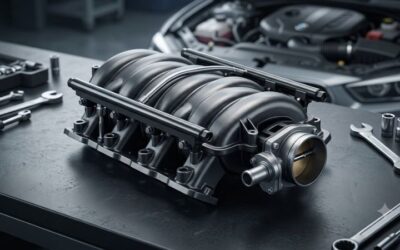
Every vehicle needs a constant flow of clean air to mix with fuel for combustion. Over time, dirt, oil vapor, and carbon deposits build up inside the intake tract, throttle body, and valves. This build-up chokes your engine, forcing it to work harder and consume more gasoline. An air intake cleaner is a specially formulated solvent designed to dissolve these tough deposits safely without requiring you to tear your entire engine apart.
Why You Need to Clean Your Engine Air Intake System
Over miles of driving, your engine recirculates exhaust gases and crankcase vapors to minimize emissions. While this process is excellent for the environment, it leaves sticky residues throughout your vehicle’s intake tract. These residues eventually harden into carbon crusts that disrupt the delicate air-to-fuel ratio.
When the air-to-fuel ratio becomes unbalanced, your car experiences reduced performance and sluggish response times. Cleaning this system restores the smooth passage of air, ensuring immediate throttle response. Regular maintenance also prevents expensive long-term damage to major components.
By keeping this pathway clear, you allow your engine to breathe freely and perform at its absolute best. Think of it as clearing a blocked airway so that your car can run with maximum efficiency.
Signs Your Engine Demands a Deep Intake Valve Cleaning
Recognizing the early warning signs of a clogged intake system can save you from costly road breakdowns. The most common symptom is a rough or unstable idle when your car is stopped at a red light. You might notice the RPM gauge bouncing or feel excessive vibrations through your steering wheel.
Another obvious red flag is sluggish acceleration when you press down on the gas pedal. If your vehicle hesitates, stumbles, or feels weak during highway passing maneuvers, restricted airflow is often the culprit. You may also observe a sudden, unexplained drop in your overall fuel mileage.
In severe cases, carbon buildup can trigger a persistent “Check Engine” light on your dashboard. Checking your system early prevents these minor annoyances from escalating into complete engine misfires.
Pros and Cons of Using an Air Intake Cleaner DIY Kit
Performing this maintenance task yourself offers several significant advantages. The most obvious benefit is the substantial financial savings compared to dealership labor rates, which can run upwards of $150. A DIY application is also highly convenient, taking less than an hour of your weekend in your own driveway.
However, there are a few drawbacks to keep in mind if you are a beginner. Working with pressurized chemical sprays requires a steady hand, basic safety gear, and strict adherence to instructions. If you spray the solvent too quickly, you risk temporarily stalling the engine or causing a minor hydraulic lock.
Ultimately, the pros heavily outweigh the cons for most vehicle owners. With a bit of patience and the right products, you can easily achieve professional results at home.
Essential Equipment and Air Intake Cleaner Supplies
Before you begin this maintenance project, you must gather the correct tools and products. Having everything organized within arm’s reach ensures a smooth, stress-free workflow under the hood. Using the wrong tools or low-quality solvents can damage sensitive electronic sensors, so preparation is critical. Let us review the essential items you will need to complete this job safely and efficiently.
Selecting the Best Air Intake Cleaner Spray
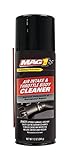
Choosing the correct chemical formula is the most critical decision of this entire project. You must select a product specifically labeled for air intakes and throttle bodies, as standard carb cleaners are often too harsh for modern systems. Look for formulations that are explicitly safe for oxygen sensors and catalytic converters.
High-quality sprays feature specialized lubricating agents that protect internal moving components during the cleaning process. They also dissolve carbon crusts quickly without leaving behind any harmful oily residues. Choosing a premium brand ensures that the chemical composition will not degrade your plastic components.
To guarantee you get the best formula for your specific vehicle model, we highly recommend checking out highly-rated options on Amazon like [Insert Amazon Cleaner Spray Product Name here], which delivers professional strength without damaging delicate engine components.
Important Protective Gear for Working with Automotive Sprays
Safety should always remain your top priority when handling pressurized chemical solvents. Air intake cleaners contain strong chemical compounds that can easily irritate your skin, lungs, and eyes. Never attempt this project without wearing proper protective eyewear, such as sealed safety goggles.
You should also wear chemical-resistant gloves to protect your hands from absorbing the solvent. Nitrile gloves are an excellent choice because they offer great dexterity and do not dissolve when exposed to harsh chemicals. Always perform the cleaning process in a well-ventilated outdoor space to avoid inhaling concentrated fumes.
If you do not have these protective items in your garage, you can find affordable safety gear bundles like [Insert Amazon Safety Gear Product Name here] to keep yourself completely protected during your DIY projects.
Basic Hand Tools Required for Air Intake Access
In addition to chemicals and safety gear, you will need a few standard hand tools to access your intake. A flathead screwdriver or a small socket set is usually required to loosen the metal hose clamps securing the air duct. You will also need a bright flashlight to inspect the interior of the dark throttle body.
A soft-bristle brush, such as an old toothbrush, is incredibly helpful for scrubbing away stubborn carbon deposits. Make sure the bristles are nylon, as metal brushes can easily scratch the delicate aluminum housing of the throttle plate. Finally, keep several clean microfiber towels nearby to wipe away dissolved dirt and excess liquid.
To avoid scratching delicate engine surfaces, you should choose professional-grade microfiber cloths like [Insert Amazon Microfiber Towels Product Name here] to wipe up any chemical runoff safely.
How to Safely Apply an Air Intake Cleaner to Your Vehicle
With your tools ready and your safety gear on, you are now prepared to clean the intake. This process is straightforward, but it requires careful attention to detail. Make sure your vehicle is parked on a flat surface, the emergency brake is engaged, and the engine is completely turned off before you open the hood. Follow these step-by-step instructions carefully to ensure a successful cleaning session.
A Step-by-Step Guide to Cleaning Your Throttle Body
- Locate the Throttle Body: Open your car hood and trace the large plastic intake duct from the air filter box to the engine. The point where this duct connects to the metal engine block is the throttle body.
- Disconnect the Intake Duct: Use your screwdriver or socket wrench to loosen the metal hose clamp holding the plastic boot in place. Carefully pull the duct away to expose the round metal throttle plate inside the housing.
- Place a Protective Towel: Place a clean microfiber towel directly underneath the throttle body opening. This towel will catch any excess chemical runoff and prevent it from dripping onto hot engine components.
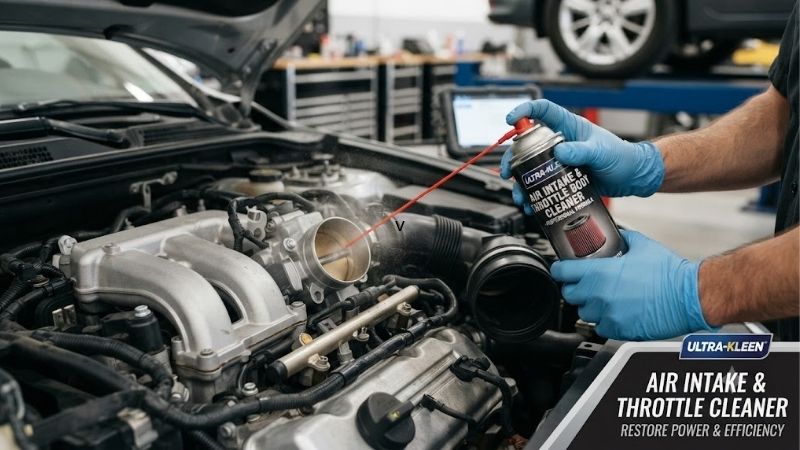
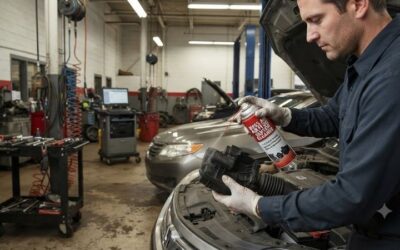
- Spray the Solvent: Shake your aerosol can thoroughly. Hold the straw tip about 4 inches away from the throttle body and spray the metal plate in short, controlled bursts to dissolve the carbon.
- Scrub Stubborn Areas: Use your soft nylon brush to gently scrub the edges of the throttle plate where carbon builds up heaviest. Avoid forcing the plate open manually on electronic throttle systems to prevent damaging the internal gears.
- Wipe the Interior Clean: Use a clean, lint-free microfiber cloth to wipe away the dissolved black carbon and excess solvent from inside the metal barrel. Ensure the entire area is completely dry before moving to the next step.
- Reassemble the Ductwork: Slide the rubber intake duct back onto the throttle body housing. Tighten the metal hose clamp securely to prevent any unmetered air leaks, which can cause poor engine performance.
- Start and Run the Engine: Turn the key to start your vehicle. The engine might crank slightly longer than usual or idle rough for a few seconds as it burns off the remaining chemical vapors, which is completely normal.
Expert Pro Tips and Mistakes to Avoid with Cleaners
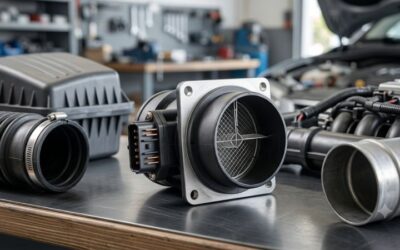
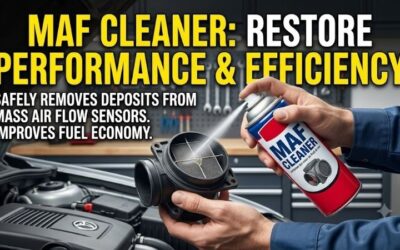
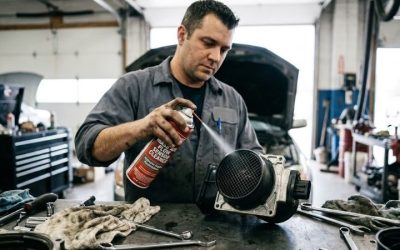
One of the most common mistakes beginners make is spraying the solvent directly onto the Mass Air Flow (MAF) sensor. The MAF sensor is highly sensitive, and spraying it with standard intake cleaner will destroy its delicate hot-wire element instantly. Always disconnect the duct downstream of the MAF sensor before applying any chemical spray.
Another excellent tip is to perform this maintenance while the engine is slightly warm but not hot. A warm engine environment helps the chemical solvent break down tough carbon bonds much faster than cold metal. However, avoid spraying chemicals onto a scorching hot exhaust manifold to eliminate any risk of accidental fire.
If your car has an electronic throttle body, never manually force the butterfly valve open with your fingers. Doing so can strip the delicate plastic gears inside the electronic actuator motor. Instead, have a friend gently press down on the gas pedal with the ignition key turned to the “On” position to open the valve safely.
Conclusion: Maintain Your Engine with an Air Intake Cleaner
Regularly using an air intake cleaner is one of the most cost-effective ways to maintain your vehicle’s long-term health and performance. By taking less than an hour of your time to clear away restrictive carbon deposits, you will enjoy smoother acceleration, improved fuel economy, and a rock-solid idle. Do not wait for your vehicle to start stalling or trigger a warning light on the dashboard before taking action. Preventive maintenance is always much cheaper and easier than emergency roadside repairs. Grab a high-quality air intake cleaner kit today, follow this simple guide, and give your engine the fresh breath of clean air it deserves.
Top-Rated Picks
As an Amazon Associate we earn from qualifying purchases at no extra cost to you.




| Product | Brand | Rating | Reviews | Price |
|---|---|---|---|---|
| Filtrete 14x30x1 Air Filter MERV 5, 6-Pack AC Furnace… | — | ★ 4.7 | 160.2k | under $30 |
| Filtrete 20x20x1 Air Filter MERV 5, 6-Pack AC Furnace… | — | ★ 4.7 | 160.1k | under $40 |
| Filtrete 16x25x1 Air Filter MERV 5, 6-Pack AC Furnace… | — | ★ 4.7 | 160.1k | under $30 |
| Filtrete 16x20x1 Air Filter MERV 5, 6-Pack AC Furnace… | — | ★ 4.7 | 159.6k | under $40 |
| Filterbuy 16x30x1 Air Filter MERV 8 Essential Dust & … | Filterbuy | ★ 4.7 | 158k | under $50 |
Frequently Asked Questions
What parts does an intake cleaner actually clean?
Aerosol intake cleaners target the throttle body bore and plate, the idle air control passage, the plenum walls, and on direct-injection engines the back of the intake valves. They do not clean the combustion chamber crown or the injector tips, which need a fuel-side additive or a dedicated induction service instead.
How often should I clean the intake?
Throttle bodies typically need attention every 30,000 to 50,000 miles, sooner if you notice a hanging idle or a dirty PCV system. Direct-injection intake valves accumulate significant carbon by 40,000 to 60,000 miles, and stubborn deposits at that point usually need walnut blasting rather than any spray, which is a shop-level service.
Is it safe to spray while the engine is running?
Only if the product specifically instructs it, and only outdoors with good ventilation and no ignition sources nearby. The spray is flammable and the exhaust contains carbon monoxide, so never do this in a closed garage. Keep hands, sleeves, and the hose clear of the belt and fan, and wear eye protection throughout.
Will cleaning the intake improve fuel economy?
If deposits were genuinely restricting airflow you may recover a few percent along with smoother idle and crisper throttle response, but on a reasonably clean engine the measurable gain is close to zero. Treat it as maintenance that prevents drivability problems rather than a modification that adds power or mileage.
Do I need to reset anything afterward?
Many drive-by-wire vehicles store a throttle position adaptation, so after cleaning the plate the idle may hunt for a few minutes or set a code. Follow the manufacturer relearn procedure, which often means key on for a set time or a short idle period, and clear any stored codes with a scan tool once you finish.

Write Your Review
No reviews yet. Be the first to share your experience!