
As an Amazon Associate we earn from qualifying purchases at no extra cost to you. Product prices and availability are accurate as of the date shown and are subject to change.
- Recommended Products
- Understanding Activated Carbon Technology in Air Purification
- Top 3 Activated Carbon Filter Air Purifier Models on Amazon
- Technical Performance: Carbon Pellets vs. Carbon-Coated Fabric
- Strategic Maintenance and Operational Life Cycles
- Pros and Cons of Carbon-Based Purification
- Conclusion
- Frequently Asked Questions
- Related Articles
- Related Guides


🛒 Best Price Today on Amazon
Prime members get fast, free shipping on everything above, plus member-only deals. New members get a 30-day free trial — cancel anytime.
Recommended Products

MOOKA Air Purifiers for Home Room up to 1076ft², True HEPA Filter, B-D02L

Air Purifiers for Home Bedroom Large Room Up to 1092 Ft² 1Hr AHAM Verified
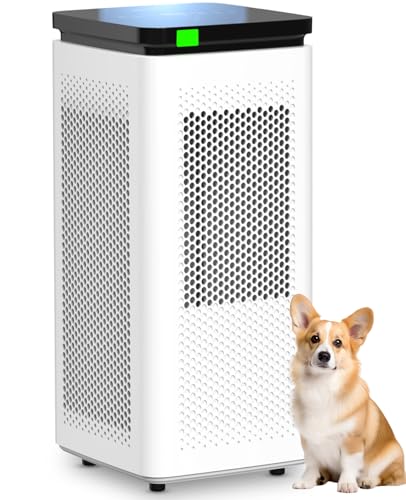
Hepa Air Purifiers for Home up to 3500 Ft², 235 CADR, 30dB Quiet Operation
As an Amazon Associate we earn from qualifying purchases. Product prices and availability are accurate as of the date/time indicated.
Activated carbon filter air purifier is one of the most effective solutions for removing odors, pet smells, and harmful chemical vapors from indoor environments. It uses a dense layer of activated carbon to absorb gases and volatile organic compounds that standard filters cannot trap.
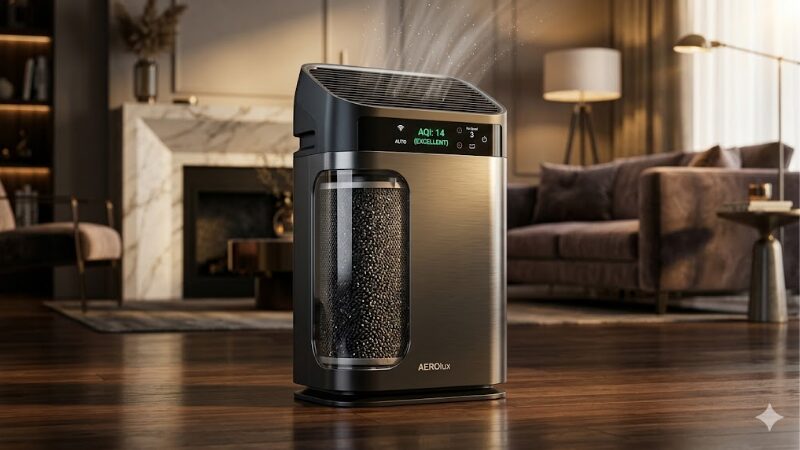
Understanding Activated Carbon Technology in Air Purification
Indoor air pollution isn’t just dust—it also includes invisible gases and chemicals that pass through normal filters. Activated carbon solves this by using a highly porous structure to trap these molecules. It’s made by heating carbon-rich materials and activating them to create an enormous internal surface area, allowing it to adsorb pollutants effectively.
The Phenomenon of Adsorption
To understand why an activated carbon filter air purifier is so effective, it is critical to distinguish between absorption and adsorption.
- Absorption is a fluid process where a substance is physically integrated into the bulk volume of a liquid or solid, similar to a kitchen sponge absorbing water.
- Adsorption is a surface-specific phenomenon. When airborne gas molecules, chemical fumes, or odor compounds collide with the activated carbon surface, they are drawn into the sub-microscopic pore networks. Once inside, they are held securely by intermolecular attraction forces known as van der Waals forces.
The gas molecules physically stick to the walls of the carbon pores, effectively transitioning from a free-floating gas to a trapped solid state.
The Mechanical Limitations of HEPA Filters
A common misconception among homeowners is that a high-efficiency particulate air (HEPA) filter can clear all types of indoor air pollution. While a True HEPA filter is exceptionally efficient at trapping airborne solids like mold spores, dust mites, and fine particulates through impaction and diffusion, its structural fibers are entirely useless against gases.
Gaseous pollutants, such as formaldehyde, benzene, tobacco smoke, and volatile organic compounds (VOCs), exist as individual molecules or ultra-fine atomic clusters. These chemical molecules are thousands of times smaller than the microscopic gaps between HEPA filter fibers, allowing them to pass through completely unimpeded. Therefore, a multi-stage purification system that pairs a mechanical HEPA barrier with a dense activated carbon bed is mandatory to achieve comprehensive environmental safety.
Top 3 Activated Carbon Filter Air Purifier Models on Amazon
Navigating the marketplace for a dedicated gas-phase air cleaner requires analyzing actual chemical media weights and motor configurations. To help you find the most efficient system for your space, we have reviewed the top three best-performing models available on Amazon that prioritize heavy-duty activated carbon performance.
Austin Air HealthMate Standard B400
The Austin Air HealthMate Standard B400 represents a gold standard in heavy-duty, industrial-grade gas and odor filtration for residential spaces. While many contemporary air purifiers focus heavily on sleek plastic aesthetics and Bluetooth applications, Austin Air prioritizes massive physical filter volumes and rugged reliability.
- Massive Carbon Blended Bed: The defining feature of the HealthMate B400 is its massive 15-pound solid-state filter drum. This filtration core is packed with high-grade granular activated carbon blended with natural zeolite. The addition of zeolite enhances the machine’s capacity to adsorb specific low-molecular-weight gases like ammonia and sulfur dioxide, making it a premier choice for severe chemical sensitivities and wildfire smoke mitigation.
- All-Metal Structural Housing: Built with a heavy-gauge, cold-rolled steel housing finished with a non-off-gassing powder coat, the B400 is engineered to last for decades. The solid metal chassis prevents internal motor vibrations from creating disruptive noise while ensuring zero plastic chemicals leach into your freshly cleaned air stream.
- 360-Degree Intake System: The progressive intake architecture draws polluted air from all four sides of the machine simultaneously. This uniform airflow maximizes contact with the deep carbon bed, ensuring high single-pass extraction efficiency for odors, paint fumes, and cooking gases.
Winix 5500-2 Air Cleaner
For homeowners seeking a high-value balance between aggressive pricing, efficient pet odor extraction, and everyday convenience, the Winix 5500-2 is a top-tier option on Amazon. It provides robust multi-stage filtration without requiring a luxury financial investment.
- Washable Granular AOC Carbon Filter: Unlike many budget-friendly air purifiers that utilize thin, carbon-coated foam sheets, the Winix 5500-2 features an Advanced Odor Control (AOC) filter frame packed with actual granules of activated carbon. This structural depth provides a massive surface area to trap stubborn cooking odors, pet smells, and tobacco smoke. Additionally, the filter can be washed gently to refresh its outer surfaces, extending its operational life.
- PlasmaWave Secondary Disruption: To complement the physical adsorption occurring within the carbon granules, the 5500-2 integrates a safe PlasmaWave generator. This system creates an electrical discharge that generates dual-polarity hydroxyl ions. These ions actively attack airborne chemical compounds, breaking down their molecular bonds to turn them into harmless water vapor and atmospheric molecules.
- Smart Air Quality Sensor suite: The unit includes an integrated VOC and particulate sensor that continually monitors the chemical composition of your indoor air. When you cook with oils or use aerosol sprays, the machine instantly shifts into high-speed mode to clear the gaseous plume before it spreads throughout your home.
IQAir HealthPro Plus
For individuals dealing with severe medical allergies, extreme chemical sensitivities, or newly renovated homes off-gassing construction adhesives, the Swiss-engineered IQAir HealthPro Plus offers unmatched molecular air purification.
- V5-Cell Gas and Odor Filtration: The heart of the IQAir’s odor-destruction capability is its proprietary V5-Cell filtration module. This specialized chamber contains a 5.5-pound wide-spectrum granular blend composed of coal-based activated carbon combined with pelletized chemisorption media (alumina impregnated with potassium permanganate). This dual-action design physically adsorbs standard odors while chemically oxidizing harsher toxins like formaldehyde.
- HyperHEPA Particle Separation: Positioned alongside the V5-Cell is a medical-grade HyperHEPA pre-filter and post-filter system. This combination is certified to trap ultra-fine particles down to 0.003 microns, ensuring that both dangerous chemical gases and microscopic biological particles are fully contained.
- 100% Certified Air Tightness: IQAir units are hand-tested at the factory using laser particle counters to verify zero air bypass. The internal housings feature knife-edge seals and professional gaskets, forcing 100% of the drawn air directly through the dense carbon and HEPA media.
Technical Performance: Carbon Pellets vs. Carbon-Coated Fabric
When shopping for an air cleaner, it is crucial to recognize that not all carbon filters are created equal. Manufacturers often use deceptive marketing terminology to disguise low-performing filter media. Understanding the differences between granular carbon beds and carbon-sprayed fabric sheets can protect your wallet and your indoor air.
| Performance Metric | Granular Activated Carbon Pellets | Carbon-Sprayed Foam / Fabric Sheets |
| Media Weight Profile | Ranges from 2 to 15 pounds of solid carbon | Typically less than 100 grams of carbon dust |
| Internal Surface Area | Millions of square feet of active pore networks | Minimal surface area due to thin material |
| Saturation Lifespan | Long-lasting durability (lasts 6 to 12+ months) | Saturation occurs within 2 to 6 weeks |
| Target Contaminants | Heavy VOCs, formaldehydes, toxic smoke, deep odors | Light cooking odors and basic household smells |
| Airflow Resistance | Moderate resistance requiring robust motors | Very low resistance but highly minimal extraction |
Investing in a unit that uses real carbon granules or pellets ensures long-term odor protection. Thin, carbon-coated sheets saturate quickly, transforming your machine into a basic dust catcher that can no longer neutralize odors.
Strategic Maintenance and Operational Life Cycles
Unlike standard mechanical particulate filters that become visibly dirty or reduce air velocity as they clog, activated carbon filters behave differently when they reach the end of their lifespan.
Crucial Operational Protocols:
- Monitor the Breakthrough Effect: When an activated carbon bed reaches its absolute saturation limit, it experiences a phenomenon known as chemical breakthrough. At this stage, the carbon pores can no longer hold gas molecules. The filter will stop collecting odors and can begin off-gassing trapped chemicals back into the room, often releasing a distinct sour or musty smell.
- Manage Environmental Humidity: High indoor humidity levels can quickly degrade a carbon filter’s efficiency. Water vapor molecules will compete with gas toxins for space inside the carbon pores. If your home’s relative humidity rises above 60%, the carbon media will absorb water molecules instead of VOCs, drastically shortening the filter’s useful life. Pairs your air purifier with a dehumidifier in damp areas like basements.
- Implement Safe Replacement Habits: When replacing a saturated filter, always wear a protective dust mask and gloves. Old carbon filters hold a high concentration of trapped chemical compounds and fine carbon dust. Seal the old filter immediately in a heavy-duty plastic garbage bag to prevent trapped pollutants from escaping back into your clean home.
Pros and Cons of Carbon-Based Purification
Before finalizing your choice on Amazon, consider this balanced summary of the core advantages and drawbacks of carbon filtration systems.
Pros:
- Unmatched Gas Extraction: The only reliable way to trap volatile organic compounds (VOCs), formaldehyde, paint fumes, and chemical cleaners.
- Total Odor Destruction: Chemically neutralizes stubborn odors from cooking, pets, garbage, and smoking.
- Protects Respiratory Health: Traps invisible chemical irritants that can cause headaches, dizziness, and chronic sinus inflammation.
Cons:
- No Particulate Capture: Carbon filters cannot trap dust, pollen, or pet hair on their own; they must be paired with a reliable pre-filter or HEPA filter.
- Higher Replacement Costs: Heavy granular carbon filters represent a larger ongoing investment than simple mesh screens.
Don’t miss these related articles we think you’ll enjoy:
Conclusion
Choosing a high-performance activated carbon filter air purifier is a vital investment in your health and comfort. By trapping toxic gases and stubborn odors, these units guarantee fresh, clean air. Check out Amazon today to find the best seasonal deals and elevate your home’s environmental safety immediately!
Frequently Asked Questions
What forms does activated carbon come in and which is best?
You will see carbon-impregnated fabric, honeycomb carbon panels, and granular or pelletized carbon beds. Fabric holds only grams and saturates fastest. Honeycomb offers low airflow resistance with moderate capacity. Bulk granular beds hold the most carbon and give gases the longest contact time, making them the strongest choice for smoke, chemical sensitivity, or persistent household odors that thin filters cannot handle.
How much carbon weight should I look for?
For a bedroom-sized unit, roughly one pound of granular carbon is a reasonable minimum for real odor performance. Dedicated smoke and chemical machines carry five to fifteen pounds or more. Manufacturers that publish carbon weight are usually confident in it; those that only say activated carbon layer are typically using a light coating that will be exhausted within a few weeks.
Is impregnated carbon worth the extra cost?
Often yes for specific problems. Carbon treated with potassium permanganate or blended with activated alumina targets formaldehyde, sulfur compounds, and ammonia that plain carbon adsorbs poorly. This matters in new construction, homes with pressed-wood furniture, or spaces near agriculture. For general cooking and pet odors, plain high-quality coconut shell carbon in sufficient quantity performs well at a considerably lower price per pound.
How do I know when the carbon is finished?
There is no reliable indicator light, because filter timers count hours rather than saturation. Trust your nose: when familiar odors linger after cooking or the room smells stale even on high speed, the bed is full. A sour or musty smell coming from the outlet indicates desorption, meaning trapped compounds are being pushed back out. Replace promptly at that point.
What do these units cost to own and run?
Electricity is minor at roughly 15 to 70 watts depending on speed, so continuous use costs a few dollars monthly. Carbon replacement is the real expense, commonly 30 to 90 dollars per cartridge two to four times a year for heavy-duty units. Verify replacement pricing and availability before purchase, since some specialist machines use proprietary beds that are costly and occasionally back-ordered.
Ready to decide? Our #1 pick for 2026 is the Performance Metric.
Live price & availability on Amazon.



Write Your Review
No reviews yet. Be the first to share your experience!