


Is duct cleaning a scam or an essential home maintenance chore? Many homeowners wonder if paying hundreds of dollars actually improves indoor air quality. In this comprehensive guide, we unpack the truth behind commercial services and show you how to inspect, clean, and maintain your ventilation system yourself using the best affordable DIY tools.
Exposing the Myths: Is Duct Cleaning a Scam or a Vital Service?
The debate surrounding the legitimacy of professional air duct cleaning has circulated for decades, leaving many property owners highly confused. To understand whether these services are a waste of money, we must examine the scientific research, common industry standard practices, and the deceptive sales pitches that give legitimate contractors a bad reputation.
Understanding the Real Science Behind Indoor Air Quality
Many commercial cleaning companies claim that dusty ducts continuously recirculate toxic particles throughout your living spaces, posing severe health risks. However, scientific organizations like the United States Environmental Protection Agency have noted that light dust accumulation on duct walls usually remains adhered to the metal surfaces. It does not naturally detach and enter your breathing air unless the physical structure is heavily disturbed by remodeling or mechanical vibrations.
Therefore, a normal level of dust inside your home ventilation channels is completely harmless and does not automatically justify spending $500 on a professional sweep. Instead of stressing over minor dust, focusing on your furnace filter efficiency is a far more practical and cost-effective way to preserve healthy indoor air. Unless you have visible evidence of a major issue, keeping your HVAC system clean is a task you can easily manage on your own with basic household tools.
The Classic Warning Signs of Air Vent Fraud Operations
The negative reputation of this industry stems primarily from high-pressure sales tactics known as blow-and-go scams. Unscrupulous operators advertise unbelievably low rates, sometimes as cheap as $49, to gain physical access to your home. Once inside, they will perform a superficial cleaning and show you fake mold samples or dirty photos taken from other houses to terrify you into buying expensive remediation services.
Another modern variation involves social media spammers who promote incredibly cheap local duct sweeping packages in neighborhood groups. These individuals rarely own professional truck-mounted vacuum equipment, relying instead on cheap shop vacuums that actually blow fine dust into your living spaces. Learning to spot these warning signs and taking a hands-on approach to your own home maintenance is the absolute best way to protect your wallet and your family’s health.
Analyzing the Direct Pros and Cons of Professional Vent Sweeping
Before deciding to hire a professional or tackle this chore yourself, it is crucial to analyze the direct pros and cons associated with duct sweeping. On the positive side, a genuine cleaning is highly beneficial if your vents have suffered from a severe rodent infestation, are clogged with thick construction debris, or show visible mold growth. In these specific scenarios, cleaning the ductwork improves airflow and eliminates foul odors that compromise your home comfort.
Conversely, the disadvantages of professional cleaning include the high financial cost, the risk of flexible duct damage from harsh rotating brushes, and the high likelihood of encountering a predatory contractor. Furthermore, if the technician does not use proper negative pressure systems, they can easily contaminate your entire house with dislodged allergens. This is why investing in basic DIY inspection tools is a much smarter option, allowing you to verify the actual state of your system before spending a single dollar.
How to Inspect Your HVAC to Determine: Is Duct Cleaning a Scam?
Taking control of your home’s air quality begins with a thorough visual inspection of your heating and cooling system. By checking the internal surfaces of your registers and cold air returns yourself, you can easily verify whether your HVAC ducts actually need attention or if a sales representative is trying to deceive you.
The Essential DIY Inspection Equipment for Homeowners
To conduct a reliable inspection, you do not need expensive commercial gear, but having the right digital tools is incredibly helpful. The most valuable tool for any homeowner is a high-definition digital endoscope or flexible inspection camera. These compact devices connect directly to your smartphone, featuring long, flexible cables and bright LED lights that allow you to see deep around tight duct elbows.
By purchasing a highly rated endoscope camera on Amazon, you can capture clear photos and videos of your internal vent walls without unscrewing complex ductwork. This visual evidence serves as your ultimate defense against dishonest contractors who try to claim your system is filled with dangerous mold. It also helps you locate minor blockages, loose duct joints, or dead space that might be reducing your system’s overall heating and cooling efficiency.
What You Will Need to Prepare Before Getting Started
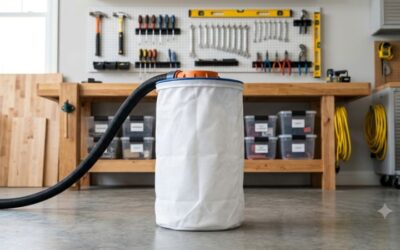
If your visual inspection reveals a thick layer of dust or debris, preparing the proper safety and cleaning gear is the next critical step. To complete a safe and effective DIY clean, you will need a heavy-duty shop vacuum equipped with a HEPA filter, a flexible duct cleaning brush kit, a high-quality N95 respirator mask, safety goggles, and thick microfiber cloths. Wearing proper protective equipment ensures you do not inhale any dislodged dust particles or mold spores during the process.
Using a standard household vacuum is highly discouraged, as its filtration system cannot trap fine dust, which will end up blowing back into your living rooms. Instead, look on Amazon for professional-grade, drill-powered flexible duct brush attachment kits that can reach up to 30 feet. These affordable attachments allow you to agitate and sweep away stubborn debris while your shop vacuum safely sucks up the loose particles.
How to Safely Access Your Vent Registers and Returns
Accessing your home’s ventilation system requires careful preparation to avoid damaging your walls or stripping screw heads. Begin by turning off your HVAC system at the thermostat or main breaker to prevent the fan from turning on while you are working. Use a sturdy screwdriver to remove the metal register grates from your floors, walls, or ceilings, placing the mounting screws in a secure container.
Once the grates are removed, take a moment to wash them thoroughly in warm, soapy water to remove accumulated grime and kitchen grease. For ceiling vents, ensure you place a drop cloth on the floor below to catch any falling dust clumps. This simple preparation step keeps your work area clean and ensures a smooth, hassle-free process as you prepare to clear out the main duct pathways.
Step-by-Step DIY Guide: Cleaning Vents to Prove Duct Cleaning is No Scam
Clearing the dust from your ventilation system is a straightforward process when you follow a methodical, step-by-step approach. By taking your time and using the right tools, you can achieve professional-grade results at a fraction of the cost, ensuring your indoor air remains clean and healthy.
Step 1: Inspecting the Internal Cavities for Dust Accumulation
Begin your hands-on project by feeding your flexible inspection camera into the register openings to map out the dustiest zones of your system. Focus your attention on the cold air return vents, which typically gather far more dust and pet hair than the supply vents. Take note of any areas where the duct metal is rusting or where flexible foil ducts might have collapsed over time.
This initial diagnostic step is essential because it helps you target your cleaning efforts where they are needed most. If you discover only a micro-layer of light dust, you can simply wipe down the immediate opening and avoid running heavy brushes deeper into the system. This saves you valuable time and prevents unnecessary wear on your duct joints, proving that an informed homeowner never falls victim to high-pressure cleaning scams.
Step 2: Agitating and Vacuuming the Built-Up Residue
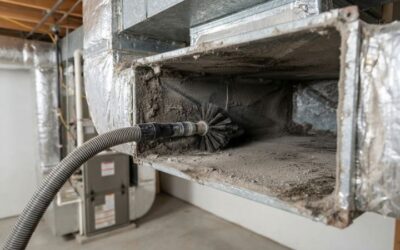
Once you have identified the target areas, insert your flexible duct brush kit into the vent opening and connect the adapter to your cordless power drill. Turn on your heavy-duty shop vacuum and position the hose nozzle directly inside the vent opening to capture escaping dust. Run the drill at a moderate speed, gently moving the spinning brush forward and backward to dislodge stubborn debris from the metal walls.
As the brush knocks the dust loose, the vacuum’s powerful suction will pull the airborne particles directly into the HEPA-filtered canister. Work in manageable 5-foot sections, slowly adding extension rods to the brush as you go deeper into the system. Be especially gentle when cleaning flexible plastic or foil ducting, as aggressive scrubbing can easily tear these fragile materials and create costly air leaks.
Step 3: Upgrading Your Air Filters and Preventing Future Mold
After thoroughly sweeping and vacuuming all accessible registers, the final step is to upgrade your HVAC system’s air filtration. Remove your old, dusty furnace filter and dispose of it immediately, wiping down the filter slot with a damp microfiber cloth. Install a high-quality, electrostatically charged pleated air filter with a MERV rating of 8 to 11 to capture fine dust, pollen, and pet dander.
You can easily browse Amazon to find the exact replacement dimensions for your specific furnace model, with bulk packages offering the best overall value. Additionally, consider spraying a specialized mold-inhibitor solution onto the clean duct surfaces near your air handler. This simple maintenance step prevents harmful biological growth from returning, keeping your home’s breathing air fresh and clean for the long haul.
Pro Tips and Crucial Mistakes to Avoid During Your DIY Clean
Successfully maintaining your home’s ventilation system requires a combination of consistency, patience, and the right techniques. To help you achieve the best possible results, we have gathered essential tips from experienced HVAC technicians.
- Always Use a HEPA Filter: Never run your shop vacuum without a high-quality HEPA filter, as standard paper filters will let fine dust escape back into your home.
- Do Not Use Water Inside Vents: Avoid spraying liquid cleaners or water deep into your metal ducts, as trapped moisture will quickly trigger rust and dangerous mold growth.
- Seal Surrounding Registers: When cleaning a specific vent, cover the other registers in the room with damp towels to prevent dislodged dust from drifting out.
- Inspect Your Dryer Vent: While you have your brush kit out, use it to clean your dryer transition hose, which is a major fire hazard if left clogged with lint.
By following these practical tips and avoiding common mistakes, you can maintain your home’s HVAC system safely and effectively. Taking a proactive approach to your home wellness ensures your family enjoys clean air without ever worrying about predatory service scams.
Conclusion: Taking Control of Your Home’s Air Quality
In summary, the answer to whether is duct cleaning a scam depends heavily on who you hire and the actual state of your ventilation system. While professional cleanings are rarely necessary for normal dust buildup, a thorough DIY inspection and cleaning is a highly rewarding project that improves airflow, eliminates pet odors, and protects your HVAC system from premature wear. Explore the top-rated DIY duct cleaning tools online today, equip yourself with the perfect gear, and start enjoying a fresher, healthier home environment right now!



Write Your Review
No reviews yet. Be the first to share your experience!