
⚡ Key Takeaways
- What Exactly Is a Clogged Dryer Vent?
- Why a Clogged Vent Is Dangerous
- Warning Signs of a Clogged Dryer Vent
- What Causes Dryer Vents to Clog
- How to Clear and Prevent a Clogged Vent
- How Often Should You Clean a Dryer Vent?
- DIY Cleaning vs. Professional Service
- Step-by-Step DIY Vent Cleaning
- Choosing Better Ducting Materials
- Frequently Asked Questions
- Conclusion
- Related Articles
- Related Guides
As an Amazon Associate we earn from qualifying purchases at no extra cost to you.






- Your dryer's exhaust system consists of the lint trap inside the machine, a flexible or rigid transition hose behind the dryer, and the vent duct that carries air to an exterior wall or roof vent.
- Lint is highly flammable, and a dryer generates plenty of heat.
- Your dryer usually tells you when its vent is restricted, if you know what to watch for.
- The main culprit is simply lint accumulation over time, but several factors accelerate it.
A clogged dryer vent is one of the most overlooked hazards in the home, and one of the most dangerous. As your dryer runs, it pushes hot, moist air and lint through a duct to the outside. When that duct gets blocked with accumulated lint, the dryer can’t exhaust properly, leading to longer drying times, higher energy bills, and a serious fire risk. Understanding what a clogged dryer vent is, how to recognize one, and how to keep it clear can protect both your home and your wallet. Here’s everything you need to know.
🛒 Best Price Today on Amazon
Prime members get fast, free shipping on everything above, plus member-only deals. New members get a 30-day free trial — cancel anytime.
What Exactly Is a Clogged Dryer Vent?
Your dryer’s exhaust system consists of the lint trap inside the machine, a flexible or rigid transition hose behind the dryer, and the vent duct that carries air to an exterior wall or roof vent. Even though the lint trap catches most fibers, a steady stream of fine lint escapes and clings to the duct walls. Over months and years this lint builds into a thick, felt-like layer that narrows or blocks the passage. That blockage is a clogged dryer vent, and it forces the appliance to work against trapped heat and moisture.
Why a Clogged Vent Is Dangerous
Lint is highly flammable, and a dryer generates plenty of heat. When the vent is blocked, heat builds up inside the duct and the dryer instead of escaping outside. This combination of trapped heat and combustible lint is exactly why dryers are a leading cause of home fires. Beyond the fire hazard, a gas dryer with a blocked vent can allow carbon monoxide to back up into the home. The risks are real, which is why dryer vent maintenance should never be ignored.
Warning Signs of a Clogged Dryer Vent
Your dryer usually tells you when its vent is restricted, if you know what to watch for. Catching these signs early prevents both fires and expensive repairs.
| Warning Sign | What It Means |
|---|---|
| Clothes take longer to dry | Moist air can’t escape, so drying stalls |
| Dryer and laundry feel very hot | Trapped heat isn’t venting outside |
| Burning or musty smell | Overheated lint or trapped moisture |
| Lint around the door or outside vent | Lint backing up due to a blockage |
| Vent flap doesn’t open outside | Weak airflow can’t push the flap |
| Dryer shuts off mid-cycle | Overheat sensor tripping on safety limit |
What Causes Dryer Vents to Clog
The main culprit is simply lint accumulation over time, but several factors accelerate it. A long or winding duct run gives lint more surface area to cling to and more bends where it collects. Crushed or kinked flexible hose behind the dryer creates pinch points. Outdoor vent caps can be blocked by bird nests, leaves, or debris. Vinyl or foil flexible ducting traps far more lint than smooth rigid metal and sags, creating low spots. Infrequent cleaning lets small buildups grow into full blockages.
How to Clear and Prevent a Clogged Vent
Keeping your vent clear is straightforward with regular attention. Clean the lint trap after every load, which is the single most important habit. At least once a year, disconnect the duct and clean the full run with a dryer vent brush kit, which has flexible rods that reach deep into the duct. Vacuum the lint trap housing where fine lint collects below the screen. Check the exterior vent cap to make sure the flap opens freely and isn’t blocked by debris or nests.
The type of ducting you use makes a big difference in how often you clog. Replacing flimsy vinyl or foil hose with a smooth, rigid, or semi-rigid metal duct dramatically reduces lint buildup and improves airflow. A quality dryer vent hose resists crushing and sagging, so lint has fewer places to collect and the dryer exhausts more efficiently.
How Often Should You Clean a Dryer Vent?
For most households, a full vent cleaning once a year is the right baseline. However, several factors call for more frequent attention. If you have a large family doing frequent loads, a long duct run, pets that add hair to the lint load, or you’ve noticed any of the warning signs above, clean every six months. Homes where the dryer is used heavily, such as those with young children or home-based businesses, benefit from more frequent inspection. When in doubt, more often is always safer than less.
DIY Cleaning vs. Professional Service
Many homeowners can handle dryer vent cleaning themselves with an inexpensive brush kit, especially when the duct run is short and accessible. The basic process involves unplugging the dryer, disconnecting the duct, brushing out the duct and the dryer’s exhaust port, and clearing the exterior vent. For long, complex, or roof-terminating vents, or if you’re not comfortable accessing the duct, a professional service has the equipment to clean thoroughly and inspect for damage. Either way, the key is doing it on a regular schedule.
Step-by-Step DIY Vent Cleaning
If you decide to clean the vent yourself, a methodical approach gets the best results. Start by unplugging an electric dryer or shutting off the gas supply to a gas model, then pull the appliance away from the wall. Disconnect the duct from the back of the dryer and the wall. Use a dryer vent brush kit, feeding the flexible rods through the duct while spinning them with a drill to scrub the walls and dislodge packed lint. Work from both the dryer end and the exterior vent end for a thorough job. Vacuum out the loosened lint, clean the lint trap housing inside the dryer where fine lint collects below the screen, and inspect the duct for crushed sections or damage. Reconnect everything securely, restore power or gas, and run the dryer on a timed cycle to confirm strong airflow at the exterior vent.
Choosing Better Ducting Materials
The material and routing of your dryer duct have a huge effect on how often it clogs and how safely it operates. The worst choice is flexible vinyl or thin foil hose, which sags, traps lint in its ridges, and can melt or burn. Building codes increasingly prohibit it for good reason. Smooth-wall rigid metal duct is the gold standard because lint slides through instead of catching, and it won’t sag or kink. Where flexibility is needed for the short transition behind the dryer, semi-rigid aluminum is a safer compromise than vinyl. Keep the run as short and straight as possible, since every elbow and foot of length adds resistance and a place for lint to collect. Upgrading flimsy ducting is one of the most effective ways to reduce clog frequency and fire risk for years to come.
Frequently Asked Questions
How do I know if my dryer vent is clogged?
The clearest signs are clothes taking much longer to dry, the dryer and laundry feeling unusually hot, a burning or musty smell, lint appearing around the door or exterior vent, and the dryer shutting off mid-cycle on its overheat sensor.
Can a clogged dryer vent really cause a fire?
Yes. Lint is highly flammable, and a blocked vent traps heat. The combination of trapped heat and combustible lint makes clogged dryer vents a leading cause of home fires, which is why regular cleaning is essential.
How often should I clean my dryer vent?
Once a year is the baseline for most homes. Clean every six months if you do frequent loads, have a long duct run, own pets, or notice any warning signs of restricted airflow.
Can I clean the dryer vent myself?
Yes, for short and accessible duct runs, using an inexpensive dryer vent brush kit. For long, complex, or roof-mounted vents, or if you’re unsure, a professional cleaning is the safer choice.
What kind of dryer duct is best?
Smooth, rigid, or semi-rigid metal ducting is best because it resists crushing, doesn’t sag, and traps far less lint than flexible vinyl or foil hose. Upgrading reduces clogs and improves drying efficiency.
Conclusion
A clogged dryer vent is more than an inconvenience. It wastes energy, wears out your appliance, and poses a genuine fire risk. Fortunately, prevention is simple: clean the lint trap every load, clear the full duct at least once a year, keep the exterior vent open, and upgrade flimsy ducting to smooth metal. Stay alert to the warning signs, and you’ll keep your dryer running safely and efficiently for years.
Top picks from this guide
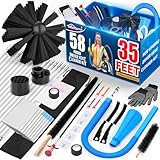
 SealegendSealegend 58-Pieces 35-Feet Dryer Vent Cleaner Kit, Dryer Cleaning Tools$27 \xc2\xb7 98/100
 HolikmeHolikme Dryer Vent Cleaner Kit - 35Ft Flexible Lint Brush…$21 \xc2\xb7 98/100
 SWKTPP4 Pieces Dryer Vent Cleaner Kit | Vacuum Hose Lint…$15 \xc2\xb7 98/100
 HolikmeHolikme Dryer Vent Cleaner Kit 2Pack - Lint Vacuum Attachment…$8 \xc2\xb7 98/100









Write Your Review
No reviews yet. Be the first to share your experience!