
⚡ Key Takeaways
- What Ventilation Actually Does
- The Telltale Signs of Poor Ventilation
- Health Effects of Stale Indoor Air
- Common Causes of Poor Ventilation
- How to Improve Ventilation
- The Role of Your HVAC System
- Monitoring Your Indoor Air
- Ventilation Strategies by Room
- Balancing Ventilation With Energy Efficiency
- Frequently Asked Questions
- Conclusion
- Related Articles
As an Amazon Associate we earn from qualifying purchases at no extra cost to you.




- Ventilation is the process of exchanging indoor air with outdoor air.
- Your home and body both signal when ventilation is inadequate.
- Poor ventilation does more than make a home feel stuffy.
- Understanding what's behind inadequate ventilation helps you fix it.
Modern homes are built tight to save energy, but that same air-sealing can trap stale air, moisture, and pollutants inside. Recognizing the signs of poor ventilation early can protect your health, your comfort, and even the structure of your home. Poor ventilation lets humidity, odors, and contaminants build up because fresh outdoor air isn’t replacing the stale indoor air often enough. The clues are usually there if you know what to look for. This guide covers the warning signs, what causes them, and how to bring fresh air back into your home.
🛒 Best Price Today on Amazon
Prime members get fast, free shipping on everything above, plus member-only deals. New members get a 30-day free trial — cancel anytime.
What Ventilation Actually Does
Ventilation is the process of exchanging indoor air with outdoor air. It removes excess moisture, carbon dioxide, cooking odors, off-gassing from furniture and finishes, and airborne particles, while bringing in fresher air. In leaky older homes this happened naturally through gaps in the building. Today’s tightly sealed homes need intentional ventilation, whether through exhaust fans, a mechanical ventilation system, or simply opening windows. When that exchange falls short, problems accumulate quickly.
It’s worth distinguishing ventilation from filtration and circulation, since people often confuse them. Filtration cleans particles out of the air that’s already inside, and circulation moves that air around the house, but neither brings in fresh outdoor air or removes carbon dioxide and moisture. Only true ventilation, the exchange of indoor air for outdoor air, accomplishes that. A home can have excellent filtration and strong circulation yet still feel stuffy and damp if it isn’t actually exchanging air with the outside. Recognizing this distinction is the first step toward solving a ventilation problem rather than masking it.
The Telltale Signs of Poor Ventilation
Your home and body both signal when ventilation is inadequate. Watch for these common warning signs.
| Sign | What It Indicates |
|---|---|
| Condensation on windows | Excess indoor humidity with nowhere to go |
| Musty or stale odors | Stagnant air and possible mold growth |
| Lingering cooking or bathroom smells | Exhaust isn’t clearing the air |
| Mold or mildew on walls and ceilings | Trapped moisture feeding growth |
| Stuffy, uncomfortable air | Built-up CO2 and lack of fresh air |
| Headaches or drowsiness indoors | Possible high CO2 or pollutant levels |
If several of these appear together, especially condensation and musty smells, your home is almost certainly under-ventilated.
Health Effects of Stale Indoor Air
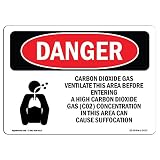
Poor ventilation does more than make a home feel stuffy. As fresh air exchange drops, carbon dioxide from breathing accumulates, which can cause headaches, fatigue, and difficulty concentrating. Trapped pollutants, including volatile organic compounds off-gassing from paints, furniture, and cleaning products, irritate the eyes, nose, and throat. Elevated humidity encourages dust mites and mold, both common triggers for allergies and asthma. Over time, consistently poor indoor air quality can aggravate respiratory conditions and reduce overall comfort and well-being.
Common Causes of Poor Ventilation
Understanding what’s behind inadequate ventilation helps you fix it. The usual causes include a tightly sealed home with no mechanical fresh-air system, bathroom and kitchen exhaust fans that are missing, broken, or vented into the attic instead of outside, blocked or undersized return air pathways in the HVAC system, and simply never opening windows. Furniture or closed doors blocking return grilles also restrict the air circulation that ventilation depends on. In many homes, it’s a combination of these factors rather than a single culprit.
How to Improve Ventilation
The good news is that most ventilation problems have practical solutions, ranging from free to moderate cost:
- Use exhaust fans correctly. Run bathroom fans during and after showers, and kitchen range hoods while cooking, to expel moisture and odors. Confirm they vent outside, not into the attic.
- Open windows strategically. Even short periods of cross-ventilation flush stale air. Open windows on opposite sides of the home for the best effect.
- Keep return air paths clear. Don’t block return grilles with furniture, and make sure interior doors have a path for air to return to the system.
- Run your HVAC fan. Setting the thermostat fan to circulate air helps distribute and filter it, though it doesn’t bring in fresh air by itself.
- Consider mechanical ventilation. An energy or heat recovery ventilator brings in fresh air continuously while recovering energy, ideal for tight homes.
The Role of Your HVAC System
While your heating and cooling system primarily recirculates and filters indoor air rather than bringing in fresh air, it still plays a major role in ventilation. Good airflow distributes air evenly and prevents stagnant pockets where moisture and pollutants collect. Clean, well-fitted return grilles are essential here. A properly sized air vent cover on supply and return registers keeps air moving freely and is easy to clean. For rooms that feel stuffy because air barely reaches them, a register booster fan can improve circulation and reduce that stale, closed-in feeling.
Monitoring Your Indoor Air
If you suspect poor ventilation, an inexpensive indoor air quality monitor can confirm it. These devices track carbon dioxide, humidity, and sometimes particulate levels, giving you concrete data. CO2 readings that climb above about 1,000 parts per million in occupied rooms signal inadequate fresh air. Humidity consistently above 50 to 60 percent points to moisture problems. Monitoring takes the guesswork out and helps you see whether your ventilation improvements are working.
Ventilation Strategies by Room
Different rooms have different ventilation needs, and tailoring your approach gets better results. Bathrooms generate the most moisture, so a properly sized exhaust fan that vents outdoors is essential, and it should run during showers and for fifteen to twenty minutes afterward. Kitchens need a range hood that exhausts cooking moisture, grease, and combustion byproducts outside rather than recirculating them. Bedrooms benefit from a cracked window or fresh-air supply at night, since carbon dioxide builds up while people sleep in a closed room. Basements, prone to dampness and stagnant air, often need a dehumidifier plus some mechanical air movement. Matching the ventilation method to each room’s specific challenge is more effective than relying on a single whole-house approach.
Balancing Ventilation With Energy Efficiency
One reason homes are under-ventilated is the understandable desire to save energy by sealing them tight. The key is realizing that ventilation and efficiency aren’t mutually exclusive. Spot ventilation through exhaust fans uses minimal energy and targets moisture and pollutants at the source. For continuous fresh air without throwing away conditioned air, a heat recovery ventilator or energy recovery ventilator transfers heat and sometimes moisture between the outgoing stale air and incoming fresh air, recovering most of the energy you’d otherwise lose. This lets you ventilate a tight home without a large heating or cooling penalty. The goal isn’t to make your home leaky again, but to add controlled, intentional ventilation that delivers fresh air precisely when and where it’s needed.
Frequently Asked Questions
What are the most common signs of poor ventilation?
Condensation on windows, musty or stale odors, lingering cooking and bathroom smells, mold or mildew growth, stuffy air, and headaches or drowsiness indoors are the most common warning signs.
Can poor ventilation make you sick?
It can contribute to health issues. Stale air leads to elevated CO2 that causes headaches and fatigue, trapped pollutants that irritate airways, and higher humidity that promotes mold and dust mites, both of which trigger allergies and asthma.
Does running my HVAC fan improve ventilation?
It helps circulate and filter indoor air, reducing stagnant pockets, but a standard system recirculates air rather than bringing in fresh outdoor air. For true ventilation you need exhaust fans, open windows, or a mechanical ventilation system.
Why do my windows fog up inside?
Interior window condensation is a classic sign of excess indoor humidity with no way to escape. It indicates poor ventilation and can lead to mold if not addressed. Running exhaust fans and ventilating helps reduce it.
How can I ventilate without losing heating or cooling?
An energy recovery or heat recovery ventilator brings in fresh air while transferring heat between incoming and outgoing air, minimizing energy loss. It’s the most efficient way to ventilate a tightly sealed home.
Conclusion
Poor ventilation announces itself through condensation, musty odors, mold, stuffiness, and even headaches. Because modern homes are sealed tight, fresh air exchange often needs to be intentional. Use exhaust fans, open windows strategically, keep return air paths clear, and consider mechanical ventilation for a lasting fix. Pay attention to the signs, monitor your air if needed, and you’ll keep your home feeling fresh, dry, and healthy.









Write Your Review
No reviews yet. Be the first to share your experience!