
Our Short List of 3


All 4 Picks at a Glance
| Product | Specs | Action |
|---|---|---|
| 1. Sonic Citrus Skate Bearing Cleaner, 8 oz — Best Bearing-Specific Citrus Solvent | Check price on Amazon | |
| 2. Zep Heavy-Duty Citrus Degreaser, 32 Ounces — Best Citrus Degreaser for Mixed Workshop Use | Check price on Amazon | |
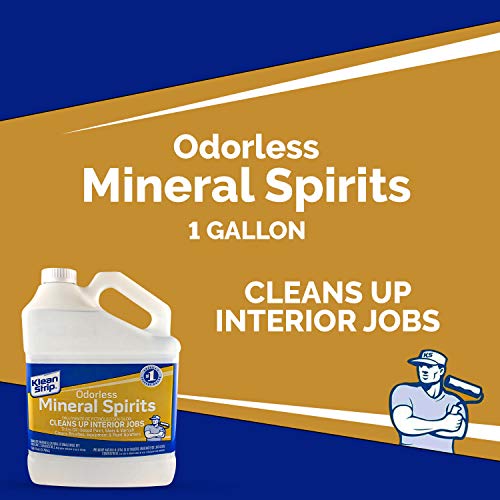
| 3. Klean-Strip Odorless Mineral Spirits, 1 Gallon — Best for Soak Trays and Large Bearings | Check price on Amazon | |
 4. CRC Brakleen Brake Parts Cleaner, Non-Flammable, 19 oz — Best Fast-Drying Flush for Open Steel Bearings | Check price on Amazon |
As an Amazon Associate we earn from qualifying purchases.
A bearing that feels gritty, spins slowly, or sounds dry is usually not worn out. It is dirty. Old grease hardens, road dust and metal fines work their way past the shields, and the lubricant inside turns into a paste that drags on every ball and race. The right solvent dissolves that old grease completely, flushes the contamination out, and leaves the steel clean enough to take fresh lubricant properly. The wrong solvent either leaves residue behind, attacks rubber seals and plastic cages, or creates a safety problem in a small workshop.
This guide covers four real solvents and degreasers that are commonly used to clean bearings, from a small bottle made specifically for skate bearings to a gallon of odorless mineral spirits for batch work in a parts tray. Every pick below is the same type of product: a liquid solvent or degreaser for cleaning bearings. There are no cleaning tubs, brushes, lubricants, or replacement bearings mixed in, because those are separate purchases with separate decisions. What differs between the picks is chemistry, evaporation speed, container size, and how much care each one demands around seals, plastics, and ventilation.
Disclosure: This article contains affiliate links. If you buy through a link on this page, the site may earn a commission at no additional cost to you.
How to Choose a Solvent for Cleaning Bearings
Match the chemistry to the bearing
Citrus solvents, usually built around d-limonene from orange peel, dissolve grease well and are the gentlest starting point for small bearings with rubber seals, such as skate, inline, and many bicycle bearings. They work more slowly than petroleum solvents, they rinse or wipe away with little residue, and they are the chemistry most bearing-specific cleaners use.
Mineral spirits are the traditional workshop choice for larger steel bearings, bottom brackets, headset bearings, and machinery bearings that have been removed from the equipment. A refined, low-odor grade soaks parts clean in a tray, evaporates at a moderate pace that gives you working time, and is generally kind to metal. It can still swell some rubber compounds over long soaks, so sealed bearings should not sit in it for hours.
Fast-drying chlorinated parts cleaners sit at the aggressive end. They strip grease almost instantly, evaporate completely, and leave no film, which is useful for open steel bearings that will be re-lubricated right away. The trade-off is that they can damage many plastics, painted surfaces, and some seal materials, and they demand the strictest ventilation discipline of any option in this guide.
Check seal and cage compatibility first
Before any solvent touches a bearing, identify what else is in it. Open steel bearings tolerate the widest range of solvents. Bearings with rubber contact seals, nylon cages, or plastic retainers narrow the choice considerably. Pry shields off carefully if the design allows it, clean the bearing open so solvent can circulate, and if a seal cannot be removed, choose a milder citrus formula and keep soak times short. When a bearing maker publishes a compatibility warning, that warning overrides any general advice in a guide like this one.
Consider evaporation and residue
A solvent that evaporates too slowly can trap moisture and leave a thin film that dilutes fresh grease. A solvent that flashes off too quickly may dry before it has dissolved heavy deposits, forcing repeat applications. For most home workshops, a medium-evaporation solvent for soaking, followed by thorough drying with clean air or a lint-free cloth, gives the most reliable result. Whatever you use, the bearing must be completely dry before new lubricant goes in, and it should spin freely with no gritty feel when flicked by hand.
Think about volume and workflow
An 8-ounce bottle is enough for many sessions of small-bearing cleaning because only a small bath is needed each time. A gallon container suits someone who maintains a fleet, a shop, or large bearings and wants a standing soak tray. Aerosol cans suit spot work and open bearings that can be flushed in place over a drain pan, but they consume product quickly and need careful overspray control.
Safety and Ventilation When Using Solvents
Solvent cleaning is safe when it is planned, and careless when it is improvised. Work outdoors or in a space with moving fresh air, ideally with the airflow carrying vapour away from your face rather than past it. Keep solvents away from pilot lights, space heaters, welding, grinding sparks, and any other ignition source, and treat even low-odor products as flammable unless the label states otherwise. Low odor does not mean low vapour.
Wear chemical-resistant gloves, because repeated skin contact with degreasers strips natural oils and can cause irritation, and wear eye protection when brushing, shaking a cleaning bath, or using an aerosol. Never mix solvents together, never transfer them into drink containers, and keep original labels readable so anyone in the household knows what is in the container. Store containers closed, upright, and away from children and pets.
Used solvent is waste, not drain cleaner. Do not pour it into sinks, storm drains, or soil. Let heavy sediment settle, check your local household hazardous waste rules, and take used solvent and soaked rags to the collection route your area provides. Lay oily rags flat outdoors to dry before disposal or store them in a sealed metal container, because crumpled solvent rags left in a bin are a recognised fire risk.
The Picks
1. Sonic Citrus Skate Bearing Cleaner, 8 oz — Best Bearing-Specific Citrus Solvent
The Sonic Citrus Cleaner, model 30050, is the only product in this guide formulated specifically for bearings rather than adapted from general degreasing. It is an 8-ounce bottle of citrus-based cleaner made in the USA by Sonic Sports, intended for inline skate, roller skate, and skateboard bearings, and that narrow focus is exactly why it leads the list for small bearings.
Citrus chemistry is well matched to this job. Skate bearings carry light grease or oil plus fine road grit, and a d-limonene style cleaner dissolves that contamination without the aggression that threatens the rubber seals and nylon retainers common in 608-size bearings. The maker positions the formula as earth friendly and water-free, which matters because a water-based wash left inside a bearing invites rust on polished races. With a solvent bath, you shake the bearings in a small container of cleaner, lift them out, spin them to throw off liquid and loosened grit, and let them dry fully before adding fresh lubricant.
The 8-ounce size also fits the workflow. Small bearings need only enough liquid to cover them in a jar or cleaning bottle, so a bottle of this size covers repeated maintenance sessions for a skater, a hockey player, or a family with several sets of wheels. It is not the economical choice for soaking large industrial bearings, and it will work more slowly on thick, years-old machinery grease than a petroleum solvent would. For its intended bearing size, though, it removes the guesswork about compatibility that comes with borrowing a general shop degreaser.
Choose this one if your bearings are skate, inline, or similar small sealed bearings and you want a purpose-made citrus solvent in a right-sized bottle.
2. Zep Heavy-Duty Citrus Degreaser, 32 Ounces — Best Citrus Degreaser for Mixed Workshop Use
The Zep Heavy-Duty Citrus Degreaser in the 32-ounce size, model ZUCIT32, brings the same citrus approach in a larger, general workshop format. Zep builds the formula around a natural citrus solvent and rates it for removing grease, oil, and adhesives from surfaces including engines, tools, fiberglass, aluminum, and stainless steel, which tells you it has more cutting strength than a light household citrus spray.
For bearing work, the practical way to use it is as a soak or a controlled pour-over in a tray, not as a casual spray around assembled equipment. Removed bearings can sit in a shallow bath while the citrus solvent softens old grease, then be brushed gently, lifted out, and dried. The quart size gives you enough volume to fill a small parts tray properly, something the little bearing-specific bottle cannot do for larger bicycle, trailer, or equipment bearings, while still being a manageable container to store.
There are limits to respect. Zep cautions against use on some plastics, painted surfaces, glass, and natural stone, so keep the bath to metal bearings, test any plastic cage or seal material first, and avoid splashing it onto finished surfaces around your bench. Like all citrus degreasers, it needs dwell time; expect to let it work rather than expecting instant stripping. Rinse or wipe according to the label directions for the surface you are cleaning, and dry bearings completely before lubricating them.
Choose this one if you want one citrus degreaser that can handle bearing soaks and heavier general degreasing around the workshop, in a quart size that supports tray work.
3. Klean-Strip Odorless Mineral Spirits, 1 Gallon — Best for Soak Trays and Large Bearings
Klean-Strip Odorless Mineral Spirits, product GKSP94214, is the traditional soak solvent in a 1-gallon container. Klean-Strip describes it as a premium, highly refined solvent that thins oil-based paint, stain, and varnish and cleans brushes and equipment, with very low odor and minimal residue on drying. Those same properties are why generations of mechanics have used mineral spirits in a parts tray for bearings.
For bearing cleaning, the method is simple and effective. Fill a metal or solvent-safe tray deep enough to cover the bearings, submerge the opened or shield-removed bearings, and let the solvent dissolve the old grease while you agitate the tray occasionally or turn the bearings by hand with gloves on. Lift them out, spin and brush away loosened deposits, and if the bath was heavily loaded, give them a short second soak in cleaner solvent before drying. The gallon size makes this economical in workflow terms: you can maintain a working bath for a batch of bearings from a bicycle, a trailer hub, or shop machinery instead of rationing a small bottle.
Odorless in this context means a refined, low-odor grade, not a harmless one. The ventilation, glove, ignition, and disposal rules in the safety section apply in full, and long soaks should be avoided for bearings with rubber seals. Mineral spirits also evaporate more slowly than fast parts cleaners, so allow real drying time and confirm the bearing is dry and free-spinning before fresh grease goes in. Do not use it in a plastic container that the label does not approve for solvent storage.
Choose this one if you clean larger bearings or batches of bearings, want a standing soak tray, and prefer a familiar, moderate-evaporation petroleum solvent.
4. CRC Brakleen Brake Parts Cleaner, Non-Flammable, 19 oz — Best Fast-Drying Flush for Open Steel Bearings
CRC Brakleen in the 19-ounce can, product 05089, is the aggressive, fast option. CRC formulates this original Brakleen as a non-flammable, chlorinated parts cleaner that quickly removes grease, oil, brake fluid, and other contaminants and dries fast with no residue. That complete, residue-free evaporation is the reason experienced mechanics reach for it to flush open steel bearings that will be packed with fresh grease immediately afterwards.
Used carefully, the technique is a flush rather than a soak. Hold the open bearing over a drain pan in a well-ventilated area, direct short bursts through the races while rotating the bearing slowly, and let the solvent carry dissolved grease and grit out. Because it evaporates so completely, there is no film competing with the new lubricant, and the bearing can move to the drying and greasing step quickly.
This is also the pick that demands the most restraint. A chlorinated cleaner of this strength can attack many plastics, rubber compounds, and painted or coated surfaces, so it does not belong on sealed bearings, plastic-caged bearings, or anywhere near finished parts you are not prepared to risk. Never use it on a bearing that is still installed in equipment surrounded by seals, wiring, or paint. Read the can directions and warnings in full, keep it strictly to removed, open, all-steel bearings, and give it the best ventilation of any product in this guide.
Choose this one only if your bearings are open and all steel, you need a completely residue-free flush, and you are set up to handle a strong chlorinated solvent responsibly.
How to Clean Bearings With a Solvent, Step by Step
First, remove the bearings from the equipment and, where the design allows, remove shields or seals carefully so the solvent can reach the balls and races. Keep the seals in order so they go back on the same bearings.
Second, place the bearings in a solvent-safe container with enough of your chosen solvent to cover them. Agitate gently, let the solvent dwell long enough to dissolve the old grease, and rotate each bearing by hand so contaminated liquid moves out and cleaner liquid moves in.
Third, lift the bearings out, spin them to shed liquid, and inspect. A clean bearing spins smoothly and quietly with no gritty catches. If it still feels rough, repeat with cleaner solvent rather than forcing it.
Fourth, dry completely. Air dry on a clean, lint-free surface in ventilated space, or use gentle clean air. Do not spin a dry, unlubricated bearing at high speed with compressed air, because overspeeding a dry bearing can damage it.
Finally, lubricate promptly with the grease or oil the bearing maker specifies, refit the seals or shields, and reinstall. A cleaned bearing left dry and exposed will pick up dust and surface rust, so cleaning and lubricating belong in the same session.
Frequently Asked Questions
What is the safest solvent for sealed bearings?
A citrus-based cleaner is usually the most forgiving starting point for small sealed bearings, because it dissolves light grease while being less aggressive toward rubber seals and nylon retainers than strong chlorinated cleaners. Keep soak times short, and follow the bearing maker’s guidance where it exists.
Can I clean bearings without removing the seals?
You can soak sealed bearings, but cleaning will be slower and less complete because solvent and dissolved grease must move past the seal lip. Removing shields or seals where the design allows it gives a far more thorough result. If a seal is not designed to come off, use a mild citrus solvent and accept a gentler clean.
Is mineral spirits safe for bearings?
Mineral spirits are a long-standing choice for soaking removed metal bearings and work well in a tray, especially in a refined low-odor grade. Avoid prolonged soaking of rubber seals, dry the bearing fully afterwards, and follow standard solvent ventilation and disposal practice.
Why not just use water and detergent?
Water-based washing can clean a bearing, but any water left in the races promotes rust, and drying a small bearing completely is harder than it looks. A proper solvent bath avoids introducing water in the first place, which is why bearing-specific cleaners are formulated without it.
How do I dispose of used bearing cleaning solvent?
Do not pour used solvent down a drain or onto the ground. Follow your local household hazardous waste programme for collection, keep the solvent in a closed, labelled, solvent-safe container until then, and handle soaked rags as a fire risk by drying them flat outdoors or storing them in a sealed metal container.
When should a bearing be replaced instead of cleaned?
Replace a bearing that still feels rough, notchy, or loose after a thorough clean and correct lubrication, or one with visible pitting, discoloration from heat, damaged cages, or torn seals. Solvent restores a dirty bearing; it cannot restore worn steel.
Conclusion
For most people cleaning small bearings at home, start with the Sonic Citrus Cleaner in the 8-ounce bottle, because it is made for bearings and removes the compatibility guesswork. If you need tray volume and broader workshop degreasing, the Zep Heavy-Duty Citrus Degreaser in the 32-ounce size steps up without changing chemistry. For batch soaking of larger metal bearings, Klean-Strip Odorless Mineral Spirits in the gallon size remains the practical workshop standard. Reserve CRC Brakleen for open, all-steel bearings where a fast, residue-free flush justifies a stronger chlorinated solvent and stricter handling.
Whichever solvent you choose, the result depends as much on process as on product: open the bearing up where you can, give the solvent time to work, dry it completely, and lubricate it in the same session. Done that way, a gritty bearing that felt finished often spins like a new one.


Write Your Review
No reviews yet. Be the first to share your experience!