
Our Short List of 3
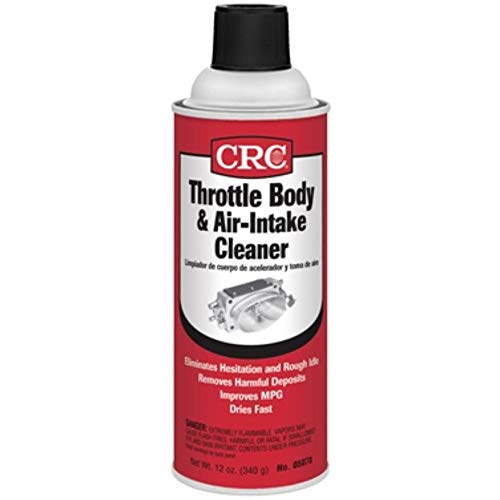
- Best for: Drivers who want a dedicated throttle body cleaner for a fuel-injected gasoline engine.
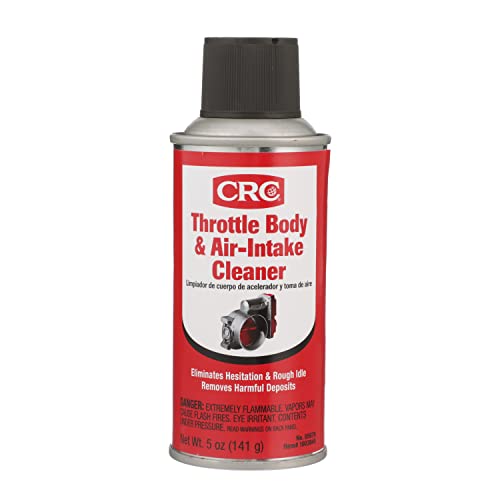
- Best for: First-time users and drivers who need a small amount for a single light cleaning.
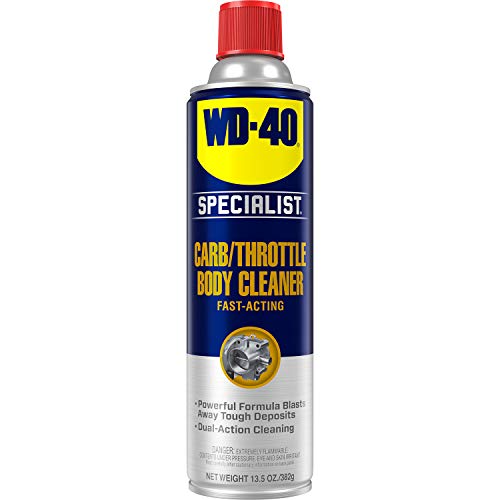
- Best for: Owners dealing with stubborn baked-on carbon who also want a versatile parts cleaner.
All 4 Picks at a Glance
| Product | Specs | Action |
|---|---|---|
| CRC Throttle Body and Air-Intake Cleaner 05078 – 12 Wt Oz |
| Check price on Amazon |
| CRC Throttle Body and Air Intake Cleaner 05678 – 5 Wt Oz |
| Check price on Amazon |
| WD-40 Specialist Carb/Throttle Body and Parts Cleaner – 13.5 OZ |
| Check price on Amazon |
 MAG 1 Air Intake/Throttle Body Cleaner 00417 – 12 Ounce |
| Check price on Amazon |
A rough idle, hesitation when you press the accelerator, and a throttle pedal that feels less responsive than it used to can all point to the same small problem. Over time, carbon, gum, varnish, and grime build up inside the throttle body and around the throttle plate, narrowing the air passage and disturbing airflow at idle. Cleaning the throttle body is one of the simplest maintenance jobs a driver can tackle.
The best throttle body cleaning kits in this guide are spray cleaners made for direct application to throttle bodies and air intake components. Each is a self-contained aerosol with a spray nozzle, and in most cases a directional straw or angled valve that helps you reach the bore and the plate without removing the whole assembly. They are chosen because their listed uses name throttle bodies directly and their formulas target the deposits that actually form there.
This article compares four products based on specifications, features, and user feedback. You will find a quick comparison first, then the criteria that matter most, detailed reviews of each pick, a side-by-side table, a buying guide, and answers to the questions drivers ask most often.
Disclosure: As an Amazon Associate, we earn from qualifying purchases.
Quick Picks at a Glance
| Product | Key Spec | Best For |
|---|---|---|
| CRC Throttle Body and Air-Intake Cleaner 05078 | 12 wt oz aerosol for fuel-injected gasoline engines | Best overall throttle body cleaning |
| CRC Throttle Body and Air Intake Cleaner 05678 | 5 wt oz aerosol, low-VOC 50-state formula | Best compact single-job cleaner |
| WD-40 Specialist Carb/Throttle Body and Parts Cleaner | 13.5 oz aerosol, dual-action spray system | Best for stubborn baked-on carbon |
| MAG 1 Air Intake/Throttle Body Cleaner 00417 | 12 oz aerosol, 360-degree spray nozzle | Best for hard-to-reach angles |
How to Choose
1. Confirm the Listed Application
Start with the label, not the brand name. A cleaner should list throttle bodies and air intake components among its intended uses. Some products are made only for carburetors, while others are made for fuel-injected gasoline engines, including throttle body and multi-port systems. Matching the listed application to your engine avoids using a formula on a coated throttle body or a sensor-equipped intake that it was never designed for. Always check the vehicle manual as well.
2. Know Which Deposits It Targets
Deposits are not all the same. Carbon is hard and crusty, gum is sticky, varnish is a baked-on film, and grime is a mix of dirt and oily residue. A product that names carbon, gum, and varnish is a stronger match for a neglected throttle body than a general degreaser. If the plate sticks or the bore is visibly dark, look for a formula that mentions baked-on deposits and loose carbon.
3. Check Sensor and Coating Compatibility
Modern throttle bodies often have coated bores and sit close to sensitive components. Some cleaners state that they are safe for coated throttle bodies or for all component surfaces, while others make no such claim. A cleaner without a stated compatibility claim should be kept away from sensors and coated areas unless the label says otherwise.
4. Consider Can Size and How Often You Clean
A 5-ounce can suits a single light cleaning or a driver who wants to try a product before committing to a larger size. A 12-ounce or 13.5-ounce can suits a full cleaning, a second pass on heavy buildup, or maintenance on more than one vehicle.
5. Look at the Spray Nozzle and Reach
A standard spray works well when the throttle body is easy to access. A 360-degree nozzle that sprays in any position is more useful when the throttle body sits at an awkward angle or you need to spray upward into the bore. A directional straw helps you aim at the edges of the throttle plate without coating nearby parts.
6. Review Drying Time and VOC Claims
A fast-drying formula shortens the job and reduces the wait before you restart the engine. Low-VOC and 50-state formulas reflect the regulatory standards the product meets and can matter for drivers in states with stricter emissions rules.
7. Weigh Versatility Against Specialization
Some cleaners do one job very well: cleaning throttle bodies and air intake parts on fuel-injected gasoline engines. Others also list carburetors, chokes, linkages, and unpainted metal parts. Versatility is useful if you maintain lawn equipment, motorcycles, or older vehicles alongside your car.
Top Picks
CRC Throttle Body and Air-Intake Cleaner 05078 – 12 Wt Oz
- Best for: Drivers who want a dedicated throttle body cleaner for a fuel-injected gasoline engine.
Drivers who want a dedicated throttle body cleaner for a fuel-injected gasoline engine.
CRC Throttle Body and Air-Intake Cleaner 05078 – 12 Wt Oz
CRC 05078 is the most focused throttle body cleaner in this selection, and that focus is its greatest strength. The 12-ounce aerosol is listed for use in all fuel-injected gasoline engines, including both throttle body and multi-port systems. Its formula is designed to remove harmful deposits, including carbon, varnish, and gum, from throttle bodies and air intake components, and the label connects that cleaning action to easier starting, smoother idling, and reduced hesitation. The can dries fast, and the 12-ounce size gives you enough product for a thorough first cleaning plus a follow-up pass if the bore still looks dark after the first wipe.
Pros:
– Listed specifically for fuel-injected gasoline engines
– Targets carbon, varnish, and gum deposits
– 12-ounce size suits a full cleaning with product to spare
– Fast-drying formula
Cons:
– Listed for gasoline engines only
– Aerosol spray needs care around painted surfaces
– No 360-degree nozzle is listed
CRC Throttle Body and Air Intake Cleaner 05678 – 5 Wt Oz
- Best for: First-time users and drivers who need a small amount for a single light cleaning.
First-time users and drivers who need a small amount for a single light cleaning.
CRC Throttle Body and Air Intake Cleaner 05678 – 5 Wt Oz
CRC 05678 is the compact version of the idea above, and it suits a different kind of buyer. The 5-ounce aerosol is made for all fuel-injected gasoline engines and is described as a 50-state, low-VOC formula, which makes it a practical choice for drivers who want a smaller amount of product and a formula that meets stricter regulatory standards. It cleans gum and varnish from throttle valves, throttle bodies, and linkages, and the label links that action to easier starting and smoother engine performance. The small can is easy to handle in a tight engine bay, easy to store, and easy to justify for a single maintenance job. The trade-off is clear: there is less product for a second pass, so it works best on light to moderate buildup.
Pros:
– Compact 5-ounce size is ideal for one cleaning job
– Low-VOC 50-state formula
– Listed for all fuel-injected gasoline engines
– Easy to handle and store
Cons:
– Small can may run short on heavy buildup
– Less economical per cleaning than larger cans
– No angled nozzle is listed
WD-40 Specialist Carb/Throttle Body and Parts Cleaner – 13.5 OZ
- Best for: Owners dealing with stubborn baked-on carbon who also want a versatile parts cleaner.
Owners dealing with stubborn baked-on carbon who also want a versatile parts cleaner.
WD-40 Specialist Carb/Throttle Body and Parts Cleaner – 13.5 OZ
WD-40 Specialist takes a different approach from the two CRC products above. Instead of a single-purpose throttle body formula, it offers a dual-action cleaning system in a 13.5-ounce aerosol. The solvent formula is designed to break up tough baked-on carbon deposits, while the pressurised spray blasts deposits and residue away from the surface. Its listed uses cover carburetors, throttle bodies, and unpainted metal parts, which makes it the most versatile pick in this guide. That versatility is useful for owners who maintain a mix of vehicles and equipment, or who want one can that can also clean linkages and other metal parts during the same session. The 13.5-ounce size is the largest here, so it suits a heavy first cleaning and leaves product for later maintenance.
Pros:
– Dual-action system targets baked-on carbon
– Largest can size in this selection at 13.5 ounces
– Also listed for carburetors and unpainted metal parts
– Fast-acting, residue-free formula
Cons:
– Broader formula is less specialised than a dedicated throttle body cleaner
– Keep away from painted surfaces and plastics unless the label allows it
– Strong spray needs careful aiming in tight engine bays
MAG 1 Air Intake/Throttle Body Cleaner 00417 – 12 Ounce
- Best for: Drivers who need to spray at awkward angles and want a surface-safe, VOC-compliant cleaner.
Drivers who need to spray at awkward angles and want a surface-safe, VOC-compliant cleaner.
MAG 1 Air Intake/Throttle Body Cleaner 00417 – 12 Ounce
MAG 1 00417 stands out for its spray nozzle and its surface claims. The 12-ounce aerosol is specially blended to remove grease, grime, gum, and baked-on varnish, and it also helps remove loose carbon deposits from air intake and throttle body components. That is one of the broadest deposit lists in this guide, and it makes the product a good match for throttle bodies that have collected a mix of oily grime and hardened deposits rather than carbon alone. The standout feature is the 360-degree nozzle, which sprays in any position, so you can aim upward or sideways into the bore without holding the can upright. The listing also states that the formula meets United States VOC regulations and is safe for all component surfaces.
Pros:
– 360-degree nozzle sprays in any position
– Targets grease, grime, gum, varnish, and loose carbon
– Listed as safe for all component surfaces
– Meets United States VOC regulations
Cons:
– Deposit list focuses on loose carbon rather than heavy baked-on carbon
– Less widely known than the larger brands in this guide
– Still needs care around sensors and hot surfaces
Comparison Table
| Product | Size | Deposits Targeted | Nozzle | Listed For |
|---|---|---|---|---|
| CRC 05078 | 12 wt oz | Carbon, varnish, gum | Standard spray | Fuel-injected gasoline engines |
| CRC 05678 | 5 wt oz | Gum, varnish | Standard spray | All fuel-injected gasoline engines |
| WD-40 Specialist | 13.5 oz | Baked-on carbon | Dual-action spray | Carburetors, throttle bodies, unpainted metal parts |
| MAG 1 00417 | 12 oz | Grease, grime, gum, varnish, loose carbon | 360-degree spray | Air intake and throttle body components |
Buying Guide
Start by identifying your engine type and the condition of your throttle body. If you drive a modern fuel-injected petrol car and the idle is only slightly rough, a dedicated cleaner such as CRC 05078 or the compact CRC 05678 is the most direct match. If the throttle plate sticks, the bore is visibly dark, or the engine hesitates under load, a stronger option such as the WD-40 Specialist dual-action spray may be more appropriate. If access is the main problem, the MAG 1 360-degree nozzle may save more time than any difference in formula.
Next, decide how much product you need. A single car with light buildup needs only a small can. A household with two or three vehicles, or a throttle body that has never been cleaned, justifies a 12-ounce or 13.5-ounce can.
Prepare properly before you spray. Work outdoors or in a well-ventilated garage, let the engine cool, and wear eye protection and gloves. Disconnect the air intake duct so you can see the throttle plate, and keep a clean lint-free cloth nearby. Spray in short bursts rather than flooding the bore, wipe the plate and the inner walls, and open the plate gently by hand only if your vehicle manual allows it. Many modern cars use electronic throttle control, and forcing the plate can cause damage.
Avoid common mistakes. Do not spray onto a hot engine, do not spray directly onto sensors, and do not use a cleaner on a coated throttle body unless the label says it is safe for coated surfaces. Do not expect a spray cleaner to fix a mechanical fault, a vacuum leak, or a failing sensor. If the rough idle continues after a thorough cleaning, the cause is likely elsewhere, and a diagnostic check is the next step.
When you compare products, focus on the listed application, the deposits named, the nozzle, and the size.
Frequently Asked Questions
How often should I clean my throttle body?
Most drivers clean the throttle body every 30,000 to 50,000 miles, or when symptoms appear, such as a rough idle, hesitation, or a sticking throttle. Vehicles driven in dusty conditions or used mainly for short trips may need cleaning sooner. Check the vehicle manual for guidance, and inspect the bore when you change the air filter.
Can I clean a throttle body without removing it?
Yes, in many cases. Most spray cleaners are designed for cleaning in place: you remove the air intake duct, spray into the bore, and wipe the throttle plate and inner walls with a cloth. Heavy buildup may need the throttle body removed, and some electronic throttle bodies should only be cleaned following the manual. If unsure, start with an in-place cleaning and assess the result.
Are throttle body cleaners safe for sensors?
It depends on the product. Some cleaners state that they are safe for coated throttle bodies or for all component surfaces, while others make no sensor-safety claim. As a rule, keep spray away from the mass airflow sensor and other sensors unless the label says the product is safe for them. Spraying onto a cloth and wiping is safer than spraying directly into a sensor area.
What is the difference between a throttle body cleaner and a carburetor cleaner?
A throttle body cleaner is formulated for fuel-injected engines and is often listed as safe for coated throttle bodies and oxygen sensors. A carburetor cleaner is made for carburetors and may contain stronger solvents that are not suitable for coated surfaces or sensors. Some products, such as the WD-40 Specialist cleaner in this guide, list both uses, but still check the label before using any cleaner on a modern fuel-injected engine.
Will cleaning the throttle body improve fuel economy?
It can help, but the effect is usually modest. A dirty throttle body restricts airflow and can cause rough idling and hesitation, which may lead to less efficient driving. Cleaning restores smoother airflow and a steadier idle, and the label on CRC 05078 links deposit removal to improved mileage. Do not expect a large gain if the engine is otherwise well maintained; the main benefit is smoother running.
Do I need any tools besides the cleaner?
For a basic in-place cleaning, you usually need only the spray cleaner, a clean lint-free cloth, gloves, eye protection, and a screwdriver or socket to loosen the air intake duct clamp. A soft brush can help with stubborn deposits, and a torch helps you see inside the bore.
Conclusion
The best throttle body cleaning kits are the ones that match your engine, your deposits, and your access. CRC 05078 is the best overall choice for most drivers with a fuel-injected gasoline engine, thanks to its focused formula and useful 12-ounce size. CRC 05678 is the best compact option for a single light cleaning or a first attempt. WD-40 Specialist is the best pick for stubborn baked-on carbon and for owners who want a versatile cleaner for carburetors and metal parts as well. MAG 1 00417 is the best choice when the throttle body sits at an awkward angle, thanks to its 360-degree nozzle and broad surface-safety claim.
A clean throttle body will not fix every engine problem, but it is a simple, low-cost step toward smoother idling, cleaner airflow, and a more responsive throttle.

Write Your Review
No reviews yet. Be the first to share your experience!