
- Top Pick: LUMLLSAJI Bathroom Exhaust Fan, 120CFM Bathroom Fan Ceiling Mounted 8"x8"
- Best Value: Broan-NuTone Bathroom Exhaust Fan – Easy Retrofit Without Attic Access, Ultra Quiet 0.9 Sones, Effective Ventilation at 60 CFM ENERGY STAR Certified Moisture and Odor Control
- Premium Choice: Master Flow GAF 1500 CFM Powered Roof Mount Attic Fan with Thermostat Controller for Up to 2800 Sq Ft | Durable Galvanized Steel Construction | Built-In Screen – ERV6BL
Bathroom fan venting to attic installations are incredibly common in many older homes, but they frequently lead to serious hidden moisture damage. If you do not route this humid air all the way outside, you risk ruining your roof structure. This guide explains how to correct this critical issue safely and protect your home today.
🛒 Best Price Today on Amazon
Prime members get fast, free shipping on everything above, plus member-only deals. New members get a 30-day free trial — cancel anytime.
Understanding the Attic Venting Dilemma
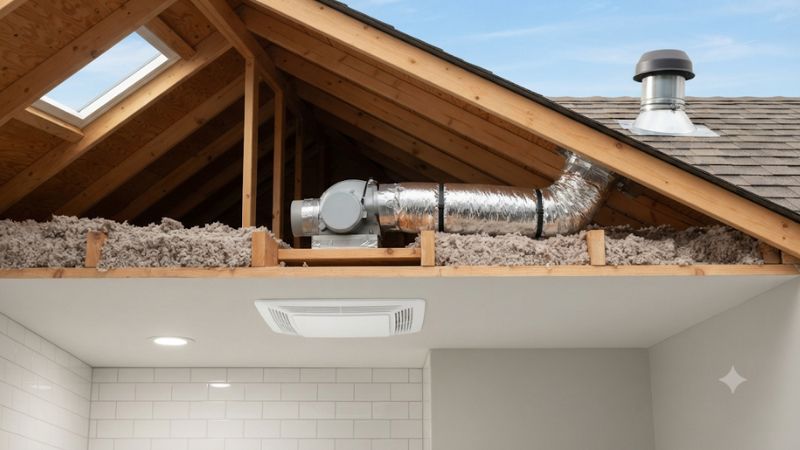
When homeowners discover a bathroom fan venting to attic spaces, they often wonder if this setup meets building codes. In almost all modern jurisdictions, discharging warm, wet air directly into an enclosed ceiling area is highly restricted. This practice leads to persistent condensation issues on your cold wood rafters during winter.
Why Builders Used This Method
Decades ago, many residential contractors routinely routed exhaust ducts directly into open roof spaces. They assumed that large soffit vents and ridge vents would provide enough natural airflow to sweep the moisture away. However, passive airflow is rarely sufficient to handle the concentrated stream of steam from modern daily showers.
This older building practice relied on the assumption that attics remained dry and drafty enough to evaporate moisture quickly. Unfortunately, insulation upgrades in newer homes have sealed these spaces, making them much warmer and more prone to trapping damp air. Consequently, what once seemed acceptable is now recognized as a mistake.
The Impact of Modern Building Codes
Today, strict international residential codes require all exhaust systems to terminate outside the home. Fixing a bathroom fan venting to attic requires installing a dedicated terminal cap on your roof or exterior wall. These updated safety regulations protect home buyers from major structural rot that occurs over several seasons.
Inspectors will instantly flag any unvented exhaust systems when you try to sell your property in the future. Upgrading your system to meet modern standards ensures you pass inspections while maintaining a healthier living environment. It is an investment that preserves both your physical well-being and your long-term property value.
Recognizing the Signs of Trapped Moisture
You might not realize there is a problem until you climb up into the rafters and inspect the wood panels. Look for dark stains, white powdery substances on the plywood, or a strong musty odor that lingers in the air. These subtle warnings indicate that damp air is not escaping through the roof vents as quickly as it should.
In cold weather, you might even observe frost forming on the underside of your roof sheathing or ceiling joists. This frozen moisture eventually melts during warmer afternoon hours, dripping onto your fiberglass insulation below. Over time, saturated insulation loses its thermal effectiveness and ruins your interior drywall ceilings.
How Airflow Dynamics Work
Warm air naturally holds more water vapor than cold air, which makes bathroom exhaust incredibly humid. When this damp air enters a cold ceiling cavity, it immediately cools down to its dew point, releasing liquid water. Without a direct path to the outdoors, this moisture clings to the nearest cold surfaces inside your roof structure.
Your bathroom fan venting to attic setup relies on active mechanical pressure to push heavy, wet air upward. However, without a dedicated exhaust duct, that air simply swirls around the joists and condenses on raw wood. Understanding this basic thermodynamic process helps you see why a direct external vent is absolutely essential.
Identifying the Hidden Damage Risks
The long-term problems of a bathroom fan venting to attic can quietly destroy your home from the inside out. When high humidity levels remain constant, wood-destroying organisms find the perfect environment to thrive and multiply. Addressing these issues early prevents incredibly expensive structural repairs down the road.
| Ventilation Issue Category | Primary Risk Factors Involved | Recommended Mitigation Action | Expected Lifespan Improvement | | Condensation Accumulation | Wood rot and structural decay on rafters | Install an exterior terminal cap | Increases roof life by decades | | Biological Growth | Spores spreading into household air ducts | Clean affected wood and vent outside | Ensures healthy clean air quality | | Thermal Insulation Loss | Reduced energy efficiency and high bills | Replace saturated fiberglass batts | Restores original utility bills | | Aesthetic Ceiling Stains | Drywall damage and unsightly water spots | Seal ventilation leaks and paint | Avoids expensive drywall collapse | | Airflow Restriction | High duct static pressure and fan strain | Replace saggy foil ducts with rigid | Maximizes CFM fan performance |
The Threat of Wood Rot and Decay
Wood rot is one of the most destructive consequences of improper ventilation in residential properties. When wooden rafters remain damp for extended periods, wood-decaying fungi begin to feed on the cellulose fibers. This process slowly softens the wood, eventually compromising the structural integrity of your entire roof support system.
Replacing saggy roof trusses is a massive construction project that can cost thousands of dollars to complete. By ensuring your exhaust fan vents directly to the outside, you protect your wooden roof deck from this decay. Preventing wood rot is far easier and much more affordable than trying to repair damaged structural elements later.
Health Hazards from Mold Spores
The health issues from a bathroom fan venting to attic include severe allergies, asthma attacks, and respiratory infections. Mold thrives on damp organic materials like plywood sheathing, drywall backing, and structural lumber. Once mold colonies establish themselves, they release millions of microscopic spores into the indoor air.
These airborne spores can easily drift down into your main living spaces through light fixtures, attic hatches, or gaps. Living in a home with active mold growth poses a threat to your family, especially children and pets. Keeping your ceiling areas dry by venting exhaust air outside is key to maintaining healthy indoor air.
Saturated Insulation Performance
Fiberglass and cellulose insulation rely on tiny trapped air pockets to resist heat flow between your rooms and the roof. When wet exhaust air settles into these materials, the moisture fills those pockets, destroying their insulating power. This thermal bridging causes your heating and cooling systems to work much harder all year.
Saturated insulation also becomes very heavy, which can cause your ceiling drywall to sag, crack, or pull away. Furthermore, damp insulation provides another ideal breeding ground for harmful mold colonies to spread completely out of sight. Replacing ruined attic insulation is an expensive task that can be avoided with proper ducting.
Ruined Ceiling Drywall
Water droplets forming on cold rafters will eventually drip back down onto the top of your bedroom or bathroom ceilings. As this moisture accumulates on the drywall panels, it creates unsightly yellow, brown, or black water stains. Over time, the structural drywall softens, which can lead to sudden, catastrophic ceiling collapses.
You should never attempt to simply paint over these water stains without fixing the underlying ventilation problems. If you do not modify any bathroom fan venting to attic hardware first, the moisture stains will quickly return. Repairing the drywall and venting the exhaust fan correctly is the only way to solve the issue permanently.
Safe and Effective Correction Strategies
It is highly recommended to replace your bathroom fan venting to attic with a direct exterior ducting path immediately. This home improvement project is surprisingly straightforward and will instantly protect your roof structure from damage. Let us explore the best pathways and materials to complete this essential upgrade successfully.
Routing the Duct Through the Roof
The most direct route for venting a ceiling exhaust fan is straight up through your roof deck using rigid ducting. This method ensures that warm, moist air exits your home quickly without encountering any sharp bends or blockages. You will need to install a heavy-duty roof cap with an integrated damper to prevent cold air backdrafts.
Be sure to apply plenty of high-quality roofing cement around the flashing of your new roof cap to prevent water leaks. Cutting a hole in your shingles can be intimidating, but careful measuring and proper sealing ensure a waterproof result. This path is ideal for homes with steep roofs and open, easily accessible ceiling spaces.
Venting Through a Gable Wall
If you want to avoid cutting holes in your shingles, routing the exhaust duct through a nearby gable wall is a great option. This horizontal path requires running a duct from your exhaust fan across the joists to the exterior siding of your home. You will then install a wall-mounted vent hood that blends seamlessly with your exterior.
Ensure that the duct slopes slightly downward toward the outside wall to allow any condensation to drain safely outdoors. This simple trick prevents water from pooling inside the piping or running back down into your expensive exhaust fan motor. It is a highly reliable alternative that offers excellent moisture management performance.
Choosing the Right Ducting Materials
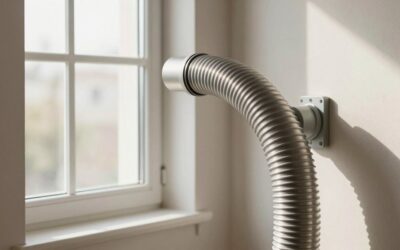
While flexible foil ducts are cheap and easy to install, standard bathroom fan venting to attic systems perform best with rigid metal. Rigid aluminum or galvanized steel ducts have smooth inner walls that minimize air friction and prevent lint buildup. This unrestricted airflow allows your exhaust fan to operate at its peak efficiency.
Additionally, you must wrap your exhaust ducts in thick fiberglass insulation, especially when routing them through cold attic spaces. Insulating the pipes prevents warm, humid air from condensing inside the ductwork before it can reach the outside vent. This vital step keeps the entire exhaust pathway completely dry and efficient.
Installing a Backdraft Damper
A backdraft damper is a critical component that prevents cold outdoor air from rushing back into your warm bathroom. This one-way flap opens easily when your exhaust fan is running, then closes tightly under gravity when you turn the unit off. Without a functional damper, your home will lose significant amounts of heat during winter.
Most modern exhaust fans come with built-in dampers, but adding an in-line spring-loaded damper provides extra wind protection. This double-layer defense is particularly useful in windy areas where drafts can easily bypass basic flap systems. Installing this simple accessory ensures your home remains comfortable and energy efficient.
Final Thoughts on Safe Home Ventilation
Now that you understand the dangers, you should address any issues about a bathroom fan venting to attic safely as soon as possible. Upgrading to a direct external ventilation path protects your roof, improves air quality, and maintains your home value. Take action today to ensure your household remains dry, safe, and healthy forever.
Frequently Asked Questions
Why do builders sometimes leave the duct in the attic?
It happens when a fan is added during a remodel without roof access, when a duct is knocked loose by later attic work such as insulation blowing or cable running, or through simple shortcuts on rushed jobs. Whatever the cause, it is a defect rather than an accepted practice and should be corrected once discovered.
How much moisture does one shower add?
A typical ten-minute hot shower releases roughly half a pint of water as vapor, and a family of four can push several pints per day into the attic. That accumulates far faster than passive ventilation removes it during cold months, which is why damage often appears after a single winter rather than gradually over many years.
Does a roof cap risk leaks?
A properly flashed roof cap installed under the shingle course above and sealed with roofing cement is no more leak-prone than a plumbing vent boot. Poor installation, not the cap itself, causes leaks. If you are not comfortable working on the roof, a gable-wall termination avoids roof penetration entirely and performs just as well.
Will fixing the duct solve existing attic mold?
Fixing the duct stops the moisture source, which is essential, but it does not remove the mold already present. Existing staining needs cleaning or, for larger areas, professional remediation. Have wet insulation assessed too, since compressed and damp fiberglass loses much of its insulating value and can stay damp long after the leak stops.
Do I need a permit to redirect the exhaust duct?
Rules vary by jurisdiction. Simple duct rerouting is often treated as maintenance, but any new roof or wall penetration and any electrical work for a replacement fan may require a permit and inspection. A quick call to your local building department costs nothing and prevents complications when you eventually sell the home.
As an Amazon Associate we earn from qualifying purchases at no extra cost to you.



Write Your Review
No reviews yet. Be the first to share your experience!