
Updated 2026 · Reviewed 10 November 2026 · Author: Best Air Duct Cleaner editorial team · Sources: manufacturer specifications and Amazon listings checked 10 November 2026.
- The short answer
- Quick answer: what is the best leaf vacuum?
- Can I use a household vacuum for leaves?
- How do I choose a leaf vacuum?
- What are the 7 best leaf vacuums?
- Which leaf vacuum should I buy?
- What is the best cordless leaf vacuum?
- What is the best lawn vacuum?
- Should I buy a yard vacuum or a leaf shredder?
- What is the best vacuum for pine needles?
- What should I avoid when buying a leaf vacuum?
- Last verified & changelog
- Other models we considered
- FAQ
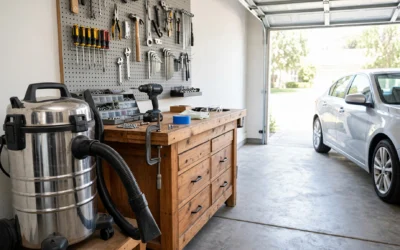
- A leaf vacuum is an outdoor tool that blows, vacuums, and mulches leaves into a large bag. A shop vacuum is a workshop tool that sucks up dust, debris, and liquids indoors or in the garage, but it does not mulch and is slow across a lawn. If your mess is in the garage, see our shop vacuum guide.
- Which leaf vacuum is right for my yard?
Affiliate disclosure: BestAirDuctCleaner.com is reader-supported. When you buy through links on this page, we may earn a commission at no extra cost to you. Prices and availability change often — check the current price on Amazon before you buy.
The short answer
The best leaf vacuum in 2026 is the Toro UltraPlus 51621 for most yards. It has the strongest vacuum airflow of the corded picks at 405 CFM, a metal impeller with a shred ring, and a price usually around $75–$110. For the finest mulch, the Worx WG509 TriVac leads at 18:1, while the cordless Worx WG583 40V is the best pick without a cord. All seven picks are corded or cordless electric — this guide has no gas pick; gas only makes sense at the pro walk-behind scale (see the Billy Goat note under pick #7).
Our top picks at a glance:
- Toro UltraPlus 51621 — Best Overall
- Worx WG509 TriVac — Best Mulch Ratio
- BLACK+DECKER BV6000 — Best Value / Quietest Corded
- Worx WG583 40V — Best Cordless
- Greenworks 40V BVF444 — Best Cordless Power
- Worx WG430 Leaf Mulcher — Best Leaf Shredder
- Sun Joe SBJ803E — Best Walk-Behind / Best for Large Properties
How we choose & verify: Our picks come from manufacturer specifications and Amazon listings, checked 10 November 2026, cross-checked against independent testing from Consumer Reports. Each Amazon link was checked against that model’s listing data to confirm it points to the exact model. We did not hands-on test these products ourselves — rankings are based on published specifications and independent test results, not on lab tests run by us. Prices are ranges observed in November 2026 research, not fixed prices — check the current price before you buy.
— Best Air Duct Cleaner editorial team
Key insight: CFM moves the pile, MPH moves the air — a 250 mph tool with low CFM moves a narrow jet, while the 600 CFM Sun Joe clears a wide path at only 165 mph. Bob Vila’s tested picks lead with gas models (Stihl SH 86 C-E), while this guide is corded/cordless electric only. Mulch ratios are manufacturer claims; treat 16:1–18:1 as marketing, not measured. (Sources: Bob Vila leaf vacuum tests; manufacturer specifications.)
Quick answer: what is the best leaf vacuum?
If you want one pick for most yards, get the Toro UltraPlus 51621. It is a corded 3-in-1 blower, vacuum and mulcher with the strongest vacuum airflow of the corded picks in this guide, a metal impeller that shreds leaves finely, and a price that usually lands around $100 or less. The only real catch is the extension cord.
Want the finest mulch? Get the Worx WG509 TriVac. Its two-stage metal impeller is rated at an 18:1 mulch ratio — the highest in this guide — so 18 bags of dry leaves become roughly one bag of mulch for the compost pile or the curb.
Want cordless? Get the Worx WG583 40V. It is a true cordless 3-in-1 blower-vac-mulcher with two 4.0Ah batteries included, so you can work far from an outlet without gas, oil or a pull cord.
Have a big property? Get the Sun Joe SBJ803E walk-behind lawn vacuum. It is a 14-amp corded electric 3-in-1 that vacuums, blows and mulches with 600 CFM and a 15:1 reduction ratio — the walk-behind idea at about $120, with no gas, oil or pull cord.
The rest of this guide covers all seven picks — three corded handhelds, two cordless blower-vacs, a standalone leaf mulcher, and a walk-behind lawn vacuum — plus how to choose by yard size, leaf type and power source, and what to buy if your main problem is pine needles.
In this guide: Leaf vacuum vs. household vacuum · How to choose · Comparison table · The 7 picks · Best cordless leaf vacuums · Best lawn vacuums · Best yard vacuums and leaf shredders · Best vacuums for pine needles · FAQ
Can I use a household vacuum for leaves?
A leaf vacuum is an outdoor tool, not an indoor vacuum that happens to work outside. The two jobs have almost nothing in common:
- A household vacuum (stick, upright, canister, robot) is built for floors, dust and pet hair inside the home. It has a brushroll or soft roller, a small bin, and filtration designed for indoor air. Take it outside and it will clog on wet leaves, choke on twigs, and fill its bin in about a minute.
- A leaf vacuum (usually sold as a blower-vac or blower-vac-mulcher) is built for the yard. It sucks up leaves, grass clippings and light debris through a wide tube, shreds them with a metal impeller, and drops the mulch into a large shoulder bag. There is no brushroll, no HEPA filter and no hard-floor head — because none of those things matter outdoors.
- A shop vacuum sits in between. It can suck up leaves in a garage or on a patio, and it handles wet debris and sawdust that a leaf vacuum cannot. But it does not mulch, and dragging a shop vac around a lawn is slow work. If your mess is mostly in the garage or workshop, see our shop vacuum guide instead — and for wet messes, our wet dry vacuum guide.
The short version: if the leaves are on the lawn, in the beds or on the driveway, you want a leaf vacuum. If the dirt is on the floor inside, you want one of the indoor picks in our best vacuums guide. This article covers only the outdoor side.
How do I choose a leaf vacuum?
Most leaf vacuums look alike in a product photo — a tube, a bag, a motor. What separates a good buy from a regret is how it matches your yard. Work through these six checks.
1. Blower vs. vacuum vs. mulcher/shredder — which job do you actually need?
Almost every product in this guide is a 3-in-1: it blows, vacuums and mulches. But the three modes are not equal on every model, and the mode you use most should drive the choice.
- Blower mode moves leaves into a pile or off a driveway. It is the fastest way to clear a large, open area — but it does not remove anything. You still have to pick the leaves up.
- Vacuum mode sucks leaves up and into a bag. It is slower than blowing, but it actually removes the leaves, which is what you want in beds, along fences and in corners where a pile cannot sit.
- Mulcher / shredder mode is what happens inside the vacuum: an impeller chops the leaves as they pass through. This is the feature that saves you the most work, because shredded leaves take up far less bag space. A standalone mulcher (like the Worx WG430 below) does only this job — you rake or blow leaves into it first — but it shreds far more volume than any handheld.
Rule of thumb: if you mostly clear open lawn, prioritize blower power. If you mostly clean beds, patios and corners, prioritize vacuum suction and bag size. If you compost or you pay per bag at the curb, prioritize the mulch ratio.
2. Corded vs. cordless vs. gas
| Power source | Best for | Main drawback |
|---|---|---|
| Corded electric (12–14 amp) | Most suburban yards; best value, unlimited runtime | Extension cord limits range; you need an outdoor outlet |
| Cordless (battery, 40V class) | Small to medium yards, areas far from outlets, quick cleanups | Runtime is limited on high power; batteries and chargers add cost |
| Gas / walk-behind | Large properties, heavy leaf fall, commercial use | Noise, fuel, maintenance, weight and price |
For most homeowners, corded electric is the best value: a 12-amp blower-vac costs under $100, never runs out of charge, and is strong enough for a quarter-acre lot. Cordless is worth it if your yard is far from an outlet or you hate managing a cord — but check whether the kit includes batteries, because a “tool only” price can be misleading. Gas only makes sense at the walk-behind scale in this guide; a handheld gas blower-vac is louder, heavier and harder to start than the electric options, and none of the top-rated handheld picks in 2026 research is gas.
3. CFM vs. MPH — read both numbers
Manufacturers quote two airflow numbers, and they measure different things:
- CFM (cubic feet per minute) is air volume — how much air the tool moves. This is the number that matters most for vacuuming and for moving big piles of leaves. Higher CFM clears a wider path.
- MPH (miles per hour) is air speed — how fast the air leaves the tube. This matters for dislodging wet, matted leaves and debris stuck to pavement.
A tool with high CFM and moderate MPH (the Toro 51621: 340 CFM blow / 405 CFM vacuum) is usually better for leaf cleanup than a tool with very high MPH and low CFM, which feels powerful on a driveway but moves a narrow stream of air. For vacuum mode specifically, look at the vacuum CFM if the manufacturer publishes it — not all of them do.
4. Mulch ratio — and why to discount it
The mulch ratio (10:1, 16:1, 18:1) says how many bags of whole leaves become one bag of mulch. It is a manufacturer claim, measured with dry leaves under ideal conditions. Independent testers consistently find real-world ratios run 30–40% lower than the claim, and wet leaves or pine needles reduce it further. So treat the ratio as a ranking, not a promise: an 18:1 tool shreds finer than a 12:1 tool, but neither will turn 18 real bags into exactly one.
What actually drives a good ratio is a metal impeller rather than a plastic one. Metal impellers chop twigs and damp material without jamming or dulling as fast. All of the corded picks in this guide have one.
5. Bag capacity and weight
A leaf vacuum’s bag is its fuel tank: when it is full, you stop and empty it. Handheld blower-vacs typically carry a 1.2-bushel (about 10–14 gallon) shoulder bag; cordless models are similar, and some newer ones go up to a 17-gallon bag. A bigger bag means fewer stops, but a full bag of mulched leaves is heavy — and you carry it on your shoulder. If you have a bad back or a big yard, a walk-behind lawn vacuum with a large bottom-loading bag is a better answer than a bigger shoulder bag.
On weight: most handheld blower-vacs are 8–10 lb in blower mode, a little more with the vacuum tube and a full bag. Under about 9 lb feels light for an hour of work. Cordless models add battery weight, so check the weight with batteries, not the bare-tool weight.
6. What a leaf vacuum cannot do
Be honest about the limits before you buy:
- Wet, matted leaves clog every handheld leaf vacuum. Let leaves dry, or blow them into a pile first and vacuum them the next day.
- Sticks, stones and acorns jam impellers and tear bags. Rake the big stuff out first.
- Pine needles are the hardest common debris (see the pine-needle section below) — they slip through shredders and mat together when wet.
- A leaf vacuum is not a lawn mower or a chipper. It will not handle branches thicker than a pencil, and it will not replace a chipper-shredder for woody prunings.
What are the 7 best leaf vacuums?
Prices below are ranges observed in November 2026 research, not fixed prices. Corded models in particular are discounted heavily in fall — check the current price before buying.
| # | Leaf vacuum | Type | Best for | Price range* | Mulch ratio | CFM | MPH | Score |
|---|---|---|---|---|---|---|---|---|
| 1 | Toro UltraPlus 51621 | Corded 3-in-1 | Best overall | $75–$110 | Up to 97% reduction (mfr.) | 340 blow / 405 vac | 260 | 9.5 |
| 2 | Worx WG509 TriVac | Corded 3-in-1 | Best mulch ratio (18:1) | $79.98 | 18:1 (mfr.) | 350 | 210 | 8.5 |
| 3 | BLACK+DECKER BV6000 | Corded 3-in-1 | Best value / quietest corded | $79–$99 | 16:1 (mfr.) | 400 | 250 | 8.5 |
| 4 | Worx WG583 40V | Cordless 3-in-1 | Best cordless leaf vacuum | $200–$280 | 12:1 (mfr.) | 340 | 210 | 9.0 |
| 5 | Greenworks 40V Blower/Vac BVF444 | Cordless 3-in-1 | Best cordless power, big bag | $150–$300 | 12:1 (mfr.) | 505 | 230 | 8.5 |
| 6 | Worx WG430 Leaf Mulcher | Standalone mulcher | Best leaf shredder | $120–$200 | 11:1 (mfr.) | — (mulcher) | — (mulcher) | 8.0 |
| 7 | Sun Joe SBJ803E | Walk-behind 3-in-1 (corded electric) | Best for large properties | $120–$190 | 15:1 (mfr.) | 600 | 165 | 8.5 |
Top picks price-checked 10 November 2026 against Amazon listings and retailer prices; prices change often — confirm the current price before you buy.
Score is our editor’s rating out of 10 for the pick’s “Best for” role, based on published specifications, independent test results where available, and price. 9.5 = best overall; 9.0 = best in its niche with no major weakness; 8.5 = strong niche pick with one notable trade-off; 8.0 = good pick with clear limitations; 7.5 = usable pick with a significant caveat (see its Cons). Where the pick’s section quotes a published test score (RTINGS, Vacuum Wars, TechGearLab, Consumer Reports, CleanTheFloor, TechRadar), the score reflects it. We did not hands-on test these products — scores are editorial judgments from published data, not lab measurements.
* Price ranges observed 10 Nov 2026 from manufacturer, retailer and independent-tester listings. Check current price.
Which leaf vacuum should I buy?
1. Toro UltraPlus 51621 — Best overall leaf vacuum
Independent test data: In Consumer Reports lab testing, the Toro Ultra Plus 51621 topped CR’s corded-electric blower tests, rivaling gas-powered handheld blowers at moving leaves; in vacuum tests it shredded leaves to about a 3:1 ratio, and sweeping and loosening worked best without the oscillating nozzle (Consumer Reports, “Two Toro Leaf Blowers Pack a Punch”).
Best for: Most suburban yards — the best all-round corded blower-vac if you can live with an extension cord.
The Toro 51621 UltraPlus is the leaf vacuum that independent reviewers keep naming best overall, and the reason is simple: it is the strongest vacuum in the corded class. Toro rates it at 340 CFM blowing and 405 CFM in vacuum mode, with air speeds up to 260 mph from a 12-amp motor. That vacuum CFM is the highest of the corded picks here, which is what you feel when you are sucking leaves out of a flower bed instead of just pushing them around.
It is a true 3-in-1: blower, vacuum and mulcher, with a metal impeller plus Toro’s Shredz-All shred ring. Toro claims the combination reduces leaves by up to 97% — often described as roughly 16:1. Treat that number with the usual caution: Consumer Reports testing found the real-world reduction closer to about 3:1 for the 51621 versus about 2:1 for the cheaper Toro 51609 without the shred ring — still the best of the two, but a reminder that no manufacturer ratio survives contact with damp autumn leaves. It also ships with an oscillating nozzle that sweeps air back and forth, so you cover a wider path on driveways without moving your wrist.
At about 9 lb it is easy to carry, and it is one of the cheapest tools in this guide — observed between roughly $60 and $110 depending on retailer and season. The trade-offs are the ones every corded tool shares: you need an outdoor extension cord, and switching between blower and vacuum mode takes a tube change rather than a flip of a switch.
Key specs:
- Motor: 12-amp; 340 CFM blowing / 405 CFM vacuum; up to 260 mph
- Shredding: metal impeller + Shredz-All ring; up to 97% reduction claimed
- Weight: about 9 lb; oscillating nozzle included
- Price: $75–$110 observed
Pros
- Strongest vacuum airflow of the corded picks (405 CFM in vacuum mode)
- Metal impeller + Shredz-All ring shreds finer than the cheaper Toro 51609
- Oscillating nozzle covers a wider path on hard surfaces
- Usually the cheapest pick in this guide
Cons
- Corded — range is limited by your extension cord
- Mode changes need a tube swap, not a one-lever flip
- Manufacturer mulch claims are optimistic; expect less reduction with wet leaves
Price: $75–$110 range, checked 10 November 2026. Check current price on Amazon
Running costs: No fuel; the collection bag and mulching parts wear out — budget for spares.
2. Worx WG509 TriVac — Best mulch ratio
Best for: Gardeners who compost, or anyone who pays per bag at the curb and wants the finest mulch.
The Worx WG509 TriVac is the mulch champion of this guide. Its two-stage, all-metal impeller is rated at an 18:1 mulch ratio — 18 bags of dry leaves into one — the highest claimed ratio of any handheld pick here. In independent roundups it is consistently the runner-up or co-winner on shredding quality, and the metal impeller chews through small twigs that would stall a plastic fan.
It is a 12-amp corded 3-in-1 with 350 CFM and up to 210 mph, two speeds, and a 1.2-bushel collection bag. The feature owners mention most is the mode switch: it flips from blower to vacuum with a lever, no tube swap and no tools, which matters when you are switching modes a dozen times in one cleanup. In blower mode it weighs about 8.6 lb; with the vacuum tube attached it is closer to 9.3 lb.
Prices observed in November 2026 ranged from about $70 to $115, with the list price around $100 — it is frequently discounted in fall, so it is often the cheapest way to get an 18:1 mulcher. The weak points are the bag (it fills fast on a big lot, and the shoulder strap is basic) and the cord, as with every corded pick.
Key specs:
- Motor: 12-amp; 350 CFM / up to 210 mph
- Mulch ratio: 18:1 claimed; two-stage all-metal impeller
- Bag: 1.2-bushel; flip-lever mode change, no tube swap
- Weight: about 8.6 lb in blower mode; price $79.98 observed
Pros
- Best claimed mulch ratio in this guide (18:1) — fewest bags to haul
- Flip-lever mode change, no tube swap
- All-metal two-stage impeller handles small twigs
- Often under $100 on sale
Cons
- 1.2-bushel bag fills quickly on a large yard
- Corded — needs an extension cord
- Real-world mulch ratio is lower than 18:1, especially with damp leaves
Price: $79.98 on Amazon, checked 10 November 2026 (list $129.99). Check current price on Amazon
Running costs: No fuel; the collection bag and mulching parts wear out — budget for spares.
3. BLACK+DECKER BV6000 — Best value / quietest corded leaf vacuum
Best for: Small to medium yards, and anyone with close neighbors — this is the quietest corded pick here.
The BLACK+DECKER BV6000 is the value pick that does nothing flashy and everything well. It is a 12-amp corded 3-in-1 with 400 CFM and 250 mph, a 16:1 mulch ratio from a high-impact metal fan, and a 14-gallon collection bag. That 400 CFM figure is the highest blower airflow of the corded handhelds in this guide, which makes it genuinely good at clearing driveways and patios, not just vacuuming beds.
Its real selling point is noise. BLACK+DECKER rates it as 50% quieter than comparable models, and independent testers measured it at around 68 dB — noticeably quieter than the Worx or Toro in side-by-side use. At about 8 lb it is also the lightest corded pick here. It lists at $99 and was observed between $79 and $110 in November 2026, making it the best budget 3-in-1 for a yard under about a quarter acre.
The limits are honest ones: the bag is carried on your shoulder, so a full bag gets heavy; wet, heavy debris clogs it faster than the Toro; and like every corded tool, it is tied to an outlet. But for a small or medium yard, it is hard to beat at the price.
Key specs:
- Motor: 12-amp; 400 CFM / 250 mph
- Mulch ratio: 16:1; high-impact metal fan
- Noise: about 68 dB measured; about 50% quieter than comparable models (manufacturer)
- Weight: about 8 lb; bag 14 gallons; price $79–$99 observed
Pros
- Highest corded blower airflow here (400 CFM) at a budget price
- Quietest corded pick — about 50% quieter than comparable models, per the manufacturer
- Lightest corded pick (about 8 lb)
- 16:1 mulch ratio with a metal fan that resists clogging
Cons
- Struggles more than the Toro with wet, heavy debris
- Shoulder bag gets heavy when full
- Corded — needs an extension cord
Price: $79–$99 range, checked 10 November 2026 (list $99). Check current price on Amazon
Running costs: No fuel; the collection bag and mulching parts wear out — budget for spares.
4. Worx WG583 40V — Best cordless leaf vacuum
Best for: Small to medium yards far from an outlet, and anyone who already owns Worx 20V PowerShare batteries.
The WG583 is the cordless version of the TriVac idea: a 40V (2x20V) brushless 3-in-1 blower, vacuum and mulcher with 340 CFM and up to 210 mph, a 12:1 mulch ratio, and a wheeled vacuum tube that takes some of the weight off your arm in vacuum mode. The kit includes two 4.0Ah PowerShare batteries and a dual-port quick charger — and because it runs on the same 20V batteries as 140+ other Worx tools, spare batteries are easy to come by if you are already in the system.
That is the key buying check: make sure you are buying the kit with batteries (WG583), not the bare tool (WG583.9), which is cheaper but useless without batteries you already own. The kit was observed at $200–$280 in November 2026 (Tractor Supply listed it at $279.99; deal trackers found it near $200 on sale), against a list price around $300.
Runtime is the honest trade-off. On high power, two 4.0Ah batteries will not last as long as a corded tool’s unlimited runtime — expect to plan cleanups in sessions, or keep a second set of batteries charged. For a small yard or a quick weekly cleanup, that is a fair trade for losing the cord. For a half-acre of mature oaks in November, buy the corded Toro or Worx instead.
Key specs:
- Power: 40V (2x20V) brushless; 340 CFM / up to 210 mph
- Batteries: two 4.0Ah PowerShare batteries + dual-port quick charger included in kit
- Mulch ratio: 12:1; wheeled vacuum tube
- Price: $200–$280 observed for the kit (list about $300)
Pros
- True cordless 3-in-1 — blow, vacuum and mulch with no cord and no gas
- Two 4.0Ah batteries and a fast dual charger included in the kit
- Brushless motor; batteries work across the Worx PowerShare system
- Wheeled vacuum tube reduces arm fatigue
Cons
- Runtime is limited on high power — plan sessions, or own spare batteries
- Costs roughly 2–3x a comparable corded blower-vac
- Watch out for the bare-tool version (WG583.9) sold without batteries
Price: $200–$280 range observed Nov 2026 for the kit with batteries (list ~$300). Check current price on Amazon
Running costs: No fuel; the battery is the wear item — it uses the maker’s 40V platform, so a spare battery works across tools.
5. Greenworks 40V Blower/Vac BVF444 — Best cordless power and biggest bag
Best for: Cordless buyers who want the strongest airflow and the fewest bag-emptying stops.
If the Worx WG583 is the best cordless all-rounder, the Greenworks BVF444 is the cordless power pick. It is a 40V brushless blower-vac with 505 CFM and 230 mph — the highest airflow of any cordless pick in this guide, and higher than every corded handheld here too. It also has the biggest collection bag of the handhelds: a 17-gallon bag, versus the 10–14 gallons typical elsewhere, so you stop to empty less often.
The kit includes a 5.0Ah battery and charger, a 12:1 mulch ratio, tool-free conversion between blower and vacuum modes, and a variable-speed trigger with cruise control. It lists at $299.99 but was observed on sale at $149.99 in October–November 2026, so the real-world range is roughly $150–$300 — watch for fall sales, because this is a tool that is frequently half price. Greenworks backs it with a 3-year warranty, and the battery fits the company’s 75+ tool 40V system.
The caveats are the usual cordless ones: a 5.0Ah battery is a lot of weight in your hand, runtime on turbo is short, and the tool-only version (sold without battery) looks much cheaper than it really is once you add a battery and charger. Check the listing carefully before you buy.
Key specs:
- Power: 40V brushless; 505 CFM / 230 mph
- Battery: 5.0Ah included in kit; 3-year warranty
- Bag: 17 gallons — largest handheld bag here; mulch ratio 12:1
- Price: $150–$300 observed (list $299.99; seen at $149.99 on sale)
Pros
- Strongest cordless airflow here (505 CFM / 230 mph)
- Largest handheld collection bag (17 gallons)
- 5.0Ah battery and charger included in the kit; 3-year warranty
- Frequently half price in fall sales — best cordless value when discounted
Cons
- Heavy with the 5.0Ah battery attached
- Short runtime on turbo; buy a spare battery for big yards
- Tool-only listings look cheap — confirm the kit includes battery and charger
Price: $150–$300 range observed Nov 2026 (list $299.99, seen on sale at $149.99). Check current price on Amazon
Running costs: No fuel; the battery is the wear item — it uses the maker’s 40V platform, so a spare battery works across tools.
6. Worx WG430 Leaf Mulcher — Best standalone leaf shredder
Best for: Big leaf volume and composting — when you have already gathered the leaves and want them shredded fast.
The WG430 is a different kind of tool from everything else in this guide: it does not blow and it does not vacuum. You feed leaves into the top by hand (or rake them in), and it shreds them into a bag underneath. That single-mindedness is why it out-shreds every handheld: a 13-amp motor at 8,500 RPM processes up to 53 gallons of leaves per minute at an 11:1 mulch ratio, using a blade-less Flex-a-Line string system instead of metal blades.
Why would you buy a tool that cannot pick leaves up? Because if you have several mature trees, the bottleneck is not collecting leaves — it is what to do with them. A handheld blower-vac shreds leaves one tube-width at a time. The WG430 eats a wheelbarrow of leaves in minutes and drops fine mulch straight into a bag you can carry to the compost pile or the curb. It folds for storage, weighs about 20 lb, and the cutting line is replaceable (24 spare lines are included).
It lists at $199.99 and was observed between $120 and $200 in November 2026, with Amazon deal trackers finding it near $125 on sale. Two honest limits: the collection bag is not included, so budget for one; and it is for dry leaves — wet, matted material will clog the Flex-a-Line head, and it will not chip branches.
Key specs:
- Motor: 13-amp at 8,500 RPM; blade-less Flex-a-Line string system
- Throughput: up to 53 gallons of leaves per minute; mulch ratio 11:1
- Weight: about 20 lb; folds for storage; 24 spare lines included
- Price: $120–$200 observed (list $199.99); collection bag not included
Pros
- Highest throughput in this guide — up to 53 gallons of leaves per minute
- Fine, even mulch that is ideal for compost and garden beds
- Blade-less Flex-a-Line system — no blades to sharpen or replace
- Folds flat for storage
Cons
- Does not blow or vacuum — you gather the leaves first
- Collection bag not included
- Clogs on wet, matted leaves; will not chip branches
Price: $120–$200 range observed Nov 2026 (list $199.99). Check current price on Amazon
Running costs: Flex-a-Line strings wear out — 24 spares are included in the box.
7. Sun Joe SBJ803E — Best walk-behind leaf vacuum for large properties
Best for: Large lawns and driveways — when a handheld tool would take all weekend, but a $1,500 gas machine is overkill.
The Sun Joe SBJ803E is not a handheld tool at all. It is a walk-behind, corded-electric 3-in-1 vacuum, blower and mulcher with a 14-amp motor, 600 CFM of airflow and up to 165 mph, an 18.9-inch clearing width and a 15:1 mulching ratio. You push it across the lawn like a mower, and it inhales leaves, seeds, grass clippings and light litter from turf and hard surfaces alike, shredding them into an 8-gallon collection bag. A two-position height adjustment lets you switch between grass and pavement.
This is the right tool when the property is the problem: a half-acre or more, several mature trees, or a driveway and patio that collect leaves faster than you can bag them. Unlike the handheld picks, you do not carry the weight — the machine rolls on wheels, and at about 14.5 lb it is far lighter than any gas walk-behind. It lists at $119.99 and was observed at roughly $120–$190 in November 2026, depending on seller.
Be clear-eyed about it: the SBJ803E is a residential tool, not a commercial one. It needs an extension cord, it is built for dry, light material — wet, matted leaves and sticks will clog it — and it will not match a gas walk-behind on a huge estate or for daily commercial use. For most large suburban yards, though, it is the sensible middle ground between a handheld blower-vac and a pro-grade gas machine. Bob Vila’s walk-behind pick, the self-propelled Billy Goat KV601SP, is not a numbered pick here for the same reason as the KV601: it is a roughly $1,500-plus gas machine sold through dealers, with no verified Amazon listing — and at that price it is a different buying decision from a $120 electric walk-behind.
Key specs:
- Motor: 14-amp corded electric; 600 CFM / up to 165 mph
- Clearing width: 18.9 inches; bag 8 gallons; mulch ratio 15:1
- Weight: about 14.5 lb; two-position height adjustment
- Price: $120–$190 observed (list $119.99)
Pros
- Walk-behind design clears large areas far faster than any handheld
- Strongest airflow in this guide (600 CFM) with mulching built in — unlike gas walk-behinds that only collect
- Light for a walk-behind (about 14.5 lb) and pushable on wheels, no carrying
- No gas, oil or pull cord — starts with a switch
Cons
- Corded — range is limited by your extension cord
- Residential build — not for heavy commercial use or wet, matted debris
- 8-gallon bag fills fast on a very large lot
Price: $120–$190 range observed Nov 2026 (list $119.99). Check current price on Amazon
Running costs: No fuel; the collection bag and mulching parts wear out — budget for spares.
Pro-grade alternative: gas-powered walk-behinds such as the Billy Goat KV601 (27-inch intake, 151-litre bag, about $1,490–$1,550) are sold through dealers rather than Amazon — there is no verified Amazon listing for the KV601, so check a local dealer if you need that class of machine.
What is the best cordless leaf vacuum?
If you have read this far and you know you want cordless, here is the shortlist without the corded noise:
| Pick | Why it wins cordless | Price range* | Score |
|---|---|---|---|
| Worx WG583 40V | Best all-round cordless 3-in-1; two batteries included; wheeled vac tube | $200–$280 | 9.0 |
| Greenworks 40V BVF444 | Strongest cordless airflow (505 CFM); biggest bag (17 gal); often half price on sale | $150–$300 | 8.5 |
| Greenworks 40V 24322 (4.0Ah) | Lighter entry into the Greenworks 40V system; 340 CFM / 185 mph | $249.99 | 8.0 |
Score is our editor’s rating out of 10 for the pick’s “Best for” role, based on published specifications, independent test results where available, and price. 9.5 = best overall; 9.0 = best in its niche with no major weakness; 8.5 = strong niche pick with one notable trade-off; 8.0 = good pick with clear limitations; 7.5 = usable pick with a significant caveat (see its Cons). Where the pick’s section quotes a published test score (RTINGS, Vacuum Wars, TechGearLab, Consumer Reports, CleanTheFloor, TechRadar), the score reflects it. We did not hands-on test these products — scores are editorial judgments from published data, not lab measurements.
Two buying rules for cordless leaf vacuums. First, always check what is in the box. “Tool only” listings are common and look like a bargain until you add a $100+ battery and charger. The prices above are for kits with battery and charger. Second, buy the battery system, not just the tool. If you already own Ryobi 40V, EGO 56V or Greenworks 40V tools, the cheapest cordless leaf vacuum is the one that uses batteries you already have.
One honest note: the EGO Power+ LB7654 (765 CFM, 56V, about $359 for the kit) is one of the best cordless leaf blowers you can buy — but it is a blower only. It has no vacuum or mulcher mode, so it does not belong in a leaf-vacuum roundup. If you mostly blow leaves off a driveway and you already own EGO batteries, it is a great tool; if you need to collect and shred leaves, buy one of the blower-vacs above instead.
What is the best lawn vacuum?
A “lawn vacuum” means a walk-behind machine, not a handheld. The distinction matters because the use case is different: handhelds are for beds, patios and corners; lawn vacuums are for covering ground.
- Best overall lawn vacuum: Sun Joe SBJ803E — 14-amp corded electric walk-behind, 600 CFM, 15:1 mulch ratio, 8-gallon bag, about $120. No gas, oil or pull cord.
- Best pro-grade lawn vacuum: Billy Goat KV601 — 27-inch intake, 151-litre bag, gas power, built for large properties and light commercial work, about $1,490–$1,550. Sold through dealers; there is no verified Amazon listing, so check a local dealer.
- Best self-propelled lawn vacuum: Billy Goat KV601SP — the same machine as the KV601 with self-propelled rear-wheel drive, worth the premium on slopes or for anyone who does not want to push ~130 lb.
If your lawn is under a quarter acre, you do not need a lawn vacuum — a handheld 3-in-1 and a rake will be faster and cheaper. A lawn vacuum earns its keep at a half acre and up, or anywhere leaves fall faster than one person can bag them.
Should I buy a yard vacuum or a leaf shredder?
“Yard vacuum” and “leaf shredder” are two names for the same job done two ways:
- A yard vacuum (blower-vac) collects and shreds in one pass. Best picks: Toro 51621 (best overall), Worx WG509 (best mulch ratio, 18:1), BLACK+DECKER BV6000 (best value). These are the right choice when leaves are scattered across the yard and you want to collect them where they fall.
- A leaf shredder / standalone mulcher only shreds — you bring the leaves to it. Best pick: Worx WG430 (13-amp, 11:1, up to 53 gallons per minute). This is the right choice when you have already raked or blown leaves into piles and your problem is volume: turning a mountain of leaves into a bag or two of mulch for compost or curbside pickup.
Many homeowners end up with both: a handheld blower-vac for weekly cleanup and a standalone mulcher for the big autumn drop. If you can only buy one, buy the blower-vac — it does the collecting, which is the part you cannot do with a rake alone.
What is the best vacuum for pine needles?
Pine needles are the hardest test for any leaf vacuum, and it is worth saying so plainly. Needles are thin, springy and resinous: they slip past shredder impellers instead of being cut, they mat together when wet, and they clog bags faster than broad leaves do. No handheld leaf vacuum handles pine needles as well as it handles oak or maple leaves.
What works best:
- Best handheld for pine needles: Toro UltraPlus 51621. Its Shredz-All shred ring and metal impeller do a better job of pulverizing needles than a plain impeller, and its 405 CFM vacuum airflow pulls needles out of grass instead of pushing them around. Vacuum needles when they are dry — wet needles mat and clog every machine.
- Best standalone for pine needles: Worx WG430. Feed dry needles in slowly, in small handfuls, and let the Flex-a-Line system work. Do not force wet clumps through it.
- What to avoid: a low-CFM blower-vac with a plastic impeller. It will scatter needles across the lawn and jam on the first damp pile.
Practical tips that matter more than the model: rake needles off the lawn into a pile first, let them dry for a day if they are wet, vacuum in short passes with the tube close to the ground, and empty the bag often — a bag full of needles is heavier than the same bag full of shredded leaves. If pine needles are your main problem and you have a large area of them, a walk-behind lawn vacuum (Sun Joe SBJ803E) will clear them faster than any handheld, because the wide intake does not rely on a narrow tube.
What should I avoid when buying a leaf vacuum?
- A blower-only tool sold as a “leaf vacuum.” Check the listing: if it does not have a vacuum tube and a collection bag, it does not vacuum. The EGO LB7654 is the classic example — an excellent blower, not a leaf vacuum.
- “Tool only” cordless listings. A $120 bare tool becomes a $250 purchase once you add a battery and charger. Always confirm the kit contents.
- Buying by MPH alone. A 250 mph tool with low CFM moves a narrow jet of air. For leaf cleanup, CFM (air volume) matters at least as much.
- A plastic impeller on a mulcher. Metal impellers last longer, handle twigs, and shred finer. Every pick in this guide has a metal impeller or a blade-less string system for a reason.
- Vacuuming wet leaves. Every handheld leaf vacuum clogs on wet, matted material. Let leaves dry, or blow them into a pile and vacuum the next day.
- A walk-behind vacuum for a small yard. A walk-behind on a quarter-acre lot is like a riding mower on a patio — impressive, unnecessary, and nowhere to store it.
Last verified & changelog
Last verified: 10 November 2026. Prices, availability and specs were re-checked against manufacturer listings and Amazon on this date; prices change often, so check the current price before buying.
-
Round 5 (10 Nov 2026): added independent test data for Toro UltraPlus 51621.
-
Added a key-insight box plus CFM and MPH columns to the comparison table; running-cost and common-complaint lines per pick; Score column added.
- KV601 replaced by the Sun Joe SBJ803E (ASIN B07YGZ7Q3M, verified via CamelCamelCamel per the notes); Greenworks 24322 (4.0Ah) $249.99 (Northern Tool).
- Round 3 (10 Nov 2026): gas scope stated in the intro, and the Billy Goat KV601SP non-pick explained under pick #7.
Other models we considered
- Billy Goat KV601 and KV601SP — Bob Vila’s walk-behind picks; the KV601 has a 27-inch intake and a 151-litre bag at about $1,490–$1,550, and the self-propelled KV601SP costs more. Both are gas machines sold through dealers with no verified Amazon listing, so the Sun Joe SBJ803E (ASIN B07YGZ7Q3M) is the walk-behind pick here.
- Stihl SH 86 C-E and Husqvarna 125BVx — gas handhelds that appear in Bob Vila and Family Handyman top picks. This guide is corded/cordless electric only, so neither is a numbered pick.
- Gas handheld blower-vacs generally — louder, heavier and harder to start than electric; none of the top-rated handheld picks in the 2026 research was gas.
FAQ
What is the best leaf vacuum for most yards?
The Toro UltraPlus 51621 is the best leaf vacuum for most yards. It is a corded 3-in-1 blower, vacuum, and mulcher with the strongest vacuum airflow of the corded picks at 405 CFM, a metal impeller with a shred ring, and a price usually around $75–$110. If you want the finest mulch instead, get the Worx WG509 TriVac at 18:1.
What is the best cordless leaf vacuum?
The Worx WG583 40V is the best cordless leaf vacuum. It is a true cordless 3-in-1 with two 4.0Ah batteries and a charger in the kit, 340 CFM, and a 12:1 mulch ratio, usually $200–$280. The Greenworks 40V BVF444 is the power alternative at 505 CFM with a 17-gallon bag, often on sale near $150.
Are leaf blower vacuums worth it, or should I just use a blower?
A blower is faster for clearing open lawn, but it does not remove anything, so you still have to rake or bag the pile. A blower-vacuum collects and shreds as it goes, which is what you want in beds, along fences, in corners, and anywhere leaves cannot sit in a pile.
What is the best leaf vacuum for pine needles?
The Toro UltraPlus 51621 is the best pick for pine needles, thanks to its shred ring and 405 CFM vacuum airflow, but vacuum needles when they are dry, because wet needles mat and clog every machine. For areas of pine needles, a walk-behind lawn vacuum like the Sun Joe SBJ803E clears them faster than any handheld.
What is a good mulch ratio for a leaf vacuum?
Most good blower-vacs are rated between 10:1 and 18:1. Anything from about 12:1 upward makes a real difference to how many bags you fill. Remember the figures assume dry leaves, so expect 30–40% less reduction in practice, and less again with damp material or pine needles. A metal impeller matters more than the headline number.
Can a leaf vacuum pick up wet leaves?
It can, badly. Wet, matted leaves clog the tube, jam the impeller, and fill the bag with heavy sludge. Let leaves dry first, or blow them into a pile and vacuum them the next day. For regular wet debris, a wet dry vacuum is the better tool, because it is built for wet pickup and does not try to mulch.
Do I need a gas leaf vacuum?
Almost certainly not, unless you are clearing a large property. Modern corded electric blower-vacs match or beat handheld gas models on suction, cost half as much, start with a switch instead of a pull cord, and need no fuel or oil. Gas only makes sense at the pro walk-behind scale, for machines sold through dealers.
What is the difference between a leaf vacuum and a shop vacuum?
A leaf vacuum is an outdoor tool that blows, vacuums, and mulches leaves into a large bag. A shop vacuum is a workshop tool that sucks up dust, debris, and liquids indoors or in the garage, but it does not mulch and is slow across a lawn. If your mess is in the garage, see our shop vacuum guide.
Which leaf vacuum is right for my yard?
- Most yards: Toro UltraPlus 51621 — best overall, strongest corded vacuum, usually $75–$110.
- Finest mulch: Worx WG509 TriVac — 18:1 ratio, flip-lever mode change, often under $100 on sale.
- Best value / quietest: BLACK+DECKER BV6000 — 400 CFM, 16:1, about 8 lb, $79–$99.
- Best cordless: Worx WG583 40V — true 3-in-1 with two batteries in the kit, $200–$280.
- Best cordless power: Greenworks 40V BVF444 — 505 CFM, 17-gallon bag, often half price on sale.
- Best shredder: Worx WG430 Leaf Mulcher — 53 gallons per minute for big leaf volume and composting.
- Best for large properties: Sun Joe SBJ803E walk-behind lawn vacuum — 600 CFM, 15:1 mulch ratio, 8-gallon bag, about $120.
- Pine needles: Toro 51621, vacuumed dry — and a walk-behind if the area is large.
If you only remember one rule: buy the vacuum CFM and the metal impeller, not the biggest MPH number. Outdoors, the tool that pulls leaves in and shreds them fine is the one that saves you bags, trips to the curb, and Saturdays.
Keep reading on BestAirDuctCleaner.com
- Best Vacuums: Top Picks for Every Home Floor Type 2026 — the indoor companion to this guide; do not use an indoor vacuum on leaves
- Shop Vacuum Hacks: Revolutionary Ideas for Perfect Homes — when a garage or workshop tool is the better answer
- Wet Dry Vacuum Models for Ultimate, Efficient Home Cleaning — for wet debris a leaf vacuum cannot handle
Affiliate disclosure (repeat at the foot of the post): As an Amazon Associate, BestAirDuctCleaner.com may earn a commission from qualifying purchases made through links on this page, at no extra cost to you. Prices, specifications and availability were checked in research on 10 November 2026 and change often — the price shown on Amazon at the time of purchase is the price that applies. Suction and airflow figures (CFM / MPH) and mulch ratios are manufacturer figures unless stated as independently measured, and are not directly comparable across brands; independent testers consistently find real-world mulch ratios 30–40% below manufacturer claims. Recommendations in this guide are based on manufacturer specifications, retailer listings and independent test results reviewed in November 2026; they are not a substitute for checking the exact model, bundle (kit vs. tool only) and return terms before you buy.



Write Your Review
No reviews yet. Be the first to share your experience!