
Dehumidifier drainage hose selection is critical for maintaining an efficient home moisture control system. When you set up continuous draining, you eliminate the constant chore of emptying the heavy water tank manually. This guide explores the absolute finest choices available today, ensuring your space remains dry and comfortable.
🛒 Best Price Today on Amazon
Prime members get fast, free shipping on everything above, plus member-only deals. New members get a 30-day free trial — cancel anytime.
Understanding Continuous Drainage Systems
Setting up an automated system requires a basic understanding of how home dehumidification works. A reliable dehumidifier drainage hose makes a massive difference by channeling all collected moisture directly into a nearby drain. This simple setup prevents overflow issues and keeps your unit running consistently without interruptions.
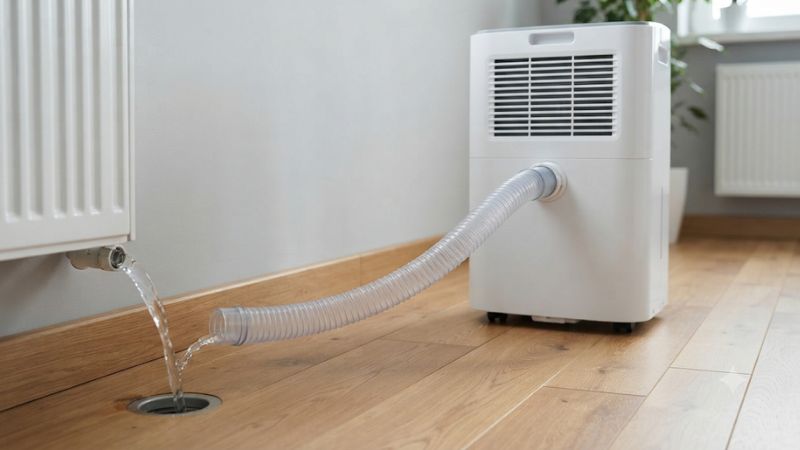
How Gravity Fed Draining Works
Gravity systems are the most common method for water removal because they require zero electricity. You simply connect your line to the back of the device and direct it downward toward a floor drain or sink. Because water only flows downward, any upward slope in the line will immediately cause water to back up into the reservoir.
To ensure excellent performance, position your machine on a sturdy shelf or elevated platform. This extra height provides a steep angle for the water to travel quickly without pooling inside the line. Routine checks are necessary to confirm that gravity is doing its job and that no sagging points have developed in your setup over time.
Benefits of Hands-Free Operation
The primary advantage of this upgrade is absolute convenience for busy homeowners. Instead of carrying heavy, sloshing buckets of water across your basement twice a day, the system handles everything. This is especially helpful during humid summer months when moisture levels peak and reservoirs fill up in just a few short hours.
Additionally, this continuous method protects your home from mold growth and water damage. Standard machines will shut off automatically once their internal tank is full, stopping all dehumidification. By using a durable dehumidifier drainage hose, you ensure the appliance keeps working around the clock to maintain safe humidity levels.
Common Installation Mistakes to Avoid
Many homeowners make the mistake of leaving too much slack in the line during installation. Excess length leads to loops and coils where stagnant water pools, creating a breeding ground for bacteria. Cutting your line to the precise length needed is a superior approach that guarantees a rapid, unobstructed path for every single drop.
Another frequent error is forgetting to inspect the internal rubber washer before tightening the connection. A missing or damaged washer will cause persistent, slow leaks that damage your flooring over time. Always tighten the connection securely by hand first, then use pliers gently if you notice any moisture escaping the joint.
Key Features to Consider When Buying
Selecting the right accessories requires careful attention to material quality and sizing specifications. A high-quality dehumidifier drainage hose must withstand constant water exposure without degrading or kinked lines. Below is a detailed comparison of common materials to help you make an informed decision for your home setup.
| Material | Durability | Flexibility | Best Use Case |
| Vinyl | Moderate | High | Budget setups |
| Rubber | High | Moderate | Heavy-duty basements |
| Reinforced PVC | Very High | High | Long-distance lines |
Hose Material and Durability
Vinyl is a popular material choice because of its excellent flexibility and lightweight design. It allows you to navigate tight corners and unusual angles easily without restricting the flow of water. However, thinner vinyl lines are more prone to kinking, which can completely block the passage and cause your appliance to overflow.
Heavy-duty rubber and reinforced PVC options offer far superior durability for long-term use. These rugged materials resist kinks, punctures, and temperature fluctuations, making them ideal for crawlspaces. Investing in a robust line prevents the headache of frequent replacements and protects your floors from unexpected water damage.
Length and Diameter Requirements
Most standard appliances feature a drainage outlet with a outer diameter of three-quarters of an inch. Choosing a dehumidifier drainage hose with matching fittings is crucial for achieving a watertight seal. If your line is too narrow, the water will back up, while an oversized line will require adapters that increase the risk of leaks.
Length is another critical factor that directly impacts gravity-based drainage efficiency. While you want enough length to reach your designated floor drain, excessive slack creates unwanted dips. Measure the direct path from your appliance to the drain and choose a product that offers just a foot of extra slack for the best results.
Fitting Types and Leak Prevention
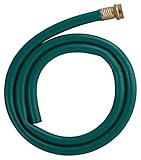
The connection point is where most drainage systems experience failure and start leaking water. Look for products that feature solid brass fittings rather than cheap plastic alternatives. Brass threads are highly resistant to stripping and provide a much tighter seal that holds up perfectly under constant use over several seasons.
Some modern lines feature quick-connect fittings that click securely into place without any twisting. These user-friendly designs are incredibly convenient if you need to disconnect the line for regular maintenance. Whichever style you select, ensure it includes a high-quality rubber gasket to prevent small drops from escaping.
Top Recommended Accessories for Setup
Enhancing your continuous drainage setup often requires a few smart additional components. While a basic dehumidifier drainage hose is excellent, pairing it with specialized tools can solve unique layout challenges. Let us look at the most useful upgrades that will elevate your home moisture management system to the next level.
Condensate Pumps for Vertical Lift
If your basement drain is located above the appliance, a simple gravity setup will not work. In these challenging situations, an external condensate pump is required to push the water upward. The pump collects the draining water in a small reservoir and automatically pumps it out through the line once it reaches a certain level.
Using a pump allows you to direct moisture out through a basement window or into an elevated sink. This accessory gives you complete freedom over where you position your appliance, regardless of floor drain locations. It is a highly reliable solution for deep basements and crawlspaces with limited natural drainage access.
Hose Clamps and Thread Seal Tape
Even with excellent brass fittings, minor leaks can still occur at the main connection point. Applying a few wraps of thread seal tape around the male threads before attaching the line creates a watertight seal. This inexpensive plumbing tape fills tiny gaps in the threads, preventing slow drips that could cause mold growth.
For non-threaded connections, a stainless steel clamp is an indispensable tool for securing your line. It pinches the vinyl or rubber tightly over the outlet barb, ensuring it cannot slip off under pressure. This simple addition provides peace of mind when leaving your dehumidifier drainage hose running unattended for weeks.
Protective Sleeves for Outdoor Use
If you route your drainage line outdoors, it will be exposed to harsh sunlight and freezing temperatures. Ultraviolet rays from the sun can make standard plastic lines brittle and prone to cracking within a single season. Wrapping the exposed sections in a protective sleeve will shield the material and extend its lifespan.
Furthermore, outdoor lines are attractive to small pests looking for water or a cozy nesting place. Installing a small wire mesh guard over the open end of the line prevents bugs and rodents from crawling inside. This simple precaution ensures your system remains completely unobstructed and operates efficiently year after year.
Maintenance and Care for Longevity
Even the most durable equipment requires routine maintenance to keep running at peak performance. Neglecting your dehumidifier drainage hose can lead to clogs from dust, mold, and algae that thrive in dark, damp environments. Let us explore the best maintenance practices to prevent clogs and ensure a long lifespan for your setup.
Clearing Mold and Algae Clogs
Over time, a slippery layer of biofilm and algae can build up inside the dark walls of your line. This buildup slows down water flow and will eventually cause a complete blockage if left untreated. Flushing the line once a month with a simple mixture of warm water and white vinegar is an excellent way to keep the path clean.
To flush the system, disconnect the line from the appliance and pour the vinegar solution directly inside. Let it sit for about ten minutes to loosen any stubborn debris before rinsing it thoroughly with clean water. This quick routine prevents unpleasant odors and ensures a steady, uninterrupted flow of water all season long.
Seasonal Storage Guidelines
When winter arrives and humidity levels drop, you will likely turn off your appliance for several months. Before storing your equipment, it is vital to drain all remaining water from the line to prevent mold growth. Storing a damp line in a dark closet or basement will guarantee a massive buildup of bacteria before next spring.
After cleaning and drying the line completely, coil it loosely to avoid creating any permanent kinks in the material. Store it in a cool, dry place away from direct sunlight, which can degrade the plastic over time. Taking these simple storage steps ensures your equipment is ready to perform perfectly when the humid weather returns.
Recognizing When to Replace It
Even with excellent maintenance, every drainage line will eventually reach the end of its useful lifespan. Plastic and rubber materials naturally degrade over several years of constant exposure to moisture and temperature shifts. Inspecting your system regularly helps you spot warning signs before a major leak damages your home.
Look out for visible cracks, stiffening of the material, or persistent discoloration that cannot be washed away. If you notice leaks at the connection point, a durable new dehumidifier drainage hose is a smart upgrade. Replacing your line every couple of years is an easy way to ensure continuous peace of mind in your home.
Conclusion
Selecting and maintaining the ideal dehumidifier drainage hose is the ultimate key to achieving effortless, automated moisture control in your home. By investing in a high-quality, durable option and performing simple routine care, you can protect your living space from mold and water damage. Enjoy a dry, comfortable environment today.
Frequently Asked Questions
What size hose does a dehumidifier drain port use?
Most residential units use a standard garden hose thread on the drain port, accepting a 5/8 inch hose, while some compact models use a 1/2 inch barbed fitting with vinyl tubing. Check the port before buying. Using an adapter with a mismatched thread is the most common source of slow drips under the unit.
Does the drain hose need a downward slope?
Yes, for gravity drainage the hose must fall continuously from the port to the drain with no loops or high spots. Even a small rise creates a trap where water sits, backs up and triggers the full-bucket sensor. If you cannot achieve a slope, use a model with a built-in pump or add an external condensate pump.
Can I drain into a floor drain or sump pit?
Both are common and acceptable. Secure the hose end so it cannot creep out of the drain, keep the outlet above any standing water so it does not siphon back, and check local code, since some jurisdictions restrict discharging into a sump that also handles groundwater. A laundry tub is another convenient option.
How do I stop the hose from clogging?
Biofilm and dust from the coil gradually build inside the hose. Flush it every few months with warm water and a diluted vinegar solution, and keep the unit air filter clean so less debris reaches the pan. A clogged hose usually announces itself as a full bucket shutdown despite continuous drainage being set up.
Why is water still filling the bucket with a hose attached?
Common causes are a hose that rises somewhere along its run, a clogged hose or drain port, a bucket that is not seated fully so the diverter does not engage, or a missing rubber plug that must be removed from the port before the hose works. Check those four in order before assuming a fault.
As an Amazon Associate we earn from qualifying purchases at no extra cost to you.






Write Your Review
No reviews yet. Be the first to share your experience!