
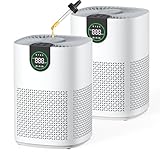
- Top Pick: LUNINO Air Purifiers for Home Bedroom Large Room up to 3000sq.ft in 30 Mins
- Best Value: VEWIOR 2 Pack Air Purifiers with Washable Filter for Home Up to 1200ft²
- Premium Choice: Filtrete 16x25x1 Air Filter, MERV 13 MPR 1900, Allergens, Bacteria, Viruses & Air Pollutants, 3-Month AC/Furnace Filters, Cleaner Air Reliable Airflow, 2 HVAC Filters(Act Size 15.62×24.62×0.78 in)
Your HVAC system already moves the air through your entire house several times an hour, which makes it the single most powerful tool you own for improving indoor air quality, if you put the right filter in it. Upgrading from a cheap fiberglass filter to a high-efficiency HEPA-grade or high-MERV media filter turns your furnace blower into a whole-home air scrubber, capturing allergens, dust, and even some viruses and bacteria as they circulate. The catch is doing it correctly, because the wrong filter can choke airflow and strain your system.
This 2026 guide explains how to improve your home’s air quality using filtration in your HVAC system: what MERV and HEPA ratings actually mean, how to pick a filter your blower can handle, and how in-line HEPA boxes and standalone units fit in. We will help you get cleaner air without overloading your furnace. Here is exactly how to do it right. Let’s get started.
As an Amazon Associate we earn from qualifying purchases at no extra cost to you.





⚡ Save on Your Next PC — Amazon Prime
Prime members get fast free shipping on the systems above, plus early access to Prime Day & Black Friday PC deals. New members get a 30-day free trial.
Watch: How to Improve Air Quality with a HEPA Filter for Your HVAC System — Video Review
Understand MERV vs. True HEPA
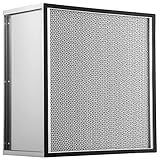
MERV (Minimum Efficiency Reporting Value) rates how well a filter captures particles, from MERV 1 up to MERV 16. True HEPA is even finer, capturing 99.97% of particles at 0.3 microns. Here is the key: most residential furnaces cannot push air through a true HEPA filter dropped into the standard slot, the resistance is too high and airflow collapses. For the filter slot, a MERV 11 to 13 filter is the practical sweet spot, capturing fine allergens while still letting your blower breathe.
Choose the Right Filter for Your System
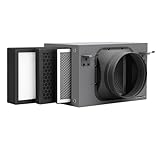
A high-MERV pleated filter like a MERV 13 captures pollen, pet dander, smoke, and many bacteria and viruses. Match it to your filter slot size exactly, a poor fit lets air bypass the media entirely. If you want genuine HEPA-level filtration on your ducts, use a dedicated in-line HEPA filter box installed as a bypass, which is engineered to handle the airflow resistance that a slot filter cannot.
Add Standalone HEPA Where It Counts
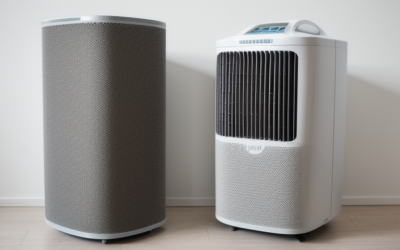
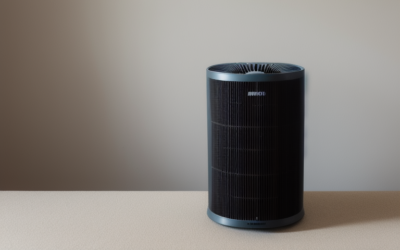
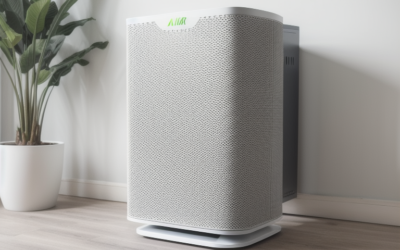
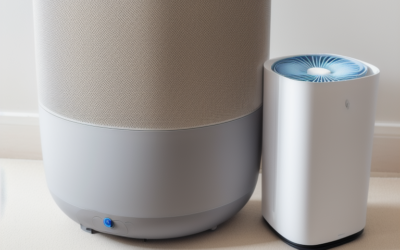
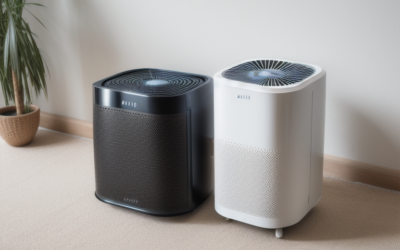
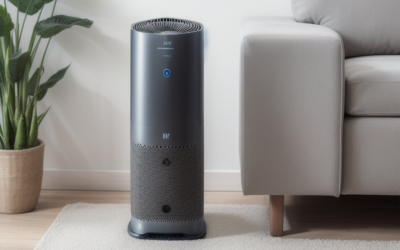
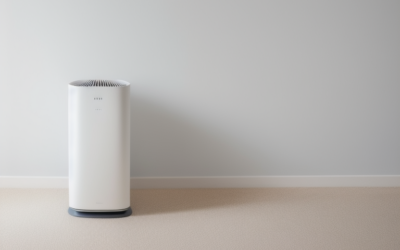
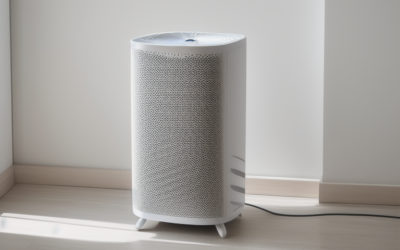
You do not have to solve everything at the furnace. A portable true-HEPA air purifier in the bedroom or a high-traffic room complements your HVAC filtration, delivering hospital-grade filtration exactly where people spend the most time. This layered approach, high-MERV at the furnace plus HEPA units in key rooms, often beats trying to force HEPA-level media into the central system.
Maintain It or Lose the Benefit
A high-efficiency filter clogs faster than a cheap one, and a clogged filter restricts airflow, hurting both air quality and system efficiency. Check pleated MERV filters monthly and replace them every 60 to 90 days, sooner with pets or allergies. Standalone HEPA units need their filters changed on the manufacturer’s schedule, typically every 6 to 12 months.
Tips
- Use a MERV 11 to 13 pleated filter in your furnace slot, not a true HEPA filter, which most blowers cannot handle.
- Measure your filter slot exactly and buy the matching size so air cannot bypass the media.
- Add a portable true-HEPA purifier in bedrooms for genuine HEPA filtration where you spend the most time.
- Replace high-MERV filters every 60 to 90 days; they clog faster and restrict airflow when neglected.
Frequently Asked Questions
Can I put a true HEPA filter in my furnace?
Usually not in the standard filter slot, true HEPA restricts airflow too much for typical residential blowers, which can damage the system. Use a MERV 13 filter there instead, or install a dedicated in-line HEPA bypass box.
What MERV rating is best for home air quality?
MERV 11 to 13 is the sweet spot for most homes, capturing fine allergens, smoke, and many pathogens while still allowing enough airflow. Going higher can strain systems not designed for it.
How often should I change a high-MERV filter?
Every 60 to 90 days for most homes, and monthly if you have pets or allergies. High-efficiency filters trap more, so they load up and restrict airflow faster than basic filters.
Do I still need a standalone air purifier?
A portable HEPA purifier is a great complement, especially in bedrooms, because it delivers true HEPA filtration your central system cannot. Layering both gives the cleanest air overall.
Conclusion
Improving your home’s air quality through your HVAC system comes down to matching filtration to what your blower can handle: a well-fitted MERV 11 to 13 filter at the furnace, an in-line HEPA box if you want more, and portable HEPA units in the rooms that matter most. Keep the filters fresh, respect your system’s airflow limits, and in 2026 your central system will double as a whole-home air purifier, quietly cleaning every breath you take.
Write Your Review
No reviews yet. Be the first to share your experience!