
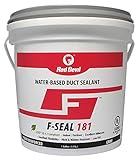
- Top Pick: Red Devil 0841DW F-Seal 181 Fiber Reinforced Water Based Duct Sealant, 1 Gallon, White
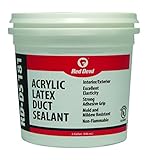
- Best Value: Red Devil 0841DS RD-DS 181 Acrylic Latex Duct Sealant, 1/2 Gallon, Gray
- Premium Choice: Red Devil 0841DX F-Seal 181 Duct Seal, Fiber Reinforced Water Based Duct Sealant, 1 Gallon, Gray, Made in USA
Old homes have character, and they also have leaky ductwork. Decades of thermal cycling, settling, and dried-out fasteners open gaps at every joint, and the U.S. Department of Energy estimates that a typical home loses 20 to 30 percent of the air moving through its ducts to leaks. In an older house that figure can be worse. Sealing those joints with the right duct sealant is one of the highest-return efficiency projects you can do, quiet, cheap, and dramatic on your comfort and bills.
This 2026 guide explains the types of duct sealant, water-based mastic, fiber-reinforced sealant, and putty, and which works best on the aging metal and connections common in old homes. We cover application, cure time, and the mistake almost everyone makes (using cloth duct tape, which fails within a couple of years). Here is how to seal old ducts properly and make it last. Let’s dig in.
As an Amazon Associate we earn from qualifying purchases at no extra cost to you.



⚡ Save on Your Next PC — Amazon Prime
Prime members get fast free shipping on the systems above, plus early access to Prime Day & Black Friday PC deals. New members get a 30-day free trial.
Watch: What are the Best Air Duct Sealants for Old Homes? — Video Review
Why Mastic Beats Tape
The number one rule of duct sealing: never rely on ordinary cloth-backed “duct tape.” Its adhesive dries out and peels within a year or two, especially on the warm, dusty joints of an old system. Water-based mastic, a thick paste you brush over seams, stays flexible and bonds permanently. It is the professional standard for a reason and the right choice for the vast majority of old-home duct joints.
Fiber-Reinforced Sealant for Big Gaps
Old ductwork often has wider gaps than a smooth paste alone can bridge. Fiber-reinforced duct sealants embed strands that span larger openings and resist cracking as the metal expands and contracts. For the sloppy, oversized joints you find in decades-old trunk lines, a fiber-reinforced formula gives you a stronger, longer-lasting seal than plain mastic.
Putty and Specialty Sealants
Not every leak is a duct seam. Old homes leak air where wiring and pipes penetrate walls and where duct boots meet drywall. Non-hardening duct-seal putty is perfect for these penetrations because it stays pliable and can be removed or reworked later. Keep a pack on hand alongside your mastic for the odd holes mastic is not meant to fill.
Application and Cure Basics
Clean the joint of dust and grease first, or the sealant will not bond. Brush mastic on generously, at least the thickness of a nickel, working it into the seam and over any tape or mechanical fasteners already there. Most water-based sealants skin over in a few hours and fully cure in one to three days. Do not run high heat through the system until it has set. Prioritize the joints nearest the air handler, where pressure and leakage are highest.
Tips
- Seal the joints closest to the furnace or air handler first, they leak the most under the highest pressure.
- Wear gloves and old clothes; mastic is messy and nearly impossible to remove once cured.
- Use fiber-reinforced sealant or mesh tape under mastic for any gap wider than about a quarter inch.
- Never use standard cloth duct tape as a permanent seal; it dries out and fails within a couple of years.
Frequently Asked Questions
What is the best sealant for old ductwork?
Water-based mastic is the best all-around choice for old duct joints because it stays flexible and bonds permanently. For wider gaps common in aging systems, use a fiber-reinforced duct sealant.
Can I use duct tape to seal my ducts?
No, ironically, ordinary duct tape is one of the worst duct sealers. Its adhesive dries and peels within a year or two. Use mastic or UL-listed foil tape instead for a lasting seal.
How long does duct sealant take to dry?
Most water-based mastics skin over in a few hours and fully cure in one to three days depending on thickness and humidity. Avoid running high heat through the ducts until it has set.
How much can sealing ducts save me?
Because leaky ducts can waste 20 to 30 percent of conditioned air, sealing them often produces a noticeable drop in energy bills and a big improvement in comfort, especially in older homes with many loose joints.
Conclusion
Sealing the ducts in an old home is one of the best low-cost efficiency upgrades available in 2026. Reach for water-based mastic on standard joints, fiber-reinforced sealant on the wide gaps age creates, and non-hardening putty around penetrations. Skip the cloth tape, prioritize the high-pressure joints near the air handler, and let it cure fully. The payoff, in comfort and dollars, arrives with the very next heating or cooling season.









Write Your Review
No reviews yet. Be the first to share your experience!