
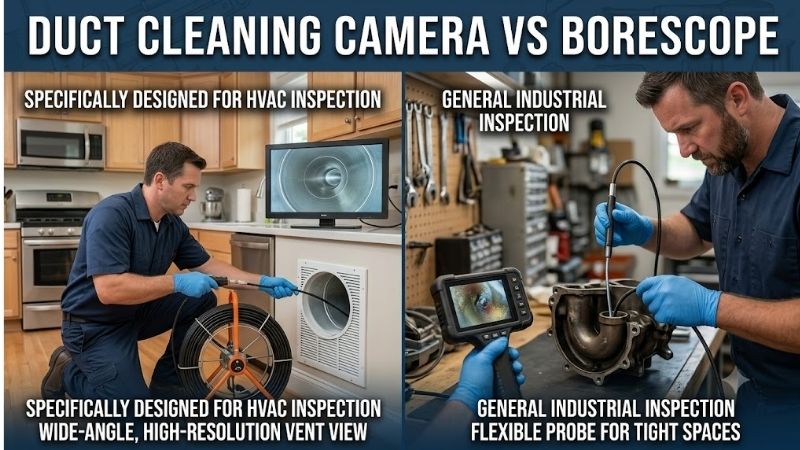
Duct cleaning camera vs borescope setups give HVAC technicians and homeowners the visibility required to inspect dirty air ducts effectively. Choosing between dedicated duct cameras and versatile borescopes depends on probe reach, lighting power, and cable rigidity when navigating tight metal bends inside residential ventilation ducting.
How to Choose the Right duct cleaning camera vs borescope
Evaluating a duct cleaning camera vs borescope requires balancing cable length against image clarity for your specific ventilation layout. Understanding how probe flexibility, camera illumination, and screen quality impact visibility allows contractors to select the ideal diagnostic tool for complex duct systems.
Probe Length and Cable Flexibility
Selecting the right probe length ensures you can reach deep blockage points without losing physical push strength. Long semi-rigid cables allow an HVAC inspection camera to travel down long main trunks, whereas extremely soft cables may coil up inside wider sheet metal ducts before reaching distant elbow joints.
Stiffer cables provide superior steering through vertical risers, but they require extra force around sharp 90-degree corners. Choosing a probe length between 16 and 50 feet provides an optimal middle ground for navigating multi-story residential duct networks without suffering significant cable deflection on site.
Dual Lens Camera Capabilities
Integrating a dual lens camera eliminates blind spots by letting technicians toggle between straight and 90-degree side views instantly. This dual perspective is invaluable when inspecting duct seam welds, internal damper blades, and mold accumulation on interior insulation board without physically twisting the cable.
Forward-facing lenses often miss buildup clinging to adjacent duct walls, making lateral views critical for comprehensive evaluations. Dual-camera setups streamline diagnostic speed on active job sites, saving time during routine maintenance checks and ensuring full visual confirmation of clean sheet metal surfaces.
Illumination and Focal Distance Controls
Proper focal distance settings ensure captured images remain crisp whether examining nearby debris or distant sheet metal joints. Variable LED brightness controls prevent harsh light reflections against galvanized steel ductwork, preserving fine details when diagnosing pest infestations or hidden moisture accumulation.
Dark duct interiors demand powerful light output to illuminate expansive return air plenums and main trunk lines clearly. Look for probes equipped with multi-level dimmable LEDs so you can adjust brightness levels based on internal duct reflectivity, preventing washed-out video feeds during live troubleshooting runs.
Steering and Articulation Neck Mechanisms
Units featuring an articulation neck allow precise mechanical control over the camera head angle inside restricted duct passages. Being able to rotate the camera tip up to 180 degrees enables effortless navigation around sharp turns, branch takeoffs, and internal baffle plates that block rigid endoscope probes.
Mechanical steering wheel controls located on the handheld monitor provide real-time probe positioning without twisting the entire wire assembly. This level of control reduces cable fatigue during heavy commercial inspections and protects delicate camera optics against harsh impacts against rough sheet metal edges.
Top Picks for duct cleaning camera vs borescope Options
Finding the best duct cleaning camera vs borescope option involves matching display resolution, probe stiffness, and durability to your daily workload. Below are five top-performing inspection systems available on Amazon that offer reliable video feeds, long battery life, and rugged job-site housing.
| Product Model | Display Size | Cable Length | Lens Type | Battery Life | Key Feature |
|---|---|---|---|---|---|
| DEPSTECH DS300 | 4.3-inch IPS | 16.5 Feet | Dual Lens | 3.5 Hours | Rotatable Screen & 1080P |
| Teslong NTS500 | 5.0-inch IPS | 16.4 Feet | Dual Lens | 5.0 Hours | Tempered Glass Display |
| Klein Tools ET160 | Smartphone App | 9.8 Feet | Single Lens | Phone Powered | Ultra-Compact USB-C Design |
| Ancel HD Borescope | 4.3-inch LCD | 16.5 Feet | Dual Lens | 4.0 Hours | Rugged Armor Protection |
| Oiiwak Endoscope | 4.3-inch IPS | 16.5 Feet | Single Lens | 4.0 Hours | High-Clarity Focal Optics |
DEPSTECH DS300 Dual Lens Borescope
Contractors needing an affordable flexible endoscope will appreciate the DEPSTECH DS300 for its crisp dual-lens system and bright 4.3-inch display. The semi-rigid 16.5-foot cable maintains its shape when pushed down straight duct branches, and the 1080P resolution provides clear visuals of heavy dust accumulation.
On the negative side, recorded video files display lower frame rates than the live screen view, which can look slightly choppy during fast recording passes. Furthermore, the cable stiffness makes tight 90-degree turns difficult in smaller flex ducts. Overall, its budget-friendly price and dual camera clarity make it a solid pick.
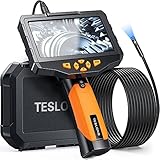
Teslong NTS500 Dual Lens Inspection Camera
Commercial inspectors seeking a robust pipe inspection tool will favor the Teslong NTS500 for its large 5-inch tempered glass monitor and 3500mAh battery. Its dual-camera probe toggles instantly between forward and lateral views, allowing technicians to spot hidden moisture damage along sheet metal seams effortlessly.
However, the handgrip menu interface feels unintuitive initially, requiring operators to memorize complex button presses during initial site use. Additionally, the side lens focal range is relatively tight, requiring close proximity to duct walls. Still, its durable build and clear display deliver outstanding value on the job.
Klein Tools ET160 Borescope Camera
Residential HVAC technicians who prefer a compact snake camera will find high utility in the Klein Tools ET160. Connecting directly to Android smartphones via USB-C, this lightweight probe utilizes mobile screens for crisp real-time viewing, making quick diagnostic checks in return air vents fast and efficient.
A key downside is that the 9.8-foot cable length limits deep penetration into main supply trunks, restricting its use on larger commercial layouts. The dedicated mobile app can also suffer occasional connectivity drops on older mobile devices. Nonetheless, its extreme portability makes it ideal for quick service calls.
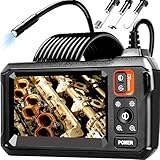
Ancel HD Dual-Lens Snake Camera
Remodeling crews requiring a wireless inspection scope alternative will appreciate the Ancel HD Dual-Lens model for its rugged, rubber-armored housing. Equipped with seven dimmable LEDs and IP67 waterproof protection, this endoscope easily navigates greasy kitchen exhaust ducts and damp crawlspace ventilation runs.
On the negative side, the outer camera glass is prone to smudging when contacting heavy grease, requiring frequent manual cleaning during dirty jobs. The included carrying case also feels tight when coiling the semi-rigid cable back inside. Overall, its heavy-duty casing makes it dependable for rough job sites.
Oiiwak Industrial Endoscope Camera
Homeowners conducting DIY duct maintenance who prioritize high image resolution will benefit from the Oiiwak Industrial Endoscope. Featuring an advanced CMOS sensor and a 16.5-foot semi-rigid cable, it provides sharp 1080P imagery that highlights mold growth and disconnected duct joints inside dark ceiling spaces.
A noticeable limitation is that it features only a single forward-facing lens, requiring manual probe rotation to view side walls inside wider ducts. The screen plastic also scratches easily if stored without a protective cover. Despite these flaws, its strong LED lighting and high clarity make it a reliable entry choice.
Frequently Asked Questions
Understanding the operational differences between inspection tools ensures you deploy the right gear for specific HVAC troubleshooting tasks. Below are detailed answers to the most common questions technicians ask when evaluating a duct cleaning camera vs borescope setup for field inspection work.
What Is the Main Difference Between a Duct Camera and a Borescope?
Dedicated duct cameras feature long, rigid push rods designed to travel dozens of feet through wide metal ductwork, whereas borescopes utilize thinner, flexible cables engineered for tight mechanical spaces. Borescopes excel at navigating sharp turns, while specialized duct units handle long horizontal runs easily.
Performing thorough ductwork video inspection often involves choosing between these tool styles based on trunk diameter and accessibility. While borescopes offer superior portability for residential service, commercial duct systems often demand the extended push strength of heavy-duty pipe inspection units.
How Long Should an HVAC Inspection Cable Be?
For standard residential HVAC systems, a cable length between 16 and 30 feet is generally sufficient to inspect main supply trunks and return drops. Commercial buildings with expansive ceiling ductwork often require specialized inspection cameras equipped with 50-foot or 100-foot push cables to cover full runs.
Using a flexible endoscope that is too long can create unnecessary wire management hassle inside cramped utility rooms. Matching your probe length to typical building footprints ensures efficient cable deployment while maintaining sufficient reach to diagnose distant duct blockages without physical restriction.
Can You See Mold Inside Ducts with a Borescope?
Yes, high-resolution borescopes with adjustable LED lighting can easily detect visible mold growth, microbial dust layer accumulation, and moisture stains on internal insulation liner. Placing the probe close to duct wall seams provides a clear visual evaluation of biological buildup before cleaning begins.
Proper focal adjustment is essential when capturing clear evidence of mold activity inside dark galvanized steel ducting. Utilizing a dual-lens camera probe allows you to inspect lateral wall surfaces where condensation frequently pools, ensuring early detection of hidden contamination on active job sites.
Are Wireless Borescopes Better Than Self-Contained Screen Units?
Wireless borescopes stream video feeds directly to tablets or smartphones, reducing tool weight and allowing easy image sharing with clients on site. However, self-contained units with built-in screens offer immediate plug-and-play operation without relying on phone battery levels or wireless signal stability.
Technicians who perform rapid daily inspections often prefer self-contained monitors because they eliminate app pairing delays. Conversely, contractors who generate digital inspection reports benefit from smartphone-connected models that allow immediate photo uploads and client emailing directly from the field.
Final Thoughts
Choosing between a duct cleaning camera vs borescope comes down to balancing cable reach, camera versatility, and job-site portability. By selecting an advanced HVAC inspection camera with proper lighting and dual-lens optics, contractors can pinpoint hidden duct blockages and deliver clear visual reports efficiently.
As an Amazon Associate we earn from qualifying purchases at no extra cost to you.







Write Your Review
No reviews yet. Be the first to share your experience!