
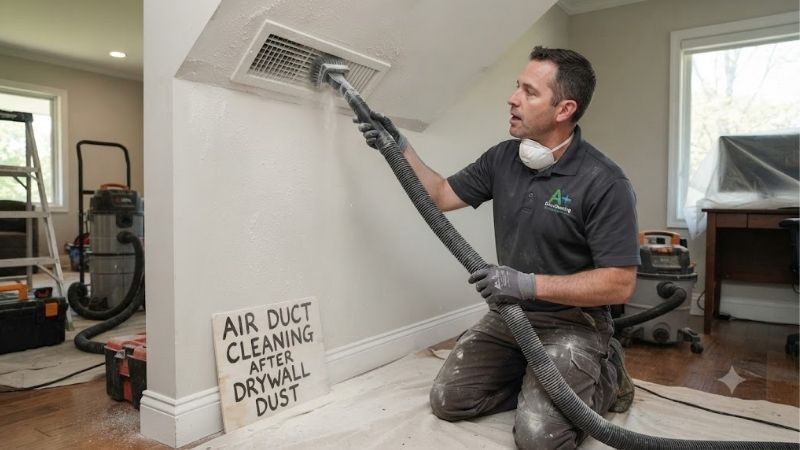
Air duct cleaning after drywall dust is essential for protecting your HVAC system from fine gypsum particles. Remodeling projects release abrasive white dust that bypasses standard filters, settling inside supply registers and blower motors. Performing timely duct maintenance prevents long-term respiratory issues and machinery damage.
How to Choose the Right Equipment for Post-Renovation Care
Evaluating equipment for air duct cleaning after drywall dust requires focusing on fine dust retention, sealed housing, and system safety. Gypsum dust particles are microscopic and abrasive, demanding tools that contain fine particles rather than recirculating them. Proper selection ensures your home air system recovers quickly.
Filtration Efficiency Ratings
Choosing filters with high MERV ratings or HEPA standards prevents renovation dust removal efforts from blowing powder back into living spaces. Standard fiberglass air filters fail to trap microscopic drywall residue, allowing line accumulation. High-efficiency media ensures fine gypsum particles stay trapped inside your collection gear.
Dense filter media can restrict furnace airflow if used continuously without monitoring static pressure levels inside return vents. Selecting pleated options rated for fine particle capture balances maximum filtration with healthy equipment operation. Replacing dirty media promptly preserves air motor lifespan and reduces energy consumption.
Vacuum Suction and Sealed Housing
High vacuum suction power is vital when pulling heavy gypsum dust contamination from bottom furnace channels and vent walls. Shop vacuums designed for construction debris must feature sealed drum gaskets to stop dust leaks. Durable hose attachments let homeowners reach deep into sheet metal shafts without scratching air dampers.
Unsealed shop vacuums often blow fine white residue directly out of exhaust ports into your freshly painted living room. Upgrading to a dedicated fine dust cartridge prevents motor damage and stops messy blowing hazards. Investing in sealed vacuum tanks keeps messy construction cleanup strictly contained in the collection drum.
System Inspection and Diagnostics
Using a ductwork inspection probe lets homeowners verify whether gypsum buildup reaches deep inside main trunk lines. Visual verification reveals if simple register cleaning suffices or if heavy negative pressure vacuum equipment is necessary. Checking internal channels prevents wasting money on unnecessary contractor services.
Navigating flexible duct turns requires flexible camera cables with bright LED illumination to spot hidden dust piles. Cheap probes may lose wireless connection inside metal channels, requiring patient manual handling during inspections. Having clear visual proof helps you decide when professional duct servicing is actually required.
Top Picks for Post-Drywall Dust Cleanup
Selecting reliable tools for air duct cleaning after drywall dust makes post-remodeling cleanup manageable and efficient. We evaluated top Amazon products capable of handling fine gypsum powder without clogging or leaking debris. These tools help maintain clean indoor air and protect valuable furnace components effectively.
CRAFTSMAN CMXEVBE17595 16 Gallon Shop Vac
Ideal for homeowners tackling heavy renovation cleanup, this high-capacity shop vacuum delivers intense suction for clearing vent registers. Its robust 6.5 peak HP motor pulls heavy plaster debris, while the large drum collects massive dust volumes. It serves as an essential workhorse for restoring home ventilation lines.
The bulky tank footprint requires ample storage space in your garage and takes effort to maneuver around tight hallways. However, its immense holding capacity and rear blower port make it an exceptional investment for post-construction maintenance. It offers dependable power that handles tough jobsite messes with ease.
Filtrete MPR 1900 MERV 13 Air Filter
Designed for central heating systems, this electrostatic pleated air filter captures microscopic gypsum particles before they circulate. The MERV 13 rating traps airborne dust, pet dander, and smog, keeping furnace coils free of construction grime. It provides excellent whole-house defense following major indoor remodeling.
High airflow resistance requires replacing the media every ninety days to prevent straining sensitive HVAC air blower motors. Despite the need for frequent checks, its high efficiency ensures superior dust containment across all living areas. It remains a top-tier filter choice for post-renovation indoor air safety.
LEVOIT Core 400S Smart Air Purifier
Perfect for large open rooms, this smart air purifier uses a 3-stage HEPA filter to capture floating drywall particles quickly. An integrated airborne particulate sensor tracks real-time air quality, automatically adjusting fan speed when dust spikes occur. It keeps room air clean while HVAC ducts undergo thorough restoration.
Replacement filter cartridges add recurring maintenance expenses over time, particularly after heavy construction projects. Nevertheless, its rapid CADR air turnover and quiet operation make it an outstanding post-remodeling air scrubber. It gives homeowners reliable peace of mind during dusty home improvement work.
DEPSTECH DS300 Industrial Endoscope
Built for DIY home inspectors, this handheld endoscope probe streams clear 1080P video directly onto a crisp color screen. Featuring a semi-rigid cable and bright LED lights, it lets you inspect deep inside HVAC return registers without app setups. It empowers homeowners to confirm actual duct contamination independently.
Guiding the long cable through sharp ninety-degree duct elbows requires patient manual handling to avoid twisting. However, its clear display and standalone operation eliminate guesswork when evaluating internal vent cleanliness. It serves as a cost-effective tool that prevents falling for unnecessary service scams.
CRAFTSMAN Fine Dust Shop Vac Filter
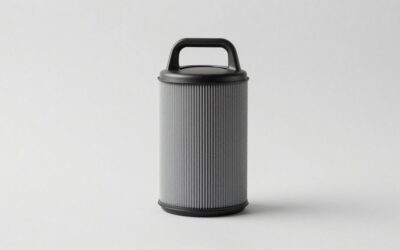
Engineered specifically for fine particle capture, this replacement cartridge filter traps ultra-fine drywall dust and cold ash effortlessly. The specialized pleated media prevents microscopic powder from blowing out the vacuum exhaust into your living rooms. It is a critical accessory when using shop vacuums for vent care.
Fine gypsum dust accumulates quickly on filter pleats, requiring periodic tapping or washing to maintain maximum suction power. Despite needing regular cleaning during big jobs, its tight filtration protects vacuum motors from premature burnouts. It is a must-have upgrade for safe post-construction cleanup projects.
| Product Name | Category | Primary Benefit | Ideal Application |
|---|---|---|---|
| CRAFTSMAN 16 Gal Vac | Shop Vacuum | 6.5 Peak HP strong suction | Deep vent register cleanup |
| Filtrete MPR 1900 | MERV 13 Filter | Microscopic dust capture | Furnace coil & air protection |
| LEVOIT Core 400S | HEPA Air Purifier | Real-time PM2.5 laser tracking | Room air scrubbing post-sanding |
| DEPSTECH DS300 | Inspection Camera | 1080P screen with LED lights | Checking internal duct channels |
| CRAFTSMAN Fine Filter | Cartridge Filter | Captures fine gypsum powder | Preventing vacuum exhaust dust |
Frequently Asked Questions
Homeowners often have important safety questions regarding air duct cleaning after drywall dust following home renovation projects. Understanding how fine gypsum residue affects air handlers helps you make smart maintenance decisions. Here are expert answers to common questions about managing post-construction duct dust.
Should you run your AC while sanding drywall?
Running your air conditioning while sanding drywall is strongly discouraged because return vents draw fine powder directly into furnace blowers. The abrasive gypsum coats delicate cooling coils, reducing heat transfer efficiency and clogging air filters rapidly. Keeping systems turned off preserves your HVAC machinery.
Sealing off supply vents with plastic sheeting during construction prevents airborne particles from invading quiet ductwork channels. If emergency cooling is required, isolate the work zone using exhaust fans placed in exterior windows. Protecting return lines saves thousands in potential HVAC repair expenses.
Is drywall dust dangerous to furnace blowers?
Yes, fine drywall powder acts as a harsh abrasive that can ruin internal electric motors and coat fan blades heavily. Over time, accumulated dust causes motor overheating, early bearing failure, and reduced air velocity across registers. Performing blower wheel cleaning restores proper air movement and motor safety.
Standard throwaway fiberglass filters allow microscopic construction dust to pass directly into sensitive air handling units. Upgrading to high-MERV pleated filters during remodeling traps hazardous residue before reaching expensive blower components. Timely maintenance protects your central heating system from costly breakdowns.
Can you clean drywall dust from ducts yourself?
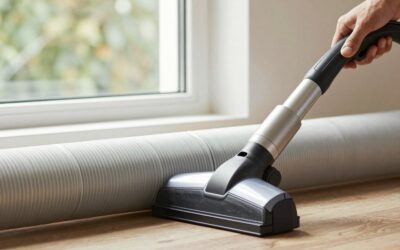
Homeowners can safely perform air duct cleaning after drywall dust on branch lines by removing register grilles and vacuuming channels. Using fine dust filter cartridges ensures vacuum exhaust does not blow powder into clean living spaces. DIY cleaning works exceptionally well for light post-remodeling surface dust.
Deep main trunk lines located far behind drywall require professional vacuum trucks equipped with high negative pressure equipment. Attempting to scrub long duct runs without proper negative air isolation can dislodge dust into your house. Combining DIY register care with expert deep cleaning yields the best overall results.
How soon after drywall sanding should ducts be cleaned?
Ventilation lines should be inspected and cleaned immediately after all sanding, painting, and floor finishing work concludes entirely. Scheduling air duct cleaning after drywall dust prevents fine powder from settling permanently inside furnace coils and return shafts. Timely care keeps your home atmosphere completely healthy.
Cleaning ducts before construction finishes is ineffective because ongoing work continuously reintroduces fresh airborne debris into vents. Always wait until contractors complete dust-producing tasks before performing thorough vacuuming or filter changes. Following proper timing ensures your cleanup investment lasts long term.
Final Thoughts
Prioritizing air duct cleaning after drywall dust protects your HVAC equipment and ensures clean indoor air after home renovations. Using sealed shop vacuums, high-MERV filters, and inspection cameras allows you to tackle construction debris effectively. Taking proactive care keeps your central heating system running smoothly for years.
As an Amazon Associate we earn from qualifying purchases at no extra cost to you.






Write Your Review
No reviews yet. Be the first to share your experience!