
Dryer vent number of elbows allowed by standard residential building codes directly impacts appliance safety and drying efficiency. Understanding maximum run lengths prevents hazardous lint accumulation behind laundry room walls. Homeowners should measure duct paths carefully before installing multiple ninety-degree metal bends.
How to Choose the Right Dryer Vent Elbow Configuration
Determining the dryer vent number of elbows allowed requires assessing total duct length alongside local building codes. Excess bends create severe exhaust restriction, forcing your dryer motor to work harder while increasing fire hazards. Choosing optimal connectors keeps airflow moving freely through tight wall spaces.
Understanding Equivalent Duct Length Rules
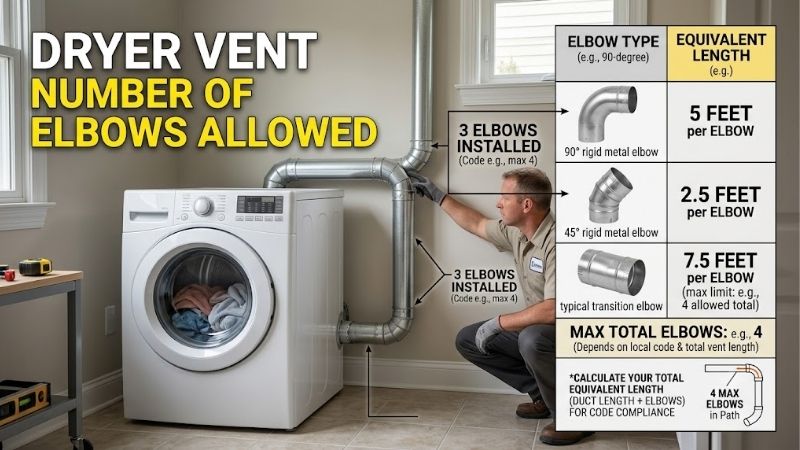
The dryer vent number of elbows allowed depends directly on equivalent length calculations. Standard building codes establish a baseline limit of thirty-five feet for total exhaust runs. Because each bend creates friction, every ninety-degree fitting subtracts five feet from your allowed overall pipe distance.
When calculating your home system layout, measure the straight sections and deduct for every turn. Choosing forty-five-degree components reduces total friction compared to sharp right angles. Keeping overall equivalent length well below maximum code limits guarantees faster drying cycle times for heavy laundry.
Evaluating Rigid Metal Ducting Requirements
Smooth rigid metal ducting offers superior airflow compared to flexible foil or plastic alternatives. Rigid aluminum walls prevent lint snagging along internal surfaces while maintaining consistent diameter. Using solid metal pipe enables long duct runs to maintain velocity despite necessary wall or floor turns.
Flexible connectors should only serve as short transition pieces between dryer units and solid wall pipes. Metal duct fittings retain their shape under heat pressure, eliminating unexpected sagging inside wall cavities. Selecting high-grade rigid materials helps keep exhaust temperatures balanced across long runs.
Managing Airflow Resistance and Static Pressure
Excessive bends significantly increase airflow resistance inside small exhaust channels. Higher static pressure forces damp air to remain near the drum, extending cycle times and wasting electric power. Selecting smooth radius elbows helps smooth out turbulent exhaust currents before air reaches exterior wall hoods.
Proper vent spacing gives moisture-laden vapor room to move without creating back pressure bottlenecks. Installing wide-turn fittings maintains velocity while minimizing heat accumulation inside wall cavities. Monitoring air pressure drop ensures your machine operates safely under heavy weekly washing routine loads.
Calculating Back Pressure and Motor Strain
High back pressure places unnecessary strain on blower wheel motors, shortening overall appliance lifespan. When air cannot exit rapidly, heat builds up inside internal electrical components, triggering safety limit switches. Proper planning keeps back pressure low enough to protect sensitive heating element wiring.
A well-designed exhaust route balances tight space requirements against proper airflow mechanics. Installing streamlined wall fittings lowers internal resistance, allowing exhaust fans to perform efficiently. Reducing overall resistance protects your laundry equipment investment while lowering annual energy utility costs.
Selecting Proper Transition Duct Components
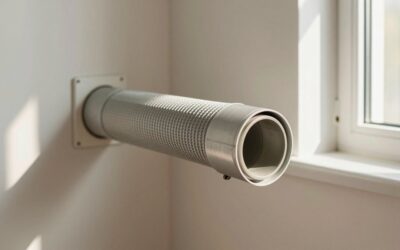
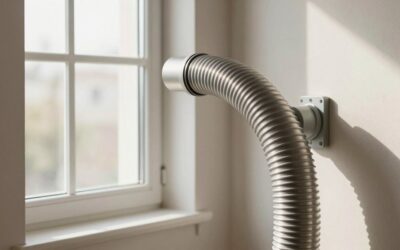
The transition duct bridges the gap between your clothes dryer output and fixed wall pipe installations. Heavy-duty semi-rigid metal tubing resists crushing when appliances are pushed close against back walls. Proper transition fittings keep connection points straight, preventing kinking near primary output ports.
Using magnetic or quick-connect adapters simplifies regular inspection and cleaning access behind appliances. Secure clamping mechanisms stop exhaust leaks from releasing moisture and lint into interior living areas. Robust transition hardware maintains full diameter integrity even in extremely tight laundry closets.
Top Picks for Dryer Vent Elbows and Connectors
Staying within the dryer vent number of elbows allowed is easier when using specialized space-saving hardware. The right components make tight ninety-degree turns without squishing airflow or trapping dangerous lint buildup. The selections below help homeowners build safe, code-compliant laundry exhaust systems.
| Product Name | Type | Key Feature | Best For |
|---|---|---|---|
| MagVent MV-90 | Magnetic 90° Elbow | Self-aligning magnetic seal | Tight Laundry Closets |
| Builder’s Best Close Elbow | Compact Rigid Elbow | 90° turn in 4 inches clearance | Tight Rear Clearance |
| Deflecto DE904 Adjustable Elbow | 4-Piece Swivel Elbow | 0 to 90 degree adjustability | Custom Angle Offsets |
| Lambro 3003L Quick-Fit Elbow | Gasketed ABS Elbow | Rubber seal with quick-fit body | Easy Clamp-Free Setup |
| Imperial 4-Inch Rigid Elbow | Heavy-Gauge Aluminum | Smooth interior wall surface | Long Ductwork Runs |
MagVent MV-90 Magnetic 90-Degree Vent Coupling
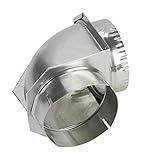
Ideal for tight laundry closets where space is limited, this unit uses strong magnets to align ducting. Its integrated 90-degree elbow eliminates crushing flexible hose behind machines, ensuring smooth airflow. It allows homeowners to manage the dryer vent number of elbows allowed without restricting air.
While this premium magnetic fitting offers outstanding performance, its higher price requires a larger initial budget. Precise wall height alignment is required during setup to ensure the magnetic seal aligns correctly. Overall, it provides an airtight connection that saves space and boosts clothes drying efficiency.
Builder’s Best Close Elbow 90-Degree Connector
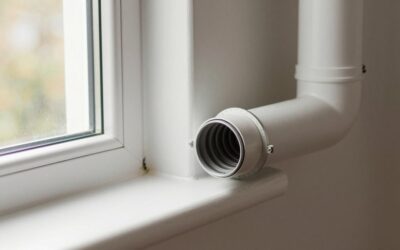
Designed for homeowners needing maximum rear clearance, this compact rigid elbow turns tight corners in four inches. Its rotating snap-lock collar allows quick connection without kinking transition lines. It minimizes friction loss while helping prevent dangerous lint accumulation behind tight appliance spaces.
Because the body is made of rigid aluminum, installation requires careful handling to prevent minor surface denting. The tight turning radius fits specific close-clearance setups best rather than offset angles. It remains a reliable solution for tight rear clearances where space is severely constrained.
Deflecto DE904 Adjustable 4-Piece Aluminum Elbow
Perfect for custom duct paths with unusual angles, this four-piece aluminum fitting swivels smoothly from zero to ninety degrees. Crimped edges slip easily into standard four-inch pipes, helping DIYers navigate wall obstacles. It helps maintain optimal dryer efficiency by avoiding unnecessary extra duct connectors.
Adjusting the riveted metal segments requires firm manual force, which may prove tricky in extremely tight spaces. Seams should be wrapped with foil tape to guarantee a complete air seal under working exhaust pressure. It delivers exceptional value and flexibility for complex home exhaust installation routes.
Lambro 3003L ABS Quick-Fit Dryer Exhaust Elbow
Great for quick installation without complex tools, this plastic elbow features a rubber gasket seal on its intake collar. It slides directly onto dryer exhaust outlets, creating a tight friction fit without extra hose clamps. It simplifies connecting semi-rigid pipes within your home venting system setup.
This ABS plastic fitting is meant only for short exterior connection points right at the appliance output wall. It should not be buried deep inside concealed wall cavities where solid metal pipe is mandated by code. It remains a user-friendly adapter that makes appliance maintenance fast and hassle-free.
Imperial 4-Inch Heavy-Gauge Aluminum Rigid Elbow
Built for long-lasting structural durability, this heavy-gauge aluminum elbow provides smooth internal airflow across wall turns. Its rigid construction resists collapsing under thermal expansion, keeping exhaust velocity strong. It helps homeowners comply with local building codes on long basement run systems.
The thick aluminum walls make manual angle adjustments stiffer than lightweight flexible duct options on the market. Users must apply high-grade HVAC foil tape to seal connection seams against fine dust escaping. It offers superior durability and safety for high-volume family washing and drying needs.
Frequently Asked Questions
Understanding the dryer vent number of elbows allowed helps eliminate confusion when planning complex home duct runs. Answers to common installation questions clarify code limits, measurement techniques, and offset solutions. Review these facts to ensure your laundry setup meets national building code standards.
What is the maximum dryer vent number of elbows allowed by building code?
The dryer vent number of elbows allowed depends on total duct length, with code setting a maximum equivalent length of thirty-five feet. Standard regulations state that every ninety-degree turn reduces your maximum allowable straight duct length by five feet from that baseline total.
For instance, installing two ninety-degree bends reduces your maximum allowed straight pipe distance down to twenty-five feet. Always check local building codes or manufacturer instructions, as some high-efficiency dryers permit longer runs when using specialized booster fan accessories.
How do forty-five-degree elbows affect total duct length calculations?
A forty-five-degree elbow creates less friction than a right-angle bend, deducting only two and a half feet from total equivalent length. Using two forty-five-degree turns instead of one sharp ninety-degree fitting offers smoother air paths while preserving overall allowed pipe distance inside wall framing.
Installing rigid metal duct sections with gradual angles prevents lint from catching on interior seam edges. This approach maintains high exhaust velocity, helping warm vapor exit your home rapidly. Choosing offset angles is ideal when routing pipes around structural floor joists or wall studs.
Can flexible foil ducts be used in place of rigid metal elbows?
Flexible foil ducting creates excessive airflow resistance due to ribbed internal walls that trap lint and slow vapor movement. Most building codes prohibit concealed flexible foil ducts behind walls or inside ceilings. Rigid metal fittings must be installed to maintain safe thermal exhaust conditions.
Flexible foil should only serve as a short transition duct connecting the appliance to the main wall pipe. Replacing sagging foil flex with smooth metal elbows lowers fire hazards significantly while improving drying times. Solid metal connectors retain full diameter structure under elevated heat.
What happens if a setup exceeds the dryer vent number of elbows allowed?
Exceeding the dryer vent number of elbows allowed creates high back pressure that slows drying cycles and overheats appliance components. Moisture condenses inside long duct runs, creating damp lint sludge that clogs pipes. In severe cases, trapped thermal energy creates significant fire hazards.
If your layout requires additional turns, installing a 90-degree elbow booster fan or choosing wider rigid pipe can restore proper airflow. Alternatively, rerouting the duct path directly through an exterior wall minimizes total turns. Resolving flow restrictions keeps your home safe and efficient.
Final Thoughts
Adhering to the dryer vent number of elbows allowed ensures your laundry exhaust operates safely without risking house fires or component failure. Planning duct routes carefully and choosing smooth rigid fittings maximizes dryer efficiency while reducing drying times. Upgrade your vent connections today for total peace of mind.
As an Amazon Associate we earn from qualifying purchases at no extra cost to you.

#1 Pick







Write Your Review
No reviews yet. Be the first to share your experience!