
Quick answer: Our top pick in 2026 is the Existing vacuum crevice tool — our #1 rated choice. See the full ranked comparison, alternatives and buying advice below.
The Short Answer
Yes, you need a dryer vent vacuum—or at least a way to vacuum lint—if lint is accessible at the dryer’s exhaust opening and your vacuum can safely use a narrow hose or brush attachment. That is the one condition that matters most.
A dryer vent vacuum kit is useful for removing loose lint from the short section behind your dryer, the lint-trap housing, and the first several feet of the exhaust duct. It is not a guarantee that the entire vent is clean. If your duct runs a long distance, has several bends, exits through the roof, or has not been cleaned in years, a basic attachment may only address the easiest part of the buildup.
As an Amazon Associate we earn from qualifying purchases at no extra cost to you.

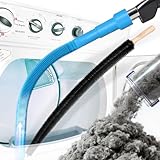
For many households, a $8-to-$15 kit is a sensible maintenance tool. It is inexpensive, easy to store, and better than trying to reach into the duct with a regular vacuum hose. But it should be viewed as a light-duty cleaning accessory—not as a replacement for a full dryer-vent service when airflow is poor or the vent is difficult to access.
What You Actually Get
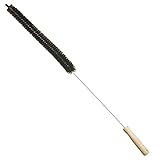
Most dryer vent vacuum kits contain a flexible hose, a narrow nozzle or vacuum adapter, and a brush with a handle or a series of connecting rods. The hose is usually around 10 to 12 inches long, while brush kits may reach 4 to 12 feet depending on how many sections are included. Exact dimensions vary, so check the package before buying.
The narrow vacuum attachment is designed to fit into spaces that a standard vacuum wand cannot reach. Common targets include the lint-trap cavity, the area around the dryer’s rear exhaust port, and the accessible end of the wall duct. The brush loosens lint clinging to the duct walls while the vacuum collects what falls free.
Two budget examples are the PetOde 2Pcs Dryer Vent Cleaner Kit, listed at $9.99, and the Holikme Dryer Vent Cleaner Kit 2Pack, listed at $7.99. Products in this category generally work with a household vacuum through an adapter, but “universal” does not mean every connection will fit tightly. You may need a little tape or an adapter if the hose diameter does not match your vacuum.
Before cleaning, unplug the dryer and pull it far enough from the wall to reach the exhaust connection. Remove the vent hose carefully, since old foil or plastic ducting can tear. Vacuum loose lint from the dryer outlet and the exposed duct, then use the brush only as far as you can control it. Do not force a rigid brush around a sharp bend or push it so far that it becomes stuck.
Pros
- Low upfront cost: Basic kits commonly cost about $8 to $15, far less than a professional visit.
- Useful for routine maintenance: A narrow hose can remove lint near the dryer and at the accessible end of the duct.
- Better reach than a standard vacuum: Flexible tubing and a slim nozzle can reach into the lint-trap housing and rear outlet.
- Easy to store: Most kits are small and lightweight, often weighing less than 1 pound before packaging.
- Can improve airflow when buildup is minor: Removing a visible plug of lint may help clothes dry more efficiently.
- Reusable: You can use the attachment several times a year rather than buying a new tool for every cleaning.
- Helpful for renters and apartment dwellers: It provides a practical way to clean the accessible areas without modifying the vent system.
Cons
- Limited cleaning depth: A short vacuum hose cannot clean a long duct run, especially when the duct travels through a wall or ceiling.
- Weak vacuum compatibility: Some full-size vacuums have enough suction for loose lint, while small handheld models may not.
- Adapters can be awkward: A loose connection may leak lint and reduce suction.
- Brushes can snag: Flexible or damaged ducting may catch on brush bristles or connecting rods.
- It does not inspect the vent: The kit cannot reliably identify crushed ductwork, disconnected joints, bird nests, or an exterior flap that is stuck shut.
- Potential for damage: Aggressive pushing can puncture thin foil ducting or disconnect a joint inside the wall.
- Not a substitute for safety repairs: A vacuum cannot correct an improperly installed vent, a long run with excessive bends, or a vent that terminates in an unsafe location.
Who Should Buy It
Buy a dryer vent vacuum kit if you want a simple maintenance tool for an accessible, relatively short vent. It makes sense when the dryer sits close to an exterior wall, the exhaust hose disconnects easily, and you can see lint accumulating near the opening. It is also a reasonable purchase for households that wash bulky loads frequently, have pets, or use the dryer several times per week.
It can be especially useful between deeper cleanings. For example, you might vacuum the lint-trap cavity every few months and clean the accessible rear duct whenever you move the dryer for cleaning. Use the kit gently and follow the vacuum manufacturer’s instructions. Never operate the dryer with the exhaust duct disconnected unless a qualified professional specifically directs you to do so.
Choose a kit with a hose that fits your vacuum, a brush narrow enough for a 4-inch dryer duct, and rods that lock together securely. A kit with a 10-to-12-foot reach may be tempting, but longer is not automatically better. A shorter, controllable tool is safer when you are cleaning only the exposed section.
Who Should Skip It
Skip a basic kit as your primary solution if clothes take much longer to dry, the dryer feels unusually hot, the laundry room becomes humid, or the exterior vent has little or no airflow while the dryer is running. Those signs can indicate a substantial blockage or an installation problem.
You should also arrange professional cleaning if the vent is longer than about 25 feet before accounting for bends, runs through multiple floors, exits through the roof, or has not been cleaned for several years. A professional may use a rotary brush system, specialized vacuum equipment, and an inspection camera. If you smell burning, see scorching, or notice the dryer shutting off from overheating, stop using it until the problem is evaluated.
Cheaper Alternatives
| Option | Cost | Trade-off |
|---|---|---|
| Existing vacuum crevice tool | $0 | Free and convenient, but it usually cannot reach far into the vent or lint-trap cavity. |
| DIY narrow hose adapter | About $3–$10 | Inexpensive, but the connection may leak and improvised parts can collapse inside the duct. |
| Budget dryer vent kit | About $8–$15 | Provides a purpose-built hose and brush, but still has limited reach and vacuum power. |
| Long dryer vent brush kit | About $15–$30 | Reaches farther, but rods can bend, disconnect, or damage flexible ducting if forced. |
| Professional dryer vent cleaning | About $100–$250 | Costs more, but is the better option for long, hidden, roof-level, or heavily blocked vents. |
FAQ
How often should I vacuum my dryer vent?
For routine maintenance, vacuum the lint-trap cavity and accessible rear duct every three to six months, or more often if you run the dryer heavily. A full vent inspection or cleaning interval depends on the duct length, number of bends, dryer use, and previous maintenance. If drying time increases, do not wait for the calendar—check the vent promptly.
Can I use a regular vacuum for a dryer vent?
Yes, if the vacuum has a narrow attachment and the manufacturer permits the accessory’s use. A canister or upright vacuum typically provides better reach and suction than a small handheld model. Keep the motor and electrical connections away from moisture and never vacuum hot lint or debris from a dryer that is still operating.
Can a dryer vent vacuum clean the entire duct?
Usually not. It can clean loose lint in accessible areas, but hidden sections may require a longer brush, a rotary cleaning system, or professional equipment. The longer and more complex the duct, the less likely a small household attachment is to reach every part of it.
Is a dryer vent vacuum worth buying in 2026?
For roughly $8 to $15, it is worth buying if you understand its limits. It is a convenient supplement to regular dryer maintenance and can remove lint that is otherwise difficult to reach. It is not worth relying on as the only cleaning method when the dryer has poor airflow, a long concealed duct, or clear signs of overheating.
Ready to decide? Our #1 pick for 2026 is the Existing vacuum crevice tool.
Live price & availability on Amazon.





Write Your Review
No reviews yet. Be the first to share your experience!