
Our Short List of 3
All 5 Picks at a Glance
| Product | Specs | Action |
|---|---|---|
 Sensei DOC-CK Deluxe Optics Care and Cleaning Kit (B07JC32K6W) | Check price on Amazon | |
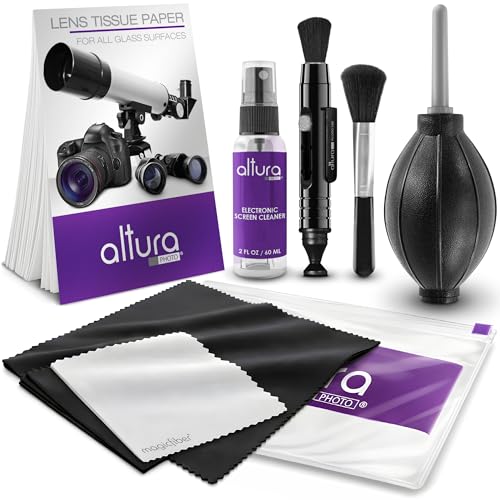 Altura Photo Camera Lens Cleaning Kit (B0098QH2BC) | Check price on Amazon | |
 ZEISS Lens Care Pack (B00GPVQVCO) | Check price on Amazon | |
 Nikon 7072 Lens Pen Cleaning System (B00006JN3G) | Check price on Amazon | |
 Carson C6 Series Compact Lens Cleaner CS-35 (B0BTQ67MRK) | Check price on Amazon |
A smudged objective lens can turn a bright morning of birding into a soft, hazy view, and a dusty eyepiece can make even a premium pair of binoculars feel disappointing. The best binocular cleaning kit solves that problem with the right tools in the right order: something to lift loose dust first, something to remove fingerprints and skin oils, and a soft cloth that will not scratch a coated lens.
Quick answer: for most binocular owners, a complete kit with a blower, a brush, a lens pen, cleaning fluid and several microfiber cloths is the most useful choice, because it covers dust, fingerprints and light moisture in one case. If you mainly need a pocket tool for the field, a compact lens pen with a retractable brush is the lighter option.
Quick Picks
| Product | Best For | Key Spec |
|---|---|---|
| Sensei DOC-CK Deluxe Optics Care and Cleaning Kit | Complete at-home and field kit | Blower, lens pen, brush, fluid, wipes, cloth and case |
| Altura Photo Camera Lens Cleaning Kit | Full lens kit with hard case | Alcohol-free and ammonia-free spray, pen, blower, 3 cloths, 50 tissues |
| ZEISS Lens Care Pack | Simple spray and cloth routine | 2 spray bottles, 2 microfiber cloths, ammonia-free formula |
| Nikon 7072 Lens Pen Cleaning System | Pocket fingerprint removal | 3 lens pens, retractable brush, carbon cleaning tip |
| Carson C6 Series Compact Lens Cleaner CS-35 | Lightweight dry cleaning in the field | 13 mm round tip, retractable brush, dry nano-particle formula |
How to Choose
Lens-Safe Cleaning Fluid
Binocular lenses carry anti-reflective and multi-layer coatings that harsh household cleaners can damage. Look for a fluid described as safe for coated lenses and free from alcohol and ammonia, or for a dry cleaning system that uses no liquid at all. A good fluid should lift fingerprints and skin oils without leaving a film, and it should be applied to a cloth or tissue rather than sprayed directly onto the lens, where liquid can seep toward the edges and into the housing.
A Blower and Brush for Dust First
Dust is the main cause of fine scratches on binocular lenses, because grit dragged across glass acts like an abrasive. A kit with an air blower and a soft brush lets you remove loose particles before anything touches the lens surface. Use the blower first, then the brush, and only then move to a cloth or a lens pen. A blower is especially useful after a dusty trail, a beach visit or a day in dry grassland. A soft brush can reach the rim of the lens and the recess around the eyecups, where dust collects.
Microfiber Cloths and Lens Tissues
A microfiber cloth is the workhorse of any binocular cleaning kit, and its quality matters. Look for a cloth that is soft, lint-free and washable, so it can be reused many times without shedding fibres onto the lens. A kit with two or three cloths is more practical than a kit with one, because you can keep a clean cloth in reserve and wash the used one. Disposable lens tissues are useful when a cloth has picked up grit or when you want a fresh surface for each lens.
Lens Pen Design and Tip Size
A lens pen combines a retractable brush on one end with a cleaning tip on the other, and it is one of the most convenient tools for binocular owners. The tip size matters: a smaller round tip suits the smaller eyepiece lenses, while a larger tip covers the wider objective lenses more quickly. Some pens use a carbon-based cleaning compound on the tip to absorb oils, while others use a soft chamois-style tip. A pen should have a cap that protects the tip and refreshes the cleaning compound when twisted back on. If your binoculars have large objective lenses, a pen alone may feel slow, so pair it with a cloth and fluid for a full clean.
Portability and Storage
Binoculars travel, so a cleaning kit should travel well too. A hard case keeps tools clean and protected in a backpack, while a soft pouch fits more easily into a jacket pocket or a binocular harness pocket. Think about where you will actually clean your binoculars: at home before a trip, in a hide, on a boat, or on a trail. A complete kit with a case suits home storage and longer trips, while a single pen suits a short walk or a day when weight matters.
Compatibility With Coated Binocular Lenses
Not every lens cleaner is made for coated optics. Binocular lenses often have several layers of coating to reduce glare and improve light transmission, and those coatings need gentle treatment. Before buying, check that the maker describes the kit as safe for coated lenses, binoculars, telescopes or camera lenses. Avoid paper towels, shirt fabric, facial tissues with added lotion, and household glass cleaners, all of which can scratch coatings or leave residue.
Kit Completeness Against Your Routine
A complete kit is only useful if you will use most of its parts. If you clean your binoculars once a month at home, a spray and cloth set may be enough. If you use them weekly in the field, a kit with a blower, brush, pen, fluid and cloths covers more situations. Count the consumables: tissues and pre-moistened wipes run out, while a blower, brush and pen can last for years. A kit with a washable cloth and a reusable pen is easier to keep in service than a kit that depends entirely on disposable wipes. Match the kit to your routine, not to the longest contents list.
The Best Binocular Cleaning Kit Reviewed
Sensei DOC-CK Deluxe Optics Care and Cleaning Kit (B07JC32K6W)
The Sensei DOC-CK Deluxe Optics Care and Cleaning Kit is the most complete kit in this guide, and the best starting point for a binocular owner who wants one kit for home and field use. It includes a lens cleaning pen, a bulb air blower, a lipstick brush, cleaning fluid, pre-moistened lens cleaning wipes, a microfiber cloth and a durable case with pre-cut foam to hold everything in place. That combination follows the correct cleaning order: blow dust away, brush the remainder, then remove fingerprints and smudges with the pen, wipes or cloth. The case is a genuine advantage, since each tool has its own place in the foam, so the brush stays clean and nothing rattles around in a backpack.
This kit is a general optics cleaning kit rather than a binocular-only kit, and that is worth noting: the maker describes it for glass optics including camera lenses, telescopes and eyeglasses as well as binocular use. In practice the tools are the same ones binocular owners need. It suits a birder, hunter or traveller who wants a single organised kit and who cleans binoculars regularly. It is less suited to someone who wants the smallest possible pocket tool, since the case is larger than a single pen.
Altura Photo Camera Lens Cleaning Kit (B0098QH2BC)
The Altura Photo Camera Lens Cleaning Kit is another complete kit, built around a hard case and a generous set of consumables. It includes an alcohol-free and ammonia-free lens cleaner spray, a cleaning brush, a lens pen, an air blower, three MagicFiber microfiber cloths and 50 sheets of lens tissue paper. The spray is described as safe for anti-reflective coatings and multicoated glass, which is the key requirement for binocular lenses.
Like the Sensei kit, this is a general camera lens cleaning kit rather than a binocular-only product, and buyers should know that up front. Its tools are the standard tools for coated optical glass, and the maker describes the kit for lenses and optics, so it fits binocular use well. It suits a binocular owner who also uses a camera, or who wants a well-stocked kit with plenty of tissues and cloths. It is less suited to a buyer who wants the most compact kit possible, or who prefers a dry cleaning system with no spray bottle to carry.
ZEISS Lens Care Pack (B00GPVQVCO)
The ZEISS Lens Care Pack takes a simpler approach: two spray bottles of lens cleaning spray and two microfiber cloths, with no blower, brush or pen. The spray is ammonia-free and described as safe for lenses with anti-reflective coatings, as well as for binoculars, camera lenses, sunglasses and prescription lenses. For a binocular owner who already owns a brush or a blower, or who mainly needs to remove fingerprints and light smudges at home, this pack covers the core routine with very little fuss.
The limit of this pack is clear: it has no tool for removing dust before wiping. If your binoculars are dusty, you will need a blower or a brush from another source before you use the spray and cloth, or you risk dragging grit across the lens. It also has no lens pen for quick field cleaning. It suits a binocular owner who wants a straightforward spray and cloth routine, who cleans lenses indoors, and who values a well-known optics brand. It is less suited to field use in dusty conditions.
Nikon 7072 Lens Pen Cleaning System (B00006JN3G)
The Nikon 7072 Lens Pen Cleaning System is a compact pocket tool rather than a full multi-piece kit, and it is included here because a lens pen is often the tool binocular owners reach for most in the field. The system contains three lens pens in a carrying case, with a soft retractable brush on one end and a cleaning tip with a non-liquid compound on the other. The tip is designed to remove fingerprints, dust and grit from lenses, filters and viewfinders, and the brush sweeps away loose dust before the tip is used.
Buyers should be clear about what this is: a set of lens pens, not a complete cleaning kit with fluid, cloths, wipes and a blower. It will not replace a full clean at home, and it has no spray for heavy smudges or a cloth for a final polish. It suits a birder, hunter or walker who wants a light, fast tool for fingerprints in the field and who already has a cloth or a fuller kit at home. It is less suited to someone who wants one purchase to cover every cleaning need.
Carson C6 Series Compact Lens Cleaner CS-35 (B0BTQ67MRK)
The Carson C6 Series Compact Lens Cleaner CS-35 is a single dry-cleaning tool for binocular lenses, built around a 13 mm round tip and a retractable brush. It uses a dry nano-particle cleaning formula to lift dust, fingerprints and smudges without liquid, and it contains no alcohol or ammonia, which helps protect lens coatings. The pen measures about 0.7 by 0.7 by 3 inches and weighs very little, so it slides into a pocket, a binocular pouch or a backpack without adding noticeable bulk.
As with the Nikon pen, this is a single cleaning tool rather than a full kit, and that is its main limit. It has no blower, no spray, no cloth and no wipes, so it works best as a field companion to a fuller kit rather than as a replacement for one. It suits a hunter, birder or traveller who wants the lightest possible cleaning tool, who dislikes carrying liquid, and who cleans lenses little and often. It is less suited to a buyer who wants a complete kit in one purchase.
What to Check Before You Buy
Before you buy a binocular cleaning kit, check the size of your binocular lenses and the type of coating they carry. Large objective lenses need a larger cloth and a wider cleaning tip, while small eyepieces need a smaller tip and a gentle touch. Check the maker guidance for your binoculars, since some makers advise against certain fluids or against cleaning the inside of the lenses, which should be left to a professional service.
Check the contents list against the cleaning order you will actually follow. A kit should help you remove dust first, then remove oils, then polish. If a kit has only a spray and a cloth, plan to add a blower or a brush. If a kit has only a pen, plan to add a cloth for a final polish. Count the consumables, think about how often you will need to replace tissues or wipes, and check whether the cloths are washable.
Check the case, the size and the formula. A kit that is too large will stay at home, and a kit that is too small may lack the tools you need in the field. A hard case protects tools in a backpack, while a soft pouch fits a pocket. Look for a fluid or a dry system described as safe for coated lenses and free from alcohol and ammonia. Avoid household glass cleaners, paper towels and shirt fabric, which can damage coatings or scratch glass.
Finally, think about where you use your binoculars most. Dusty conditions call for a blower and a brush. Humid conditions call for a cloth that can handle moisture and a case that keeps tools dry. Cold conditions call for a dry pen that works with gloves on. A kit that matches your setting will be used far more often than a kit chosen on contents alone.
FAQ
How often should I clean my binocular lenses?
Clean the lenses when you can see dust, fingerprints or haze that affects the view, rather than on a fixed schedule. Many owners clean the outside of the lenses after each field trip and give them a fuller clean at home when needed. Use a blower or a brush first, then a cloth or a pen, and avoid rubbing a dry, dusty lens.
Can I use a camera lens cleaning kit on binoculars?
Yes, in most cases, because the tools are the same: a blower, a brush, a lens pen, cleaning fluid and a microfiber cloth, all made for coated optical glass. The kits in this guide are general optics kits or lens pens described as safe for binoculars, camera lenses and telescopes. Check that the fluid is safe for coated lenses and free from alcohol and ammonia, and use the same dust-first order you would use for any coated lens.
Is a lens pen safe for coated binocular lenses?
A lens pen made for optics is designed for coated lenses, provided it is used correctly. Brush away loose dust first, use light pressure, and keep the tip clean and capped when it is not in use. Replace the pen when the tip is worn or has picked up grit, and do not use a pen that has been dropped on sand or soil without checking the tip. A pen is best for fingerprints and light smudges, not for heavy mud or dried salt, which need a blower and a damp cloth first.
Should I spray cleaning fluid directly onto the lens?
It is safer to spray fluid onto a clean microfiber cloth or a lens tissue, then wipe the lens with the damp cloth. Spraying directly onto the lens can leave liquid at the edges, where it may seep toward the housing. Use a small amount of fluid, wipe in a gentle circular motion from the centre outward, and finish with a dry part of the cloth. If you use pre-moistened wipes, use a fresh wipe for each lens and do not reuse a wipe that has picked up grit.
What should I avoid when cleaning binoculars?
Avoid paper towels, facial tissues with added lotion, shirt fabric and household glass cleaners, all of which can scratch coatings or leave residue. Avoid blowing on the lens with your mouth, since breath carries moisture and tiny particles. Avoid touching the lens with bare fingers, and avoid cleaning the inside of the lenses yourself, since that needs professional service.
Bottom Line
The best binocular cleaning kit for most owners is a complete kit that covers dust first and fingerprints second, with a blower, a brush, a lens pen, cleaning fluid and washable microfiber cloths in a case that keeps everything clean. The Sensei DOC-CK and the Altura Photo kit both meet that brief, with the Sensei kit giving the most organised case and the Altura kit giving the most cloths and tissues. If you want a simple routine, the ZEISS Lens Care Pack covers spray and cloth cleaning well, provided you add a brush or blower for dusty days. If you want a pocket tool for the field, the Nikon 7072 pen system and the Carson C6 CS-35 are light, dry and easy to carry, and they work best alongside a fuller kit at home.
Disclosure: As an Amazon Associate, we may earn from qualifying purchases.
Write Your Review
No reviews yet. Be the first to share your experience!