
A faulty vapor canister vent valve can turn a simple drive into a frustrating one. This small solenoid controls the flow of fuel vapor in the evaporative emissions system, and when it sticks open or closed the result is often a check engine light, a hard start after refueling, or a failed emissions test. Replacing it is a straightforward job on many trucks, yet the part must match the vehicle exactly. On many trucks the valve sits near the fuel tank, exposed to grime.

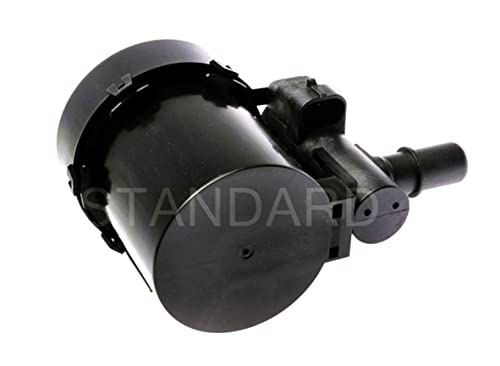
This guide is for owners of GM trucks and SUVs who need a replacement vent valve and want to order the right part the first time. The two valves below were chosen from the names and specifications shown on their Amazon product pages, and both belong to the same GM part-number family, so the choice comes down to brand, fitment year, and the details in each listing. The same guidance helps DIY mechanics facing a first repair.
Quick Picks
As an Amazon Associate we earn from qualifying purchases
| Product | Best for | Key spec from title |
|---|---|---|
| GM Genuine Parts 214-2149 | An exact GM replacement part | GM 25932571, 2 terminals, 5/8-in hose |
| Standard Motor Products CVS6 | A US-made interchange valve | Interchange for 25932571, 2 terminals |
How to Choose
Verify Fitment by Part Number
Fitment is everything with a vent valve, because a valve that looks right can still fail to seal or connect on the wrong vehicle. Start with the original part number from the old valve or the vehicle service manual, then compare it against the listing before ordering. The GM Genuine 214-2149 carries GM part number 25932571, and the Standard CVS6 is listed as an interchange for that same number, which ties both valves to the same family of GM trucks and SUVs. When in doubt, confirm the part number against the vehicle identification number with a dealer or a parts catalog. A dealer counter can check the number in minutes.
Match the Hose and Electrical Connections
A vent valve has a hose port and an electrical connector, and both must match the vehicle. The GM Genuine valve lists one port for a 5/8-inch hose and two terminals on the electrical connector, which are the details to check against the old part. Compare the port size, the connector shape, and the terminal count side by side with the valve being replaced, since a mismatch here means the new part cannot be installed at all. A photo of the old valve next to the listing image is a quick way to catch a difference before ordering. A connector that looks similar can still have a different pin layout, so compare carefully.
Understand the Interchange
An interchange part is built to replace a specific original part number, and the Standard CVS6 is listed as an interchange for GM 25932571. That means it is designed to fit the same vehicles and perform the same function as the original, often at a different point in the range of available options. Check the interchange list in the listing for the exact years and models covered, because an interchange can cover a slightly different year range than the original part. Both valves in this guide serve the same GM applications, so the interchange status is a real choice rather than a compromise. Check the interchange list, not the brand name on the box.
Watch for Symptoms Before Replacing
A vent valve is a small part with a big job, and replacing it without confirming the fault wastes time and effort. Common symptoms of a failing vent valve include a check engine light with an evaporative emissions code, difficulty starting right after filling the fuel tank, and a fuel smell near the rear of the vehicle. A scan tool that reads emissions codes helps confirm the diagnosis before any part is ordered. If the code points elsewhere, such as the purge valve or a cracked hose, a new vent valve will not fix the problem. A code reader that shows live data can confirm whether the valve opens and closes on command.
The 2 Best Options
GM Genuine Parts 214-2149
The GM Genuine Parts 214-2149 is the original equipment valve for a wide range of GM trucks and SUVs, carrying GM part number 25932571 and the ACDelco name. It fits Chevrolet Silverado and GMC Sierra 1500 models from 2004 through 2006 and from 2008 through 2010, along with Tahoe, Yukon, and Suburban models from 2004 through 2006 and Express and Savana vans from 2003 through 2010. The valve has one port for a 5/8-inch hose and two terminals on the electrical connector. For owners who want the exact part the vehicle left the factory with, this is the most direct replacement available.
Specs
- GM Genuine Parts, ACDelco brand
- GM part number 25932571
- Fits Silverado and Sierra 1500, 2004-2006 and 2008-2010
- Fits Tahoe, Yukon, and Suburban, 2004-2006
- Fits Express and Savana vans, 2003-2010
- 1 port for a 5/8-inch hose
- 2 terminals on the electrical connector
- Direct replacement for GM 25932571
Best for: Owners who want the exact original equipment valve for their GM truck or SUV.
Watch out for: Confirm the part number against the vehicle identification number, since nearby model years use different valves.
Standard Motor Products CVS6
The Standard Motor Products CVS6 is a US-made vent solenoid listed as an interchange for GM part number 25932571, which places it in the same application family as the GM Genuine valve above. It uses a two-terminal electrical connection and is listed for 2004 through 2006 Silverado 1500 models among other GM trucks and SUVs of the same era. Standard Motor Products is a long-established aftermarket brand, and the CVS6 gives owners a second source for the same repair when the original part is hard to find. Compare the year range in the listing against the vehicle before ordering, since the interchange coverage can differ slightly from the original part.
Specs
- Standard Motor Products brand
- Vent solenoid, US-made
- Interchange for GM part number 25932571
- 2-terminal electrical connection
- Fits 2004-2006 Silverado 1500 and related GM models
Best for: Owners who want a US-made interchange valve for the same GM 25932571 applications.
Watch out for: Check the interchange year range in the listing, since it can differ slightly from the original part coverage.
Which One Fits Your Situation
Silverado or Sierra 1500 Owner
Both valves in this guide cover the 2004 through 2006 Silverado and Sierra 1500, so either one fits the truck. The GM Genuine 214-2149 is the exact original part and also covers the 2008 through 2010 model years, while the Standard CVS6 is the interchange option for the earlier years. Check the truck’s model year first, then match it to the year range in the listing. A 2008 through 2010 truck needs the GM part.
Tahoe, Yukon, or Suburban Owner
Full-size GM SUVs from 2004 through 2006 use the same vent valve family, and the GM Genuine 214-2149 lists Tahoe, Yukon, and Suburban coverage directly. The Standard CVS6 belongs to the same interchange family, so it is also worth checking against the specific SUV and year. Confirm the part number on the old valve before ordering, since SUV applications can vary by drivetrain and trim. The Standard valve belongs to the same family.
Express or Savana Van Owner
Express and Savana vans from 2003 through 2010 use the GM Genuine 214-2149, which makes it the clear pick for van owners in that year range. Vans often run high mileage, so a vent valve fault can appear alongside other evaporative system wear. Replace the valve only after a scan confirms the code points to the vent circuit rather than a hose or the purge valve itself. Also check the hoses around the valve.
DIY Mechanic on a Tight Schedule
A vent valve swap is a common driveway repair, and the choice here is about getting the right part the first time. Pull the old valve, read its part number, and compare it against the listing before ordering either valve. Both options in this guide are two-terminal valves in the same part family, so the part number check prevents a wasted return. Pull the old valve first to read its part number.
Common Mistakes
- Ordering a vent valve without checking the part number against the old one still on the vehicle.
- Confusing a vent valve with a purge valve, which is a different part with a different job in the system.
- Ignoring the hose port size and finding the new valve will not connect.
- Replacing the valve before a scan confirms the fault is in the vent circuit.
- Skipping a check of the hoses and wiring around the valve during the swap.
Frequently Asked Questions
What does a vapor canister vent valve do?
The vent valve is a solenoid in the evaporative emissions system that opens and closes to control airflow through the charcoal canister. It lets the system vent fuel vapor at the right time and seals it off during self-tests. When it sticks open or closed, the system cannot hold pressure correctly, which usually triggers a check engine light and an emissions code.
How do I know my vent valve is failing?
Common signs include a check engine light with an evaporative emissions code, hard starts after refueling, and a fuel smell near the rear of the vehicle. A scan tool that reads emissions codes confirms the fault most reliably. If the code points to the vent circuit, the valve is a likely cause, yet check hoses and wiring too.
Is the Standard CVS6 the same as the GM part?
The CVS6 is listed as an interchange for GM part number 25932571, so it is designed to replace that original part in the same applications. It comes from a different factory, yet it fits the same vehicles and performs the same function. Check the interchange year range in the listing against the vehicle before ordering.
Can I drive with a faulty vent valve?
The vehicle will usually keep running, yet a faulty vent valve can cause hard starts after refueling and will fail an emissions test. Fuel vapor may also escape, which wastes fuel and creates a smell. It is best to diagnose the fault with a scan tool and replace the valve promptly rather than driving with the warning light on for weeks.

Write Your Review
No reviews yet. Be the first to share your experience!