
⚡ Key Takeaways
- What the EPA Actually Says
- When Duct Cleaning Genuinely Works
- Where the Claims Get Exaggerated
- Does It Improve Energy Efficiency?
- How to Make Cleaning Actually Effective
- Why the Research Is Limited
- Common Duct Cleaning Scams to Avoid
- The Bottom Line on Effectiveness
- What Cleaning Can and Cannot Solve
- Top-Rated Picks
- Frequently Asked Questions
- Conclusion
- Related Articles
- Related Guides
- The EPA states that duct cleaning has not been conclusively shown to prevent health problems, and that dust in ductwork doesn't necessarily mean unhealthy air.
- If mold is growing inside your ductwork, professional cleaning and remediation remove the source and stop spores from circulating.
- Marketing often promises dramatic health improvements, allergy cures, and huge energy savings.
- If a thick layer of debris was choking airflow or coating the coil, removing it can restore efficiency and reduce strain on the blower.
Walk through any neighborhood and you’ll spot the flyers: “Whole-home duct cleaning, only $99!” But does air duct cleaning work, or is it an overhyped service that rarely delivers? The honest answer is nuanced. The U.S. EPA’s official position is that duct cleaning has never been shown to prevent health problems in typical homes, yet it also acknowledges clear situations where cleaning is genuinely warranted. This article weighs the evidence, separates marketing claims from reality, and helps you decide when cleaning makes sense for your home.
🛒 Best Price Today on Amazon
Prime members get fast, free shipping on everything above, plus member-only deals. New members get a 30-day free trial — cancel anytime.
What the EPA Actually Says
The EPA states that duct cleaning has not been conclusively shown to prevent health problems, and that dust in ductwork doesn’t necessarily mean unhealthy air. Much of the dust inside ducts adheres to surfaces and doesn’t continuously circulate. Because of this, the EPA does not recommend routine cleaning as a default practice. However—and this is the crucial caveat—the agency does recommend cleaning under specific conditions where contamination is real and significant.
The three EPA-endorsed reasons to clean
The EPA says you should consider cleaning your ducts if there is: (1) visible mold growth inside the ducts or on other HVAC components, (2) an infestation of rodents or insects, or (3) ducts so clogged with debris that particles are actually being released into your living space. These are situations where cleaning provides measurable benefit.
When Duct Cleaning Genuinely Works
Mold contamination
If mold is growing inside your ductwork, professional cleaning and remediation remove the source and stop spores from circulating. This is a legitimate health and property concern. Mold often stems from condensation, which is why proper attic air duct insulation matters for prevention.
Pest infestations
Rodents and insects leave droppings, nesting material, and odors. Cleaning removes these contaminants, and sealing entry points keeps them out. There’s no debate that this improves your indoor environment.
Heavy debris and post-construction dust
Ducts packed with construction debris, excessive dust, or pet hair restrict airflow and can release particles. Clearing them restores efficiency and reduces what circulates. This is where cleaning delivers a tangible payoff.
Where the Claims Get Exaggerated
Marketing often promises dramatic health improvements, allergy cures, and huge energy savings. The evidence for these sweeping claims is thin in average homes. A lightly dusty duct system in an otherwise clean house won’t transform your health or slash your bills. Be skeptical of guarantees that sound miraculous, and especially wary of the ultra-cheap coupons that exist mainly to get a technician in the door for upselling.
| Claim | Evidence Verdict |
|---|---|
| Removes visible mold from ducts | Supported — legitimate benefit |
| Eliminates pest contamination | Supported — legitimate benefit |
| Restores airflow in clogged ducts | Supported in heavily soiled systems |
| Cures allergies or asthma | Weak — not proven in typical homes |
| Dramatically lowers energy bills | Limited — only if buildup was severe |
Does It Improve Energy Efficiency?
This depends entirely on how dirty the system was. If a thick layer of debris was choking airflow or coating the coil, removing it can restore efficiency and reduce strain on the blower. But for ducts with only light dust, efficiency gains are minimal. If your goal is better airflow to specific rooms, a register booster fan often delivers more noticeable comfort than a full cleaning.
How to Make Cleaning Actually Effective
If you do decide to clean, the method matters enormously. Effective cleaning uses “source removal”—a powerful vacuum creates negative pressure while agitation tools dislodge debris throughout the system. Avoid “blow and go” operators who barely touch the ducts. Hire NADCA-certified, insured contractors and ask for before-and-after camera footage so you can verify the work.
Pair cleaning with better filtration
Cleaning only helps if you keep new debris out afterward. A quality electrostatic furnace filter traps fine particles before they settle, and well-fitted air vent covers reduce dust intrusion. Without good filtration, ducts simply get dirty again.
Why the Research Is Limited
Part of the reason the evidence feels murky is that rigorous, controlled studies on duct cleaning are scarce and difficult to conduct. Measuring how much cleaning improves health requires isolating duct contamination from the dozens of other factors that affect indoor air—filtration, ventilation, humidity, cooking, smoking, and outdoor air all play roles. Because so many variables are in play, it’s hard to attribute a health improvement to the ducts alone. This doesn’t mean cleaning is useless; it means the sweeping marketing claims outrun what science can confirm. The honest takeaway is that cleaning reliably removes contaminants you can see and document, but its broad health benefits in an average home remain unproven.
It’s also worth noting that much of the dust in a duct system clings to the interior surfaces and doesn’t continuously recirculate. The EPA points this out specifically: visible dust in a duct doesn’t automatically mean the air you breathe is contaminated. That nuance is exactly why “as needed” beats routine cleaning—you want to act on real, circulating problems, not just the presence of some settled dust.
Common Duct Cleaning Scams to Avoid
Because the service is easy to oversell, the industry has its share of bad actors. The classic scam starts with a deeply discounted coupon—often $49 to $99 for “whole-home” cleaning. Once inside, the technician “discovers” alarming problems and pressures you into hundreds or thousands of dollars in add-ons. Other red flags include unsolicited phone or door-to-door sales, claims that cleaning is legally required, refusal to provide written estimates, and an unwillingness to show camera footage of your actual ducts. Protect yourself by hiring only NADCA-certified, insured companies, getting multiple written quotes, and insisting on visual proof of any problem before you authorize work.
The Bottom Line on Effectiveness
Duct cleaning works when there’s a real problem to solve—mold, pests, or heavy contamination. It’s far less impactful as routine maintenance in a clean, well-maintained home. The smartest strategy is to inspect your system, address genuine contamination promptly, and otherwise invest in filtration and maintenance that prevent buildup in the first place.
What Cleaning Can and Cannot Solve
Setting realistic expectations is the key to feeling satisfied with the result. Cleaning can physically remove the dust, debris, pet hair, mold, and pest residue sitting inside your ductwork. It can restore airflow when a system was genuinely clogged, and it can eliminate odors caused by contamination. Those are real, verifiable outcomes. What cleaning cannot do is permanently change your air quality if the underlying sources keep refilling the system. If you have pets, smoke indoors, run a cheap filter, or live with high humidity, the ducts will simply get dirty again. Cleaning is a reset, not a cure.
This is why pairing any cleaning with prevention is essential. The homeowners who get the most lasting value treat cleaning as one step in a broader plan: remove the existing contamination, then upgrade filtration, control humidity, and seal leaks so the problem doesn’t immediately return. Viewed that way, cleaning absolutely works—but it works best as part of a system, not as a one-time miracle fix.
Top-Rated Picks
As an Amazon Associate we earn from qualifying purchases at no extra cost to you.


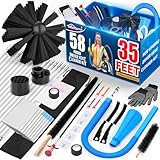

| Product | Brand | Rating | Reviews | Price |
|---|---|---|---|---|
| AC Infinity Flexible 4-Inch Aluminum Ducting, Heavy-D… | ACInfinity | ★ 4.7 | 16.6k | under $30 |
| VIVOSUN 4 Inch Flexible Aluminum Ducting, 25 Feet Lon… | — | ★ 4.6 | 7.1k | under $20 |
| VIVOSUN Dryer Vent Hose, 4 inch Aluminum Foil Ducting… | — | ★ 4.6 | 7.1k | under $20 |
| Cenipar Dryer Vent Hose-4 inch Ducting Vent Hose Flex… | Cenipar | ★ 4.6 | 5.2k | under $20 |
| Hon&Guan Dryer Vent Hose, 4'' Flexible Duct 16FT with… | HonGuan | ★ 4.3 | 8.8k | under $20 |
Frequently Asked Questions
Does air duct cleaning really work?
Yes, when there’s genuine contamination like mold, pests, or heavy debris. It’s far less effective as routine maintenance in a clean home, where the EPA notes no proven health benefit.
Will duct cleaning help my allergies?
If allergens are heavily concentrated in your ducts, removing them may help temporarily. But for lasting relief, better filtration and humidity control usually matter more than a one-time cleaning.
Is duct cleaning a waste of money?
It’s worthwhile when addressing real contamination, and a waste when sold as unnecessary routine service or through misleading cheap coupons. Always confirm there’s an actual problem first.
How can I verify the cleaning worked?
Ask for before-and-after camera footage of the inside of your ducts. A reputable, NADCA-certified contractor will document the condition so you can see the difference.
What’s better than cleaning for everyday air quality?
Consistent filter changes, controlling humidity, vacuuming regularly, and sealing leaks deliver steady benefits. These prevent the buildup that would eventually require cleaning.
Conclusion
So, does air duct cleaning work? It depends on the problem. For mold, pests, or heavy debris, the answer is a clear yes—cleaning removes real contaminants and restores efficiency. For routine upkeep in a clean home, the evidence is weak, and the EPA doesn’t recommend it as a default. Inspect your system, treat genuine issues, hire certified pros, and rely on filtration and maintenance to keep your air fresh between cleanings.
Top picks from this guide
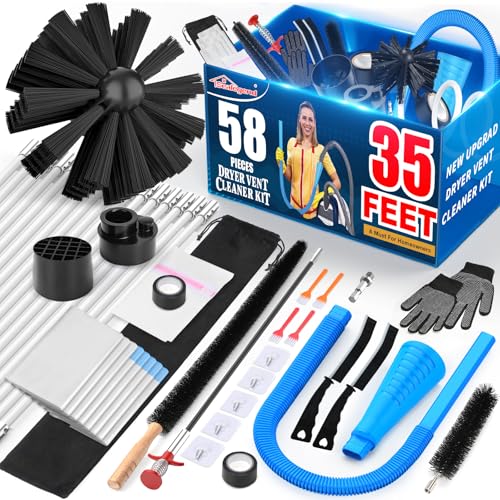 SealegendSealegend 58-Pieces 35-Feet Dryer Vent Cleaner Kit, Dryer Cleaning Tools$27 \xc2\xb7 98/100
 HolikmeHolikme Dryer Vent Cleaner Kit - 30Ft Fireplace Chimney Brushes…$23 \xc2\xb7 96/100
 NORTHWEST ENTERPRISESNORTHWEST ENTERPRISES Air Duct Cleaner Spray & Deodorizer, Linen Breeze$25 \xc2\xb7 96/100
 EnovorldDryer Vent Cleaner Kit 32FT, Improve Dryer Efficiency & Reduce…$35 \xc2\xb7 96/100







Write Your Review
No reviews yet. Be the first to share your experience!