
Choosing between a foam filter and a cartridge filter shop vac is less about finding the “better” filter and more about matching the filter to the mess your home produces. A foam sleeve is typically designed for wet pickup, while a cartridge filter is intended for dry debris such as sawdust, dirt, drywall dust, and household grit. Some wet/dry vacuums allow both, but they are not interchangeable in every situation.
The real decision is practical: Do you need to collect spilled water and other liquids, or do you mainly want strong filtration for dry cleanup? You also need to consider storage space, replacement cost, cleaning habits, and whether fine dust is part of the job. This guide compares foam filter vs cartridge filter shop vac options so you can choose confidently for your home in 2026.
As an Amazon Associate we earn from qualifying purchases at no extra cost to you.


Quick Verdict
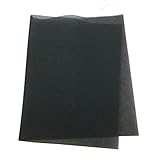
Choose a foam filter if your primary need is wet pickup. It is washable, relatively inexpensive, and easy to install on many wet/dry vacuums. Foam is useful for basement leaks, clogged sinks, refrigerator defrost water, and other liquid spills. It is not the right choice for fine dry dust unless the vacuum manufacturer specifically says it can be used that way.
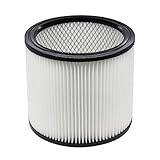
Choose a cartridge filter for routine dry cleanup. Cartridge filters provide more surface area for dust collection and are available in standard, fine-dust, and HEPA-rated versions. They are better suited to sawdust, dirt, pet hair, workshop debris, and renovation cleanup. A cartridge filter can sometimes be rinsed, but it must be completely dry before reuse.
If you regularly switch between wet and dry jobs, buy a compatible foam sleeve and cartridge filter rather than trying to make one filter handle everything.
Side by Side
| Consideration | Foam filter | Cartridge filter |
|---|---|---|
| Best use | Wet pickup and liquid spills | Dry debris, dust, dirt, and workshop cleanup |
| Comfort | Lightweight and quick to remove; less mess when rinsed | Less frequent handling, but dusty when tapped or brushed clean |
| Durability | Often lasts several years with gentle washing; can tear if stretched | Usually sturdy, but pleats clog or deform with heavy use |
| Typical price range | About $5–$20 | About $15–$45; specialized filters can cost more |
| Maintenance | Rinse with water and air-dry completely | Shake, brush, or rinse only if approved; dry fully before reinstalling |
| Space needed | Compact and flexible when stored dry | Rigid and bulkier, commonly about 7–10 inches tall |
| Look | Simple black or gray fabric-like sleeve | Pleated paper or synthetic cartridge in a plastic frame |
| Resale appeal | Helpful mainly for buyers who need wet pickup | Usually more appealing for general-purpose dry cleanup |
| Best for | Leaks, drains, spills, and occasional liquid cleanup | Homes, garages, workshops, vehicles, and renovation projects |
Where Foam Filter Wins
A foam filter is the straightforward choice when water or another nonflammable liquid is going into the vacuum. Its open-cell construction allows airflow while helping keep liquid away from the motor area. A foam sleeve is commonly used after removing the paper bag or dry cartridge, though your vacuum’s manual should always take priority.
Foam also wins on cleaning convenience. After wet pickup, you can usually remove the sleeve, rinse it under a faucet, squeeze out excess water carefully, and let it air-dry. Do not reinstall a damp filter for dry pickup. Moisture can restrict airflow, encourage odor, and damage components depending on the vacuum design.
Replacement foam is generally affordable. For example, open-cell foam sold for air-conditioner filtration, such as the 15-by-24-inch Frost King foam filter priced at $4.49, illustrates how inexpensive basic foam material can be. However, a general foam sheet is not automatically a safe or compatible shop-vac filter. The thickness, density, fit, and intended use must match the vacuum. Aquarium media, including an ALEGI Aquarium Sponge Filter Pad priced at $8.99, is another example of low-cost open-cell foam, but it is not a substitute unless the vacuum manufacturer specifically approves the material.
Foam is also convenient for households that use a wet/dry vacuum only a few times each year. It takes little storage space and does not require a rigid frame. Its main limitation is filtration: large-pore foam is not designed to capture the fine particles that a pleated cartridge can trap.
Where Cartridge Filter Shop Vac Wins
A cartridge filter is the better all-around option for dry household work. The pleats create considerably more filtering surface than a flat sheet, helping the vacuum maintain airflow while collecting dirt. A standard cartridge is appropriate for general debris, while a fine-dust or HEPA-rated version is better for drywall dust, ash only when explicitly rated for it, and other very small particles.
Cartridge filters also reduce the need to change filters during a dry cleanup session. A 5-gallon or larger wet/dry vacuum may hold a cartridge several inches tall and roughly 6–9 inches across, depending on the model. Larger filters can support longer cleaning sessions, although capacity depends on the pleat design, dust load, and motor airflow—not just physical size.
Maintenance is more involved than with foam. You may be able to tap a cartridge gently against a hard surface outdoors or brush away surface dust. Some synthetic cartridges are washable, but paper cartridges generally are not. If washing is allowed, use low water pressure and allow the filter to dry for at least 24 hours, or until no moisture remains.
Compatibility is crucial. A replacement labeled for Shop-Vac 90350, 90304, or 90333 may fit particular wet/dry vacuum models, but model numbers and dimensions should be checked before ordering. A 90304 replacement filter kit listed at $21.99 and an Extolife replacement advertised for Shop-Vac 90350/90304/90333 at $14.99 show the common replacement range, but a lower price does not guarantee the correct seal or filtration rating.
Cost Over 5 Years
For a basic comparison, assume a homeowner already owns a compatible wet/dry vacuum and uses it about twice a month. A foam setup might cost $8–$20 initially, with one replacement during five years. That puts the filter total around $16–$40, excluding water and cleaning supplies.
A standard cartridge filter may cost $15–$45 initially and need replacement every 12–24 months, depending on dust exposure and cleaning. Over five years, the likely filter total is about $45–$135. Fine-dust or HEPA cartridges can raise that total to approximately $75–$200.
These estimates are not performance guarantees. A cartridge used for frequent remodeling may clog in months, while a lightly used foam sleeve may last far longer than five years. The cheapest option is the one that matches the job: using a foam sleeve for fine dry dust can shorten its life and spread particles, while using a disposable or specialized cartridge for occasional water pickup may ruin the filter.
Which One for Your Home
Small apartment
Choose a cartridge filter if the vacuum is mainly for crumbs, entryway grit, pet hair, and occasional furniture or car cleanup. A compact 2–5 gallon wet/dry vacuum with a cartridge filter is easier to justify than storing separate equipment. Add a small foam sleeve only if you expect plumbing spills or appliance leaks.
Family with kids and pets
A cartridge filter is the better everyday choice. It handles tracked-in dirt, litter, hair, and dry spills more effectively. Keep a foam sleeve available for tipped drinks, bathtub overflow, or basement water. For allergy concerns, look for a sealed vacuum and a manufacturer-approved fine-dust or HEPA cartridge rather than relying on ordinary foam.
Rental
Renters often benefit from a cartridge filter because it covers routine cleaning without taking much storage space. If the unit has a basement, laundry area, or older plumbing, a foam sleeve is a low-cost backup. Check the lease and local disposal rules before using a shop vac for large water losses or contaminated liquids.
Long-term home
Keep both filters if you own the vacuum for years. Use the cartridge for woodworking, garage debris, fireplace-area dust when approved, and household cleaning. Switch to foam for clean water pickup. Label each filter and store the foam fully dry in a ventilated place so changing between tasks remains simple.
FAQ
Can I use a foam filter for dry debris?
Only if the vacuum manufacturer specifically permits it. Many foam sleeves are intended for wet pickup and have pores too large to capture fine dry dust. Using one for dry debris can release particles through the exhaust and may expose the motor to dust.
Can I use a cartridge filter for wet pickup?
Usually not. A standard paper cartridge can become saturated, collapse, or grow mold if left wet. Remove the dry cartridge before collecting liquid unless the manufacturer identifies that specific filter as suitable for wet pickup.
How often should a shop-vac filter be replaced?
Replace it when pleats remain clogged after approved cleaning, the material is torn, the seal is damaged, airflow stays weak, or dust escapes from the exhaust. Light household use may allow a cartridge to last two years or more; renovation and workshop use can require replacement much sooner.
Is a washable cartridge better than a foam filter?
Not automatically. A washable cartridge can be more practical for repeated dry cleanup, while foam remains simpler for wet pickup. Compare the filter’s approved use, filtration rating, dimensions, and replacement cost rather than choosing based only on the word “washable.”
Ready to decide? Our #1 pick for 2026 is the Best use.
Live price & availability on Amazon.



Write Your Review
No reviews yet. Be the first to share your experience!