
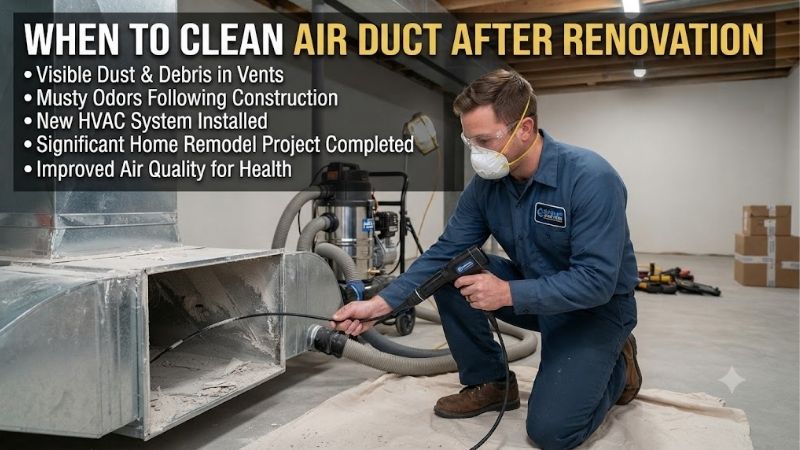
When to clean air ducts after renovation depends heavily on your post-construction cleanup progress. Fine sawdust and drywall grit quickly settle inside supply channels during remodeling work. Waiting until major sanding ends protects your HVAC blowers while preventing continuous dust recirculation in home space.
How to Choose the Right When to Clean Air Ducts After Renovation Strategy
Deciding when to clean air ducts after renovation requires assessing dust contamination levels across your living areas. Inspecting register grilles and filter slots gives clear clues before running heating or cooling units. Knowing the right time prevents airborne debris from spreading into clean rooms.
Evaluation of Heavy Drywall Dust in Vents
Checking for drywall dust in vents provides an immediate signal that your ventilation system requires thorough attention. Uncovered grilles during wall sanding allow powdery residue to enter deep return channels. Clearing heavy surface particles before starting your HVAC prevents motor strain and filter clogging.
Ignoring visible white powder inside supply boxes leads to poor airflow performance throughout the property. Homeowners should inspect return registers using flashlights to confirm whether interior surfaces hold dense dust layers. Identifying heavy deposits early keeps indoor air clean after remodeling work.
Completion Status of Structural Remodeling Work
Timing your HVAC cleaning after all major construction trades finish prevents repeat contamination inside fresh ductwork. Tile cutting, floor sanding, and sheetrock taping generate airborne debris until final site sweeping. Cleaning premature vent lines while workers still generate dust wastes time and money.
Wait until general contractors clear out equipment and complete final touch-up work before servicing vents. A complete post-renovation dust cleanup ensures no additional particles enter your return system during subsequent tasks. Scheduling your duct refresh at project completion ensures lasting air quality.
Inspection using Borescope Camera Tools
Conducting a thorough HVAC duct inspection with specialized cameras reveals hidden debris settled deep inside rigid metal lines. Flexible probes traverse sharp turns to highlight fine sawdust or insulation fibers missed during surface sweeping. Visual evidence confirms if mechanical cleaning is truly necessary.
A clear camera view helps homeowners distinguish light settled dust from severe structural blockages near dampers. Utilizing a digital borescope camera allows precise monitoring of internal duct conditions without cutting access panels. Visual checks ensure you schedule professional maintenance at the right moment.
Top Picks for Post-Renovation Duct Maintenance
Selecting proper tools helps determine when to clean air ducts after renovation while enabling basic DIY maintenance. High-quality endoscopes and vacuum attachments let you inspect and clear shallow vent runs effortlessly. Reliable equipment ensures your HVAC system remains clean and free from heavy dust.
DEPSTECH DS300 Dual Lens Endoscope Camera
Designed for homeowners verifying when to clean air ducts after renovation, the DEPSTECH DS300 offers crisp dual lenses and a clear display. Its 16.5-foot semi-rigid cable navigates tight turns easily, letting you spot settled drywall dust in vents. Bright adjustable LEDs clarify dark metallic duct corners.
Image showing DEPSTECH DS300 endoscope checking drywall dust in vents.
However, the recorded video frame rate feels slightly laggy during fast probe movements inside long vent pipes. Additionally, the semi-rigid cable can snag on sharp sheet metal edges if pulled roughly. Despite minor limitations, it remains a dependable choice for post-construction HVAC inspection.
Teslong NTS500 Dual Lens Inspection Camera
Ideal for detailed HVAC duct inspection tasks, the Teslong NTS500 features a premium five-inch HD screen and dual camera probe. The side-view lens effortlessly exposes hidden construction debris trapped behind duct dampers. High contrast displays clarify subtle debris accumulation inside main trunk lines.
Image showing Teslong NTS500 inspection camera exploring ductwork contamination after renovation.
On the downside, button navigation menus feel somewhat awkward during initial setup in cramped attics. The sturdy main monitor is also slightly bulky compared to mobile app options. Nevertheless, its superior display clarity makes identifying ductwork contamination fast, precise, and highly reliable.
Klein Tools ET20 WiFi Inspection Borescope
Perfect for quick spot checks, the Klein Tools ET20 streams real-time footage straight to your smartphone via wireless connection. Its compact camera head easily enters narrow register openings to evaluate clogged air filters and vent entryways. High portability simplifies fast room-by-room HVAC checks.
Image showing Klein Tools ET20 flexible borescope cable inserted into air register box.
However, WiFi signals can occasionally drop when moving behind thick concrete walls or basement floors. The six-foot probe length also restricts deep exploration inside long main trunk ducts. Still, its durable construction and phone integration offer great convenience for fast residential visual checks.
Holikme 2-Piece Dryer Vent Cleaner Kit
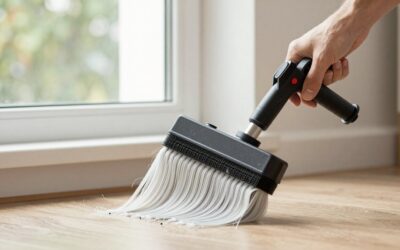
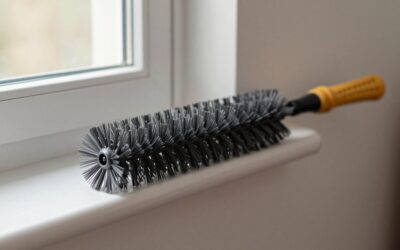
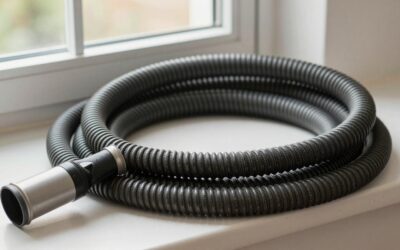
Great for budget-conscious DIYers needing construction dust removal assistance, this Holikme attachment kit connects easily to standard vacuum hoses. The extra-long flexible guide hose reaches shallow register boots to suction out heavy grit. Soft brush bristles loosen stuck sawdust without scraping inner walls.
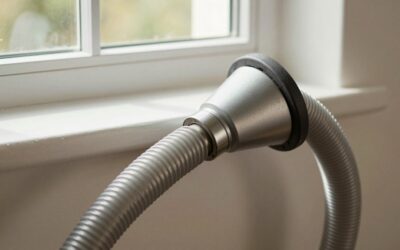
Image showing Holikme vacuum hose attachment cleaning dust inside vent openings.
Nevertheless, the narrow hose diameter can clog quickly when encountering large drywall fragments or wood chips. Connecting the adapter securely to non-standard shop vacuum nozzles may also require extra tape. Regardless of minor fit issues, it provides a cost-effective solution for cleaning register boxes.
Sealegend Dryer Vent Cleaner Hose Attachment
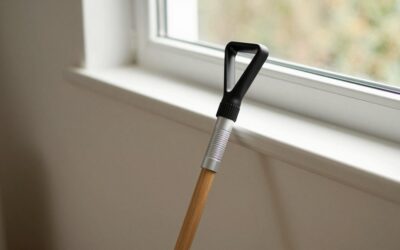
Tailored for quick debris removal around floor vents, the Sealegend attachment provides powerful suction reach inside narrow openings. Its durable rubber hose withstands sharp duct edges while drawing out trapped sawdust and plaster bits. Simple setup helps homeowners clear shallow vent lines without hired pros.
Image showing Sealegend vacuum attachment removing sawdust from floor register boot.
However, the flexible hose tends to curl inside wider duct trunks, limiting straight linear forward motion. Suction power can also drop slightly if your vacuum lacks high horsepower output. Despite slight suction dependency, it offers reliable performance for clearing surface dust post-renovation.
| Product Model | Display / Tool Type | Reach / Cable | Primary Advantage | Price Tier |
|---|---|---|---|---|
| DEPSTECH DS300 | 4.3-inch LCD | 16.5 ft | Dual lens split camera | Moderate |
| Teslong NTS500 | 5.0-inch IPS HD | 9.8 ft | High-resolution screen | Premium |
| Klein Tools ET20 | Smartphone App | 6.0 ft | Compact WiFi operation | Moderate |
| Holikme 2-Piece Kit | Vacuum Attachment | 3.5 ft | Budget debris removal | Budget |
| Sealegend Attachment | Vacuum Attachment | 3.0 ft | Flexible rubber design | Budget |
Frequently Asked Questions
Answering common queries helps homeowners understand when to clean air ducts after renovation for optimal HVAC protection. Clarifying timeline concerns, equipment needs, and dust risks ensures proper ventilation care. Addressing these key questions empowers you to maintain healthy indoor air quality.
Should you run the HVAC system during home remodeling?
Running your heating and cooling system during active demolition allows fine post-renovation dust to enter return ducts rapidly. Unprotected return vents draw suspended sawdust and joint compound particles directly into furnace blower fans. Turning off your system or sealing grilles protects central equipment.
If climate control is mandatory during work, cover return registers with temporary fiberglass filter material. Replacing clogged air filters frequently prevents heavy strain on system blower motors while construction proceeds. Sealing unused vents keeps heavy drywall debris out of main supply lines entirely.
What happens if you delay cleaning ducts after renovation?
Delaying vent cleaning allows settled construction dust to recirculate constantly whenever your HVAC system turns on. Fine particle accumulation inside heat exchangers reduces operating efficiency while increasing monthly energy costs. Long-term dust buildup also leads to persistent musty odors across living areas.
Accumulated grit on internal blower components causes mechanical wear, potentially leading to costly equipment failure over time. Residents with respiratory sensitivity may experience heightened allergy symptoms from floating fine particles. Prompt cleaning restores peak system performance and improves home comfort.
Can you clean post-renovation air ducts yourself?
Homeowners can perform effective surface cleaning around register boots and branch lines using heavy-duty vacuum attachments. Removing grilles and vacuuming accessible openings clears initial debris without special training. DIY vent cleaning tools work exceptionally well for minor dry dust accumulation in room vents.
However, deep main trunk lines require high-powered negative air pressure equipment operated by trained professionals. Attempting to scrape deep ductwork manually can damage internal insulation or loosen sheet metal joints. Basic DIY maintenance handles outer vent boxes while pros tackle deep system lines.
How do you protect air vents during active construction?
Sealing all return and supply registers with plastic sheeting and painters tape blocks incoming dust during active sanding. Keeping vents covered prevents heavy drywall particulates from entering branch lines before construction finishes. Proper vent sealing minimizes post-project cleanup work significantly.
Additionally, placing temporary air scrubbers or portable HEPA purifiers near work zones traps floating fine particles immediately. Vacuuming work areas daily prevents loose dust from migrating into adjacent unsealed home vents. Proactive protection ensures your ductwork stays clean throughout remodeling.
Final Thoughts
Understanding when to clean air ducts after renovation ensures your heating and cooling equipment stays efficient while keeping indoor air fresh. Inspecting vents with camera tools and removing surface debris protects your living space. Taking action right after project completion guarantees a clean home environment.
As an Amazon Associate we earn from qualifying purchases at no extra cost to you.



Write Your Review
No reviews yet. Be the first to share your experience!