
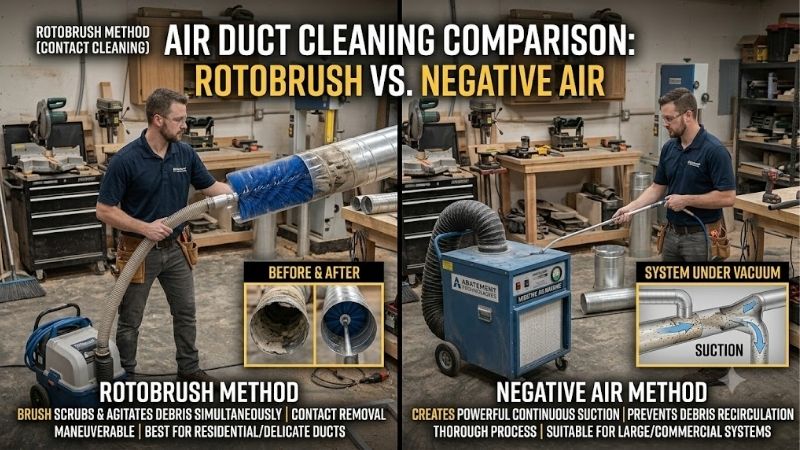
Rotobrush vs negative air duct cleaning represents a vital choice for HVAC maintenance professionals and homeowners seeking optimal ventilation care. While rotary brushes physically scrub debris from duct walls, high CFM suction systems pull contaminants downstream under continuous vacuum seal pressure.
How to Choose the Right Rotobrush vs Negative Air Duct Cleaning Setup
Selecting between these popular methods in a rotobrush vs negative air duct cleaning analysis requires understanding your building duct architecture and debris volume. Continuous mechanical scrubbing excels in rigid steel trunks, while negative pressure containment prevents cross contamination effectively.
Airflow CFM and Suction Mechanics
Evaluating system airflow capacity in a rotobrush vs negative air duct cleaning context is fundamental when restoring residential or commercial HVAC ducts. High CFM equipment relies on negative pressure ventilation to isolate duct trunks and draw loosened dust directly into sealed containment units.
Conversely, localized rotary equipment utilizes lower vacuum volume concentrated around the rotating brush head. While this approach effectively collects heavy surface buildup in smaller lines, it lacks the massive volumetric pull needed to evacuate distant main plenums without auxiliary air whipping accessories.
Agitation Method and Surface Contact
Mechanical agitation determines how efficiently clinging dust and mold spores separate from interior sheet metal surfaces. An integrated HVAC duct agitation tool spins soft or stiff bristles along duct walls, physically scraping stubborn cake layer buildup that air pressure alone cannot dislodge during routine sweeps.
Negative pressure setups instead employ pneumatic skip line nozzles, air whips, or manual brushes to agitate debris toward the collector. While safer for delicate flexible ductwork, air agitation may require multiple directional passes to achieve the same surface cleanliness as direct mechanical brushing.
Filtration and Containment Quality
Containing dislodged particles prevents dangerous allergen recirculation throughout living spaces during heavy maintenance tasks. Modern HEPA vacuum collection systems capture 99.97% of airborne particulate matter down to 0.3 microns, ensuring hazardous dust and mold spores remain sealed in high-efficiency filters.
Both equipment designs must feature multi-stage filtration to preserve indoor environment quality throughout the process. Lower quality filtration setups risk exhausting microscopic debris back into the room, making certified sealed filtration a non-negotiable requirement for professional grade vent cleaning.
Top Picks for Duct Cleaning Equipment
Reviewing top market tools highlights how comparing rotobrush vs negative air duct cleaning gear helps buyers choose ideal tools. The following real Amazon tools offer outstanding performance for DIY homeowners and professional technicians seeking reliable duct restoration, efficient debris suction, and long tool life.
| Product Name | Core Technology | Best For | Key Advantage |
|---|---|---|---|
| Holikme 30 Ft Duct Cleaning Kit | Rotary Drill Drive | DIY Homeowners | High-tensile flexible nylon shafts |
| Vacmaster Beast Series 14 Gal HEPA | High CFM HEPA Extraction | Negative Air DIY | Industrial 102 CFM suction power |
| Teslong Dual Lens Borescope Camera | Visual Inspection | Duct Diagnostics | 1080P dual camera with LED lights |
| Sealegend 37 Pc Vent Cleaner Set | Rotary Brush / Adapters | Deep Vent Sweeps | Multi-attachment hose adapter package |
| Gardus LintEater RLE202 System | Rotary Whip / Auger | Flex & Rigid Ducts | Self-feeding rotary head technology |
Holikme 30 Ft Duct Cleaning Kit
Ideal for budget-conscious homeowners, this widely popular ductwork cleaning kit connects to standard cordless drills to clear line debris quickly. Its flexible nylon extension rods navigate 90-degree elbows effortlessly while dense brush bristles scrub away accumulated lint and heavy dust from narrow duct pathways.
However, operating threaded rod connections requires strict clockwise rotation to avoid detaching components inside wall cavities. Users must keep power drills in forward mode throughout extraction for safe operation. Overall, it delivers exceptional cost-effective value for residential air duct cleaning projects.
Vacmaster Beast Series 14 Gal HEPA Vacuum
Designed for contractors and serious DIYers, this commercial duct vacuum features a powerful 6.5 Peak HP motor and certified HEPA filtration. It generates high volumetric airflow required for effective negative pressure collection, pulling dislodged dust directly out of trunk lines without blowing fine particles.
The substantial tank size and heavy chassis make it slightly bulky when navigating narrow stairwells during single-person jobs. Nevertheless, its relentless suction power and sealed filtration make it an indispensable foundation for negative pressure air cleaning strategies across residential properties.
Teslong Dual Lens Endoscope Camera
Essential for thorough ductwork inspections, this advanced air duct inspection camera provides clear HD video footage inside hidden vent trunks. Its dual camera lenses and adjustable LED lights allow technicians to inspect debris buildup before cleaning and verify complete contaminant removal after finishing.
While the semi-rigid cable navigates standard duct runs smoothly, pushing past multiple consecutive sharp turns may require manual rod assistance. Despite this handling detail, its crisp visual feedback takes the guesswork out of duct cleaning and provides verifiable results for satisfied property owners.
Sealegend 37 Piece Duct Cleaner Set
Perfect for comprehensive HVAC maintenance, this versatile system excels at flexible duct cleaning across extended residential lines. The kit combines heavy-duty flexible rods, multiple bristle brush sizes, vacuum hose adapters, and specialty lint grabbers to handle complex duct configurations with total ease.
Connecting multiple rod segments requires careful handling to ensure tight fittings before inserting into long duct runs. Reversing drill rotation can uncouple screw threads inside ducts. Nevertheless, its rich accessory package provides incredible versatility for thorough home vent and duct cleaning tasks.
Gardus LintEater RLE202 Rotary System
Engineered for residential duct restoration, this rotary tool drastically boosts indoor air quality by removing stubborn wall cake deposits. Its self-feeding auger brush head and vacuum adapters work together to dislodge debris while simultaneously connecting to shop vacuums for continuous dust collection.
The extension rods are firmer than basic nylon cables, requiring larger radius turns when navigating rigid metal elbows. Operating instructions must be followed carefully to prevent line binding. Overall, its aggressive scrubbing capability makes it a prime choice for heavily neglected home vent systems.
Frequently Asked Questions
Addressing common queries regarding rotobrush vs negative air duct cleaning setups helps buyers choose equipment suited for their maintenance goals. Understanding equipment mechanics, safety precautions, and operational efficiency ensures optimal air duct cleaning results. Here are clear answers to top questions.
Which method is safer for flexible foil ductwork?
Negative air methods using soft air whips or regulated compressed air nozzles are generally safer for flexible ductwork than rigid spinning brushes. High speed rotary brushes can easily puncture or tear thin foil linings if operated with excessive torque or aggressive bristle heads inside tight turns.
Integrating a dedicated dust extraction system with gentle air agitation preserves duct structural integrity while removing light dust. When using rotary brushes in flex ducts, always select soft nylon bristles and operate power drills at low speeds to prevent unexpected duct surface damage.
Can a shop vacuum replace a commercial negative air collector?
Standard shop vacuums lack the extreme cubic feet per minute airflow capacity required to pull full negative pressure across entire residential HVAC trunks. While a shop vacuum works well for localized point-of-contact suction during brushing, it cannot isolate long main trunk lines effectively on its own.
Additionally, standard shop vacuums without true HEPA filtration may blow fine dust particles back into indoor air. For proper negative pressure cleaning, technicians rely on high CFM extractors equipped with multi-stage HEPA containment units to capture microscopic contaminants safely.
How often should residential HVAC ducts be professionally cleaned?
Most industry experts recommend thoroughly inspecting and cleaning residential HVAC air ducts every three to five years under normal operating conditions. However, homes with indoor pets, recent remodeling debris, or residents suffering from severe allergies may require more frequent duct cleaning cycles.
Regular visual inspections using endoscope cameras help homeowners monitor internal dust accumulation between major cleanings. Establishing routine maintenance schedules maintains peak heating and cooling system airflow efficiency while extending expensive mechanical equipment service lifespan.
Does rotary brushing remove stuck mold and heavy dust cake better?
Yes, physical bristle contact from a spinning brushhead excels at scrubbing sticky, compacted debris from rigid metal duct interiors. Where high velocity air streams might bypass stubborn cake buildup, direct mechanical agitation dislodges adhered particles so vacuum airflow can carry them away easily.
Evaluating rotobrush vs negative air duct cleaning options reveals that combining both yields superior results on heavy buildup. The brush breaks up encrusted surface contaminants while continuous suction prevents dislodged dust from settling back into clean duct runs during the restoration process.
Final Thoughts
Selecting between rotobrush vs negative air duct cleaning depends on your specific duct material, budget, and contaminant density. Rotary brush tools provide unmatched scrubbing force for rigid sheet metal trunks, whereas negative pressure systems excel at whole-house containment and protecting delicate flex lines efficiently.
Product links and buying checks
As an Amazon Associate, we earn from qualifying purchases.
- Gardus LintEater RLE202 on Amazon — Check the exact model, selected variant and seller before ordering.
- Holikme 30-foot dryer vent cleaning kit on Amazon — Check the exact model, selected variant and seller before ordering.
Prices, availability and included accessories can change. Review the current listing and the compatibility guidance above before purchasing.
As an Amazon Associate we earn from qualifying purchases at no extra cost to you.




Top picks from this guide
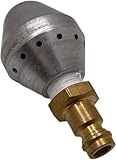
 GardusDryer Vent Duct Cleaning Kit - Gardus RLE202 LintEater Rotary…$30 \xc2\xb7 98/100
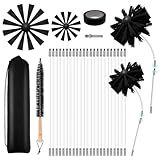
 HolikmeHolikme Dryer Vent Cleaner Kit - 35Ft Flexible Lint Brush…$21 \xc2\xb7 98/100
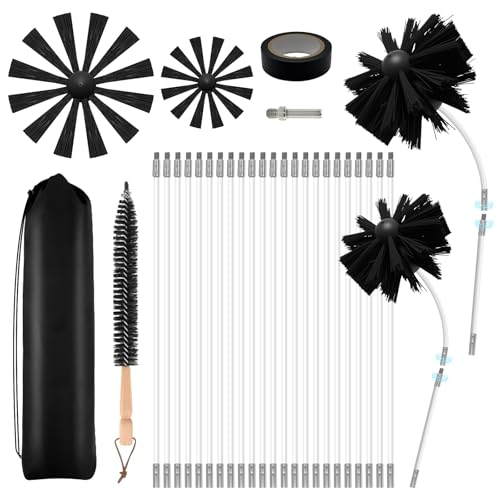 Fovapulme30 Feet Dryer Vent Cleaner Kit, Duct Cleaning Brush with…$25 \xc2\xb7 97/100
 HolikmeHolikme Dryer Vent Cleaner Kit - 30Ft Fireplace Chimney Brushes…$23 \xc2\xb7 96/100


Write Your Review
No reviews yet. Be the first to share your experience!