
An air duct cleaning before and after checklist provides homeowners with a structured way to evaluate HVAC maintenance efficiency. Following a clear protocol helps verify that dust, dander, and buildup are completely removed from ventilation trunks. Systematic verification guarantees clean air output and steady home comfort.
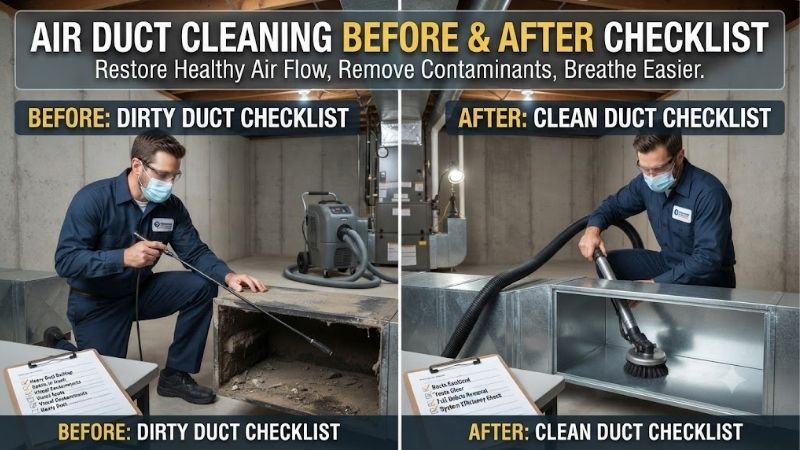
How to Choose Equipment for Your Air Duct Cleaning Before and After Checklist
Executing an air duct cleaning before and after checklist requires selecting proper diagnostic and maintenance tools for your home HVAC system. Investing in reliable inspection cameras, scrubbers, and measuring gear simplifies every step. Quality tools make confirming real results easy for DIY enthusiasts.
Visual Inspection Capabilities
A dependable borescope camera allows homeowners to document interior vent conditions before starting any physical scrubbing. High-definition lenses reveal hidden blockages, heavy dust buildup, or loose internal duct lining. Clear visual evidence establishes an accurate baseline for evaluating final results.
Selecting inspection cameras equipped with adjustable LED illumination ensures bright footage inside pitch-black ventilation shafts. Waterproof semi-rigid cables enable smooth navigation around tight 90-degree metal elbows without snagging. Crisp video output guarantees you catch every spot needing thorough attention.
Mechanical Scrubbing Power
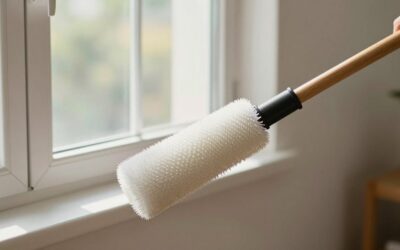
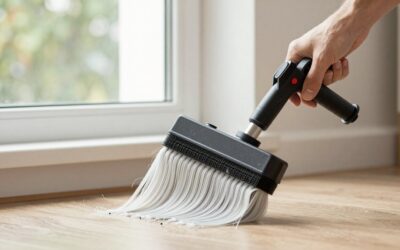
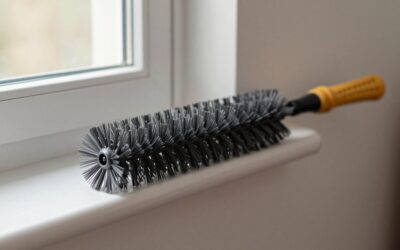
Effective vent cleaning relies heavily on a high-density rotary vent brush capable of dislodging caked-on debris. Flimsy manual bristles often bypass stubborn dirt sticking along galvanized sheet metal surfaces. Drill-powered rotational agitation breaks down tough buildup rapidly along long residential lines.
Durable flexible extension rods must withstand continuous motor torque without snapping deep inside return air ducts. Look for positive button-lock or threaded metal couplings that prevent detachment during heavy usage. Heavy-duty flexible shafts ensure reliable scouring performance across complex ventilation paths.
Debris Extraction and Suction
Capturing dislodged dust requires powerful utility vacuums capable of generating strong negative air pressure. Insufficient vacuum suction leaves loose particles hovering inside channels, causing immediate recontamination once your blower starts. High CFM airflow draws heavy dirt directly into sealed collection tanks.
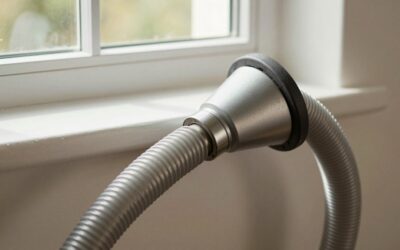
Rubberized hose adapters create tight connections around register openings to stop fine particulate leakage into rooms. High-efficiency vacuum bags trap microscopic particles before air exhausts back into your living space. Secure containment protects indoor air while removing debris from internal duct surfaces.
Airflow Measurement Tools
Quantifying performance changes requires a digital anemometer to measure airflow velocity across supply grilles. Taking baseline wind speed readings before maintenance establishes clear metrics for performance gains. Accurate numerical data confirms whether duct blockage has been removed successfully post-cleaning.
Handheld airflow meters featuring sensitive vane sensors detect subtle wind speed variations at individual vent outputs. Backlit LCD screens allow quick readings in dimly lit hallway corners or attic crawl spaces. Verifying improved CFM rates validates your cleaning efforts with concrete numerical proof.
Top Picks for Executing Your Air Duct Cleaning Before and After Checklist
Completing an air duct cleaning before and after checklist demands comparing specialized tools that boost indoor air quality. We reviewed top-rated equipment based on build quality, practical usability, and real-world performance. The summary table below highlights key specifications for top HVAC maintenance tools.
| Product Name | Category | Primary Function | Key Feature |
|---|---|---|---|
| DEPSTECH WF060 Endoscope | Visual Inspection | Pre/Post Video Proof | 1944P HD & WiFi Stream |
| Sealegend 33-Piece Kit | Mechanical Scrubbing | Rotary Vent Agitation | 33-Ft Flexible Shafts |
| BTMETER BT-100 Anemometer | Airflow Measurement | Vent Velocity Testing | Sensitive 8-Vane Sensor |
| Vacmaster Professional Vac | Debris Extraction | Negative Air Suction | 5-HP Motor & High CFM |
| AlorAir CleanShield HEPA 550 | Air Scrubbing | Continuous Filtration | 3-Stage HEPA & Carbon |
DEPSTECH WF060 Wireless Endoscope Camera
Homeowners needing visual verification will find this compact borescope camera invaluable for documenting duct conditions. Its 5.0-megapixel lens streams crisp high-definition video directly to your smartphone via a reliable WiFi connection. The 16.4-foot semi-rigid cable navigates metal vents smoothly to locate hidden debris.
However, the fixed focus camera lens requires manual depth adjustments to obtain perfectly sharp close-up images. The plastic receiver body also feels lightweight during heavy job site handling. Still, its bright adjustable LEDs make capturing clear before-and-after photo evidence straightforward for any home project.
Sealegend 33-Piece Vent Cleaning Kit
Designed for deep mechanical scouring, this versatile kit includes a rotary vent brush powered by standard cordless drills. The 33-foot flexible rod assembly lets you reach far into main trunk channels to dislodge stuck dust. Universal vacuum hose adapters help pull dislodged matter directly out of floor registers.
On the downside, connecting all thirty-three individual rod segments takes noticeable time before starting your task. The plastic vacuum adapter ring can also slip if your shop vac hose has an unusual outer diameter. Regardless, its extensive reach provides excellent value for thorough residential duct maintenance.
BTMETER BT-100 Handheld Digital Anemometer
Technicians and DIYers wanting precise performance data will appreciate this digital meter for measuring airflow velocity. Dual temperature sensors and an 8-vane wheel record exact wind speed output across individual registers. Comparing pre-cleaning numbers against post-cleaning data proves your maintenance success.
However, holding the device perfectly parallel to register grilles is necessary to obtain consistent velocity readings. The small AAA batteries also require periodic replacement if used continuously during lengthy inspections. Despite minor handling needs, it delivers reliable quantitative proof of improved system airflow.
Vacmaster Professional 5-Gallon Wet/Dry Vac
Projects requiring rapid debris extraction benefit greatly from this compact utility vacuum’s strong suction power. Its 5-peak horsepower motor generates impressive airflow to pull heavy dust accumulation out from deep channels. Sealed cartridge filters prevent captured fine particles from exhausting back into clean rooms.
The primary drawback is that the standard 7-foot vacuum hose feels short when reaching high ceiling air vents. Operational motor noise is also relatively loud during extended cleaning sessions inside enclosed rooms. Nevertheless, its high suction capability makes it essential for capturing loose ventilation grime.
AlorAir CleanShield HEPA 550 Air Scrubber
Contractors and serious homeowners tackling major restoration jobs rely on this commercial unit for hepa air filtration. It delivers up to 550 CFM of continuous airflow through a 3-stage filtration system to trap floating spores. Integrated GFCI outlets allow daisy-chaining multiple scrubbers together during large tasks.
On the negative side, weighing nearly forty pounds makes carrying this heavy rotomolded housing up stairs tiresome. The high-capacity replacement filters also add ongoing maintenance costs over extended usage periods. Regardless of weight, its heavy-duty air scrubbing ensures immaculate indoor air quality post-cleaning.
Frequently Asked Questions
Addressing common questions regarding an air duct cleaning before and after checklist helps homeowners achieve optimal results. Proper planning ensures visual inspections, mechanical scrubbing, and final airflow tests are conducted safely. The following answers address key concerns about post-cleaning validation steps.
Why is a visual check needed before duct cleaning?
Performing a preliminary visual inspection identifies specific problem areas, structural damage, or hidden moisture before starting work. Video checks reveal whether you face simple dust buildup or hazardous mold requiring specialized air vent sanitization. Knowing internal conditions prevents damaging delicate flex ducts.
Documenting initial conditions provides a clear comparison baseline for your final post-cleaning evaluation protocol. Video proof confirms whether mechanical brushing successfully dislodged caked grime along interior sheet metal walls. Early visual inspection saves substantial effort by targeting heavily soiled vent sections.
How do I measure airflow improvement post-cleaning?
Measuring wind speed velocity at supply registers before and after cleaning provides concrete numerical proof of performance gains. Using a digital anemometer allows homeowners to record exact feet-per-minute readings across every room. Higher airflow readings confirm that obstructive dust blockages have been removed.
Completing a furnace filter replacement right after cleaning ensures unrestricted air intake across your central system. Fresh media filters prevent residual airborne dust from re-clogging newly scrubbed supply branches immediately. Combining clean filters with verified register velocity guarantees optimal HVAC output.
Can I perform duct cleaning without specialized equipment?
Attempting DIY duct maintenance without high-suction vacuums or rotary brushes often leaves stubborn dust accumulation behind inside main trunks. Standard household vacuums lack negative pressure capabilities and release fine dust particles back into living rooms. Basic wiping only reaches register openings, leaving deep vents messy.
Using specialized flexible rods and high-CFM extraction gear guarantees thorough scouring along long duct lines. Proper inspection cameras allow you to confirm that internal surfaces are clean rather than guessing. Investing in proper equipment transforms casual surface dusting into effective home system maintenance.
When should I call a professional HVAC contractor?
Professional intervention is recommended when an initial visual hvac inspection reveals extensive mold growth, pest infestation, or severe water damage. Certified technicians utilize heavy truck-mounted vacuum systems that create massive negative pressure impossible to replicate with portable shop vacuums.
Additionally, if your air duct cleaning before and after checklist shows minimal airflow gain despite thorough scrubbing, professional diagnostic testing is required. Technicians can locate hidden duct disconnections, damaged internal insulation, or blower motor issues. Expert assistance guarantees long-term system efficiency.
Final Thoughts
Completing an air duct cleaning before and after checklist ensures your home ventilation system operates at peak thermal efficiency. Combining visual inspections, rotary scrubbing, and precise airflow testing guarantees complete dust removal. Systematic verification protects household health for years to come.
As an Amazon Associate we earn from qualifying purchases at no extra cost to you.





Write Your Review
No reviews yet. Be the first to share your experience!