
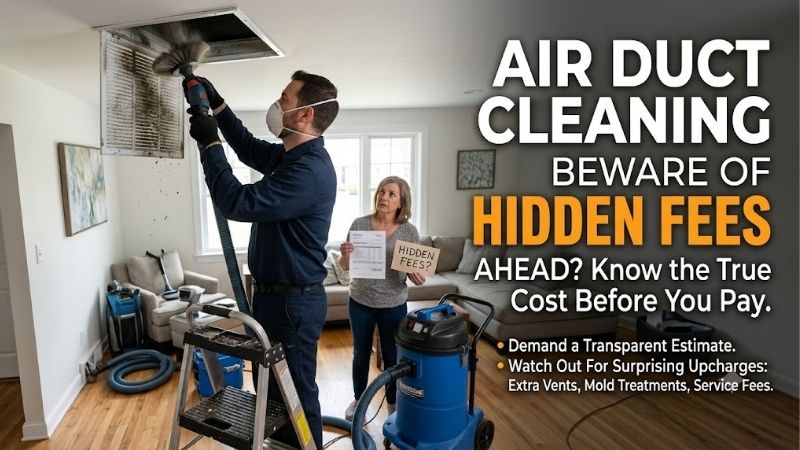
Air duct cleaning hidden fees can quickly transform a cheap $99 coupon into an unexpected $600 bill. Many homeowners fall victim to low bait-and-switch quotes that exclude fundamental steps or charge extra for basic equipment. Understanding common contractor upcharges empowers you to protect your household budget effectively.
How to Spot and Avoid Air Duct Cleaning Hidden Fees
Navigating HVAC servicing quotes requires knowing where illegitimate contractors conceal unexpected expenses. Unscrupulous providers routinely quote low baseline figures to secure appointments, only to add steep surcharges for standard tasks. Learning how to evaluate written quotes before work starts protects your wallet completely.
Watch Out for Square Footage Upcharges
Low advertized rates usually cover only a fraction of a typical residential system, forcing you to pay extra per vent. Contractors may claim your home exceeds their basic plan, applying steep square footage upcharges for every additional register. Always demand a total flat-rate duct cleaning estimate based on your full home size.
Before signing any agreement, verify whether the initial quote includes the entire supply and return system. Legitimate professionals inspect your house first and provide a comprehensive written contract without unexpected additions. Verifying vent counts beforehand ensures you remain entirely in control of your project costs.
Identify Unjustified Mold Remediation Scams
Technicians often use unverified claims of hazardous growth inside air vents to justify instant, expensive treatments. These mold remediation scams trick unsuspecting homeowners into purchasing pricey chemical sprays that are rarely required. Legitimate technicians must provide certified lab test results before recommending any chemical intervention.
Inspect your ductwork directly using digital cameras to verify whether actual organic growth exists inside. If mold is genuinely present, the Environmental Protection Agency recommends resolving underlying moisture leaks before treating surfaces. Never allow unverified chemical fogging without independent documentation from an expert.
Beware of Essential Access Panel Charges
Some service technicians cut opening holes into main trunk lines and later bill you extra to seal them properly. Charging separate access panel charges for basic access is a standard tactic used by dishonest low-ball operators. Cutting access points is part of normal duct cleaning and should never be billed as an extra.
Review the service contract carefully to ensure all cutouts, metal plates, and duct sealing are fully included. Professional technicians follow strict national HVAC standards, restoring all system panels without surprise line items. Clarifying access policies beforehand prevents inflated bills once the job is underway.
Recognize Unnecessary Component Add-Ons
Contractors frequently claim that blower motors, evaporator coils, or drain pans require separate, high-priced cleaning services. While these parts impact system airflow, deceptive companies use HVAC scam tactics to inflate profits on simple jobs. A legitimate full-system cleaning should clear all interconnected air handling parts.
Ask the technician to detail exactly which mechanical parts are covered under the quoted flat fee. If an additional service is recommended, request clear visual evidence showing excessive dirt or restriction. Demanding transparency upfront prevents technicians from tacking on unnecessary component cleaning fees.
| Trap / Fee Type | Typical Hidden Cost | Honest Alternative | How to Avoid |
|---|---|---|---|
| Bait-and-Switch Pricing | $50 – $150 extra per vent | Whole-house flat rate | Demand a written quote for all supply & return vents. |
| Fake Mold Scams | $200 – $800 chemical spray | Certified lab testing | Request official lab proof before approving treatments. |
| Access Hole Charges | $75 – $150 per panel | Standard access included | Ensure panel cutting and resealing are in the contract. |
| Component Add-Ons | $100 – $300 per coil/blower | Complete system package | Confirm blower wheel and coil inspection in main fee. |
Top Picks for DIY Air Duct Cleaning and Inspection
Investing in high-quality DIY tools allows homeowners to perform routine vent maintenance and inspect contractor work directly. Taking control of your HVAC maintenance prevents reliance on shady companies and eliminates air duct cleaning hidden fees entirely. These top-rated Amazon products offer reliable performance and long-term value.
DEPSTECH Dual Lens Borescope Inspection Camera DS300
This dual-lens endoscope allows homeowners to inspect hidden ductwork interiors without hiring pricey technicians. The sharp 1080P resolution and adjustable LED lights clearly illuminate dark vents, helping you spot dirt or verify contractor claims. It is ideal for anyone wanting to avoid air vent inspection costs before paying for service.
While the semi-rigid cable offers great reach, navigating sharp 90-degree duct bends requires patience. The built-in screen provides crisp live viewing, though saved video file frame rates are slightly lower than live streaming. Despite minor file rendering delays, it remains an essential diagnostic tool for smart homeowners.
Gardus LintEater Rotary Dryer Vent Cleaning System
Designed for deep cleaning laundry exhaust lines, this drill-powered rotary brush system removes stubborn lint buildup easily. The flexible extension rods navigate multiple tight bends while the rotating auger scours vent walls thoroughly. It is perfect for homeowners seeking an effective alternative to pricey flat-rate duct cleaning.
Connecting multiple rod segments requires careful tightening so they do not detach inside long pipe runs. The drill adapter performs best at low speeds to prevent binding against flexible duct walls. Overall, it delivers professional-grade cleaning performance that saves you substantial maintenance money every single year.
Holikme 30-Foot Dryer Vent & Duct Cleaner Kit
This budget-friendly kit includes 30 feet of flexible nylon rods, a high-density brush, and a universal vacuum hose adapter. It allows users to sweep out loose dust and lint while simultaneously capturing debris with a shop vacuum. It is an ideal pick for cost-conscious users looking to avoid high square footage upcharges.
The nylon rods are quite flexible, which means they can flop around in wider main metal trunks. Furthermore, the vacuum adapter may require extra tape to create a completely airtight seal on non-standard vacuum hoses. Nevertheless, its affordable price point makes it a outstanding value for basic vent maintenance.
Shop-Vac Micro Cleaning Kit Attachment 80189
This micro attachment set converts standard wet/dry vacuums into precision instruments for delicate vent grilles and tight spaces. The miniature crevice tools and small round brushes reach deep into narrow register slots to pull out dust. It provides an efficient solution for homeowners tracking ductwork sealing fees and air balance.
Because the narrow nozzles restrict airflow significantly, running your vacuum for extended periods may cause motor overheating. Users should operate their vacuum in short intervals to protect the motor from excess thermal stress. Despite this limitation, it remains unmatched for detailed vent register and grille cleaning.
LEVOIT Air Purifier Core 300
Featuring a genuine HEPA filter, this compact air purifier captures airborne dust particles released during vent cleaning tasks. Its powerful three-stage filtration system filters floating allergens, dust, and pet dander across medium-sized living spaces efficiently. It is perfect for maintaining clean indoor air following ductwork maintenance.
The replacement filters add an ongoing maintenance expense that users must factor into their annual home budget. Additionally, running the unit on its highest fan speed creates noticeable white noise in quiet bedrooms. However, its superior air-cleaning performance makes it a vital post-cleaning household companion.
Frequently Asked Questions
Understanding how air duct cleaning operates helps you make informed choices and avoid predatory pricing tricks. Below are clear answers to common questions about HVAC servicing costs and service standards. These insights help you evaluate professional quotes confidently and prevent unfair air duct cleaning hidden fees on your next bill.
How Much Should Air Duct Cleaning Realistically Cost?
A standard whole-house duct cleaning for an average home typically costs between $300 and $500 total. Reputable companies charge based on the number of furnaces or system size rather than per-vent promos. Using a realistic duct cleaning cost estimator helps you identify suspiciously low offers designed to hook you into upcharges.
Be wary of any company advertizing full-house cleaning services for under $100 across local ads. Extremely cheap promos almost always exclude return trunks, main plenum chambers, or necessary vacuum setup fees. Choosing transparent flat-rate pricing ensures you receive comprehensive cleaning without surprising end-of-day add-ons.
What Are Blow-and-Go Duct Cleaning Scams?
Blow-and-go cleaners are fraudulent operators who use low-powered vacuums to quickly sweep visible vent openings without cleaning main lines. They spend less than an hour at your home, blowing surface dust around while ignoring deep system debris. These unethical contractors often use high-pressure tactics to upsell unneeded treatments once inside.
Proper duct cleaning requires heavy-duty negative pressure equipment connected directly to your main HVAC trunk lines. Technicians must seal individual registers to create a powerful vacuum pull throughout the entire duct network. Recognizing these substandard practices keeps you from wasting money on incomplete, superficial cleaning jobs.
Do Industry Standards Require Special Access Panels?
National standards established by the National Air Duct Cleaners Association allow technicians to create service openings when necessary. However, compliant contractors include cutting, installing insulated metal access doors, and airtight resealing in their initial quote. Unscrupulous companies exploit this step by demanding sudden access panel charges right mid-job.
Always ask prospective contractors how they plan to access main supply and return trunks before work begins. Ensure the written contract explicitly covers the installation and sealing of all required service access panels. Clear contractual terms prevent technicians from holding your HVAC system hostage over unexpected structural fees.
How Can I Verify My Ducts Are Actually Clean?
You can verify cleanliness by requesting a visual mirror inspection or using a digital borescope camera yourself. Legitimate technicians willingly provide before-and-after photos of your main trunk lines and branch ducts upon request. Adhering to official EPA duct cleaning guidelines ensures your system receives thorough, safe servicing without shortcuts.
If a contractor refuses to show visual proof of their work, decline payment until inspection is complete. Inspecting key areas like the return air plenum and main supply trunk reveals whether debris was truly removed. Taking a few minutes to inspect the results guarantees you get the quality service you paid for.
Final Thoughts
Protecting your household budget requires staying vigilant against predatory contractors and air duct cleaning hidden fees. By inspecting your system independently, choosing whole-house flat rates, and verifying contract details upfront, you can maintain clean indoor air without overpaying. Investing in basic DIY tools further ensures your home HVAC system remains efficient, safe, and clean year-round.
As an Amazon Associate we earn from qualifying purchases at no extra cost to you.


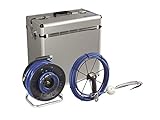


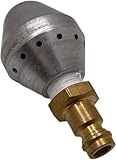

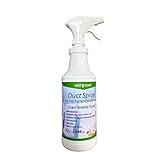
Top picks from this guide
 HolikmeHolikme Dryer Vent Cleaner Kit - 30Ft Fireplace Chimney Brushes…$23 \xc2\xb7 96/100
 NORTHWEST ENTERPRISESNORTHWEST ENTERPRISES Air Duct Cleaner Spray & Deodorizer, Linen Breeze$25 \xc2\xb7 96/100
 EnovorldDryer Vent Cleaner Kit 32FT, Improve Dryer Efficiency & Reduce…$35 \xc2\xb7 96/100
 HeliumXAir Dryer Vent Cleaner Kit, High-Pressure Blasting Dryer Duct Cleaning…$17 \xc2\xb7 94/100


Write Your Review
No reviews yet. Be the first to share your experience!