
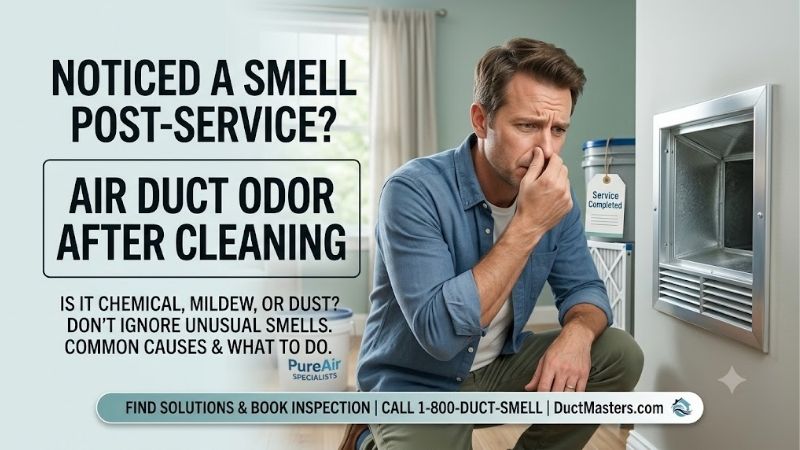
Air duct odor after cleaning can catch any homeowner off guard after expecting fresh ventilation. Chemical sanitizers, loosened mold spores, or trapped moisture inside damp vents often trigger these unpleasant smells. Choosing effective remediation tools helps neutralize lingering fumes quickly and restores healthy indoor air.
How to Choose the Right Air Duct Odor After Cleaning Solutions
Understanding what causes an air duct odor after cleaning is necessary before buying corrective products. A damp smell in vents requires moisture control, whereas harsh chemical odors need active carbon filtration. Selecting the proper treatment depends on targeting the exact root cause of your lingering ventilation stench.
Sanitizer Chemical Residue vs Biological Growth
Identifying whether your vent smell originates from leftover chemical spray or living bacteria is essential. A sharp chemical smell from furnace cycles usually stems from strong biocides that need time to off-gas. Biological odors indicate lingering mold spores that require antimicrobials rather than basic deodorizers.
When chemical residues persist, continuous ventilation combined with carbon filters speeds up dissipation effectively. For active organic growth, using targeted microbial treatments ensures spores are destroyed rather than masked. Matching the solution to the specific contaminant saves money and prevents unnecessary chemical exposure.
Filtration Capacity and Airflow Efficiency
High-efficiency MERV filters capture fine particles but can restrict airflow if chosen incorrectly for your furnace. Addressing a musty odor HVAC issue requires balancing dense carbon media with adequate system pressure. Oversized or overly restrictive filters force blowers to work harder, increasing energy consumption drastically.
Selecting pleated filters with embedded activated charcoal provides dual-action filtration without straining your system blower. Check your furnace manufacturer specifications to ensure compatible MERV ratings before installing heavy odor-absorbing filters. Proper sizing maintains fresh air circulation while trapping persistent odors.
Application Method and Reach Requirements
Reaching deep inside main supply trunks requires specialized tools like foggers or long-reach aerosol sprays. Applying a biocide sanitizing spray manually at register boots only treats surface areas near vent openings. Whole-system treatments demand fogging devices or duct-fed aerosols that travel through every branch line.
Evaluate whether you need a localized point-of-use gel or a system-wide aerosol treatment for complete odor control. Portable air purifiers offer continuous room-level filtration, while internal coil sprays clean the central furnace unit directly. Combining targeted methods guarantees complete coverage across all home air ducts.
Top Picks for Eliminating Air Duct Odor After Cleaning
Addressing an air duct odor after cleaning demands reliable equipment tested for effective ventilation remediation. We reviewed top-rated Amazon products designed to eliminate harsh chemical fumes, fungal smells, and trapped moisture. These recommendations provide proven solutions for restoring clean, odorless airflow throughout your home.
Accumulair Carbon MERV 10 Furnace Filter
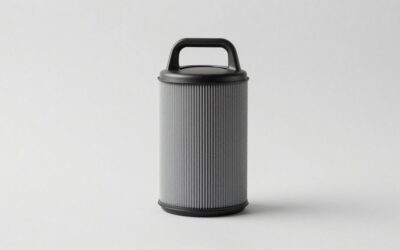
Ideal for homeowners seeking an activated carbon filter to absorb stubborn chemical smells following duct washing. The dense carbon-infused pleats trap airborne volatile organic compounds while catching fine particulate debris. Standard dimensions fit easily into residential furnace slots, delivering immediate whole-house odor reduction.
However, the added carbon density slightly restricts total airflow compared to standard low-MERV fiberglass filters. Despite this mild restriction, its exceptional odor absorption makes it an outstanding choice for post-cleaning recovery. It neutralizes persistent chemical fumes while keeping your HVAC internal blower motor clean.
Nu-Calgon 4126-38 Bio-Fresh CD Spray
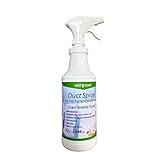
Great for targeting persistent organic smells caused by evaporator coil mold or fungal growth inside dark duct trunks. This EPA-registered bacteriostat uses chlorine dioxide technology to eliminate odor-causing microbes on contact. The ready-to-use liquid can be sprayed directly into intake registers or fogged into ductwork.
While highly effective against organic odors, the initial application produces a mild chlorine scent that takes hours to fade. Nevertheless, its powerful antimicrobial action makes it indispensable for treating deep-seated microbial contamination. It delivers lasting freshness by destroying smell sources rather than masking them.
LEVOIT Core 300 Air Purifier
Best suited for homeowners needing an air purifier for odor removal in living rooms or bedrooms post-servicing. Equipped with a custom high-efficiency carbon filter, it continuously scrubs airborne chemical fumes and dust. Its quiet operation and compact footprint allow placement in any room experiencing heavy vent smells.
On the downside, it only purifies individual rooms rather than addressing the entire central HVAC duct network directly. Regardless of this coverage limitation, its rapid air turnover provides instant relief in high-traffic living areas. It keeps indoor air crisp while lingering duct treatment odors gradually dissipate.
Nu-Calgon Evap Foam No Rinse Coil Cleaner
Perfect for treating damp smells originating near furnace coils where a duct deodorizer fogger cannot easily reach. This self-rinsing aerosol foam expands deep into evaporator fins to break up caked grime and stagnant mildew. The heavy-duty formula neutralizes sour odors instantly as the condensation washes the foam away.
Application requires opening the main furnace coil access panel, which may feel intimidating for novice DIY homeowners. However, its targeted cleaning performance solves persistent dampness issues that standard vent sprays miss entirely. It restores optimal thermal efficiency while eliminating embarrassing furnace boot odors.
Smells Begone Odor Absorber Gel
Designed for homeowners wanting a passive, continuous remedy for persistent vent stink in specific target rooms. These solid gel tubs absorb airborne molecules without requiring electricity or complex spray applications. Simply placing a container near affected supply registers helps pull sour smells out of local room air.
While convenient, gel tubs have limited reach and will not eliminate heavy biological growth hidden inside main trunks. Nevertheless, they offer a hassle-free, budget-friendly layer of localized defense against fading chemical smells. They keep bedrooms and offices smelling fresh while your HVAC system completes its cycle.
| Solution & Product Name | Primary Function | Best For | Key Feature |
|---|---|---|---|
| Accumulair Carbon Filter | Absorbing VOCs & chemical fumes | Whole-house HVAC odor control | Carbon-infused MERV 10 pleats |
| Nu-Calgon Bio-Fresh CD | Destroying mold & bacteria | Deep antimicrobial duct treatment | EPA-registered chlorine dioxide |
| LEVOIT Core 300 Purifier | Scrubbing ambient airborne smells | Targeted living space air care | True HEPA & active carbon filter |
| Nu-Calgon Evap Foam | Cleaning damp evaporator coils | Furnace coil mildew elimination | Self-rinsing expanding foam spray |
| Smells Begone Odor Gel | Passive local odor absorption | Room-level register freshness | Non-toxic continuous gel formula |
Frequently Asked Questions
Clearing up confusion regarding air duct odor after cleaning helps homeowners take prompt, correct action. Below are expert answers to frequent questions concerning chemical fumes, mold issues, and proper recovery timelines. These responses guide you toward safe, effective solutions for fresh indoor air quality.
Why does my house smell worse after duct cleaning?
An intense air duct odor after cleaning often occurs when agitating brushes dislodge trapped debris, releasing airborne mildew spores. If service technicians used chemical sanitizers, volatile compounds off-gas into living areas temporarily. Moist conditions inside dirty drain pans can also amplify damp smells during initial system restart.
Running furnace fans continuously with open windows helps flush out lingering fumes within twenty-four to forty-eight hours. Installing activated carbon filters captures floating particles before they recirculate through bedrooms. Persistent smells lasting over three days warrant a re-inspection to check for hidden moisture.
Is the chemical smell from duct cleaning toxic?
Most commercial disinfectants used by professional cleaners are EPA-approved, but chemical smells can irritate sensitive airways. Exposure to strong sanitizing sprays may cause temporary throat dryness, mild headaches, or eye irritation in vulnerable individuals. Proper ventilation accelerates off-gassing and reduces chemical exposure.
If you notice persistent chemical fumes alongside airborne mildew spores, run dedicated air purifiers with carbon filtration media. Keeping supply registers clear and operating exhaust fans speeds up the removal of lingering sanitizer vapors. Consult product safety sheets if mild respiratory irritation continues past two days.
How long does duct sanitizer smell last?
Standard HVAC sanitizing sprays typically dissipate within six to twenty-four hours when adequate ventilation is maintained. However, high humidity or restricted airflow can trap odors inside duct walls for several days. Utilizing carbon air filters speeds up chemical neutralization across all connected living spaces.
To speed up recovery, set your thermostat fan to ON and run portable air purifiers that trap airborne pollutants effectively. Opening interior doors allows air to circulate freely rather than trapping concentrated fumes in small bedrooms. Continuous airflow ensures fresh outdoor air replaces stale indoor vapors quickly.
Can mold return right after duct cleaning?
Mold can re-establish quickly if underlying moisture problems, such as leaky AC coils or high indoor humidity, remain unaddressed. Cleaning removes standing dust, but active moisture allows spores to germinate on damp duct walls. Controlling humidity below fifty percent is vital for long-term fungal suppression.
Using specialized antimicrobial treatments kills residual spores, while high-efficiency filters trap airborne pollutants before settling. Inspect condensate drain lines regularly to prevent standing water from fueling fresh microbial growth. Sustaining dry duct interiors guarantees your ventilation stays clean and odor-free.
Final Thoughts
Resolving an air duct odor after cleaning requires identifying whether chemical fumes or biological dampness is the root cause. Combining carbon filtration, antimicrobial sprays, and proper continuous indoor air quality care resolves lingering vent smells efficiently. Taking proactive remediation steps ensures clean, healthy air throughout your home.
As an Amazon Associate we earn from qualifying purchases at no extra cost to you.


#5 Pick


Write Your Review
No reviews yet. Be the first to share your experience!