
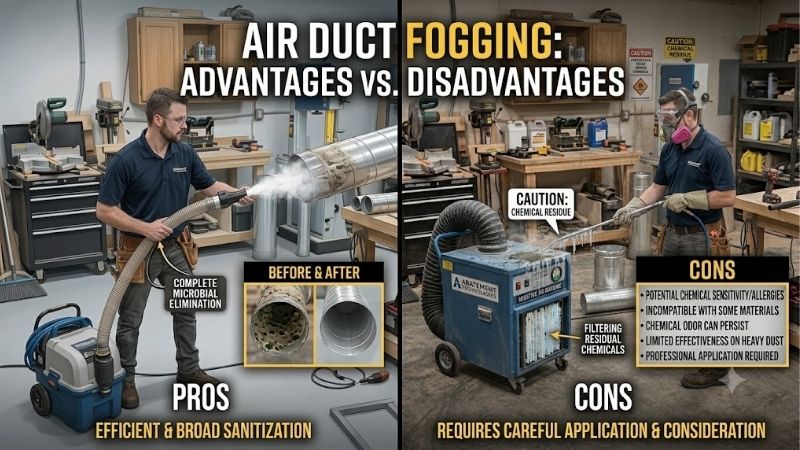
Air duct fogging pros and cons must be analyzed carefully before spraying chemical sanitizers into your central HVAC system. While misting antimicrobial agents can destroy stubborn mold spores and lingering odors inside hidden vents, improper biocide application poses respiratory risks for occupants. Understanding safety standards prevents costly damage.
How to Choose the Right Air Duct Fogging Solutions
Evaluating air duct fogging pros and cons requires checking active ingredients, application methods, and equipment safety standards. Homeowners need to determine if chemical sanitization is necessary for ductwork contamination control or if simple mechanical vacuuming is sufficient. Informed choices protect indoor air and heating systems.
Chemical Active Ingredients
Selecting the correct sanitizing formula is essential when applying chemicals inside home ventilation systems. Homeowners should always verify that any product used is an EPA-registered disinfectant specifically approved for HVAC ductwork. Using unapproved harsh chemicals can corrode aluminum coils or leave toxic fumes in rooms.
Botanical formulas based on thymol or quaternary ammonium compounds offer lower chemical toxicity while providing effective microbial reduction. Always review product safety data sheets to ensure the mist leaves no hazardous chemical residues on internal duct surfaces. Choosing gentle solutions maintains household health.
Fogging Equipment Types
The delivery method determines how evenly sanitizing mist distributes through long runs of metal or flexible ducting. Ultra-low volume cold fogger machines create fine droplets that coat internal surfaces without saturating insulation. Proper atomization ensures chemical biocide application reaches hidden corners effectively.
Aerosol fogging canisters work well for smaller localized trunk lines, whereas electric power foggers handle whole-house supply registers. Selecting gear matched to your duct volume prevents incomplete coverage or wet chemical pooling inside air channels. Reliable machinery ensures consistent sanitizing results.
Safety and Respiratory Precautions
Personal safety must remain the primary priority when considering air duct fogging pros and cons for residential buildings. Protective equipment, including N95 masks, safety goggles, and nitrile gloves, prevents accidental exposure to airborne droplets during misting. Proper ventilation accelerates drying times post-treatment.
HVAC fans should remain off during the initial fogging procedure to allow complete chemical contact with internal surfaces. Turning on system blowers too early can disperse wet droplets across drywall, ceiling registers, and living areas. Following strict safety protocols keeps home environments completely protected.
System Material Compatibility
Different ductwork materials react distinctively to chemical exposure, requiring careful product selection prior to fogging. Fiberglass duct board and flexible duct lining easily absorb excessive liquid, increasing risk of structural damage. Choosing a compatible HVAC sanitization chemical prevents material degradation.
Galvanized sheet metal ducts tolerate fine sanitizing mists exceptionally well, provided the chemical formula is non-corrosive. Verifying material compatibility protects your furnace components from rust while maximizing mold control efficiency. Safe chemical selection ensures long system operational lifespans.
Top Picks for Home Air Duct Fogging
Navigating air duct fogging pros and cons becomes simpler when choosing verified sanitization tools and filtration devices. We selected real Amazon products that deliver reliable aerosol delivery, surface disinfection, and indoor air quality improvement. These recommendations help you maintain clean heating and cooling systems.
AlphaWorks ULV Fogger Machine Sprayer
When analyzing air duct fogging pros and cons, this high-output cold ULV fogger machine offers commercial-grade mist distribution. It produces ultra-fine micro-droplets that penetrate deep into air channels without heavy liquid runoff. Strong motor power allows quick application across multiple residential supply vents.
While the motor generates noticeable operating noise and requires a standard heavy-duty extension cord, its misting performance remains top tier. It provides exceptional coverage for home ventilation projects, making it a valuable long-term tool for serious DIY maintenance and complete duct sanitizing.
Nu-Calgon Bio-Fresh CD Deodorizer
Designed for central heating and cooling systems, this EPA-registered HVAC sanitization chemical neutralizes persistent odor-causing bacteria directly at the source. It works exceptionally well inside air handlers, evaporator coils, and return registers. The non-staining formula leaves air fresh without heavy chemical perfumes.
The concentrated fluid requires precise mixing or proper fogging equipment, and users must follow dilution safety instructions carefully. Overall, it delivers highly effective microbial control that eliminates musty smells and keeps home ventilation systems running cleanly throughout the year.
Duct Aid HVAC Air Deodorizer Fogger
This convenient duct sanitizer fogger canister is perfect for DIY homeowners wanting quick localized odor treatment inside return registers and vehicle vents. Featuring a plant-based thymol formula, it releases continuous aerosol mist that neutralizes trapped odors without requiring expensive power spraying equipment.
Single-use aerosol cans cover limited overall volume, so larger residential ductwork systems may require purchasing multiple canisters for full treatment. Nevertheless, it offers an accessible, affordable entry point for homeowners seeking fast freshness without complex setup or heavy machinery.
Medify MA-25 HEPA Air Purifier
Ideal for post-fogging air scrubbing, this dual HEPA filter unit traps residual airborne particles released after using mold remediation mist inside ductwork. Its high CADR rating rapidly circulates living room or bedroom air, capturing microscopic dust and chemical vapors. Quiet operation allows continuous daytime filtration.
Filter replacements represent an ongoing maintenance expense, but the dual intake system provides superior particle removal efficiency. It serves as an indispensable support tool that cleans ambient room air and maintains healthy indoor environments after completing duct sanitization treatments.
Temtop M10 Air Quality Monitor
This compact digital sensor helps homeowners measure exact particulate and organic chemical levels before and after performing air duct odor removal procedures. Real-time PM2.5 and TVOC displays give instant visual confirmation of indoor air safety, eliminating guesswork regarding lingering airborne mist or chemical fumes.
Battery endurance lasts a few days on portable settings, so keeping it plugged in via USB is recommended for long-term continuous tracking. It provides crucial diagnostic data that ensures your home air remains safe and completely clean following any chemical duct treatment session.
| Product Name | Product Category | Primary Benefit | Best Suited For |
|---|---|---|---|
| AlphaWorks ULV Fogger | Cold Fogger Machine | Ultra-fine droplet dispersion | Whole-house duct sanitization |
| Nu-Calgon Bio-Fresh CD | Sanitizing Chemical | EPA-registered bacterial control | Evaporator coils & main trunks |
| Duct Aid HVAC Fogger | Aerosol Canister | Plant-based thymol deodorizer | Quick localized vent treatment |
| Medify MA-25 Air Purifier | HEPA Filter System | Captures airborne particles & mists | Post-treatment air clearing |
| Temtop M10 Monitor | Air Quality Sensor | Real-time TVOC & PM2.5 tracking | Verifying air safety metrics |
Frequently Asked Questions
Understanding air duct fogging pros and cons helps homeowners make safe choices regarding chemical treatments inside residential HVAC systems. Addressing common questions regarding safety, frequency, and alternative solutions clarifies when fogging is actually necessary. Here are expert answers to frequent homeowner inquiries.
Is air duct fogging safe for residential homes?
Analyzing air duct fogging pros and cons shows fogging is safe when performed with approved chemicals and proper application protocols by professionals. Utilizing an antimicrobial duct treatment that is EPA-registered ensures chemical vapors disperse without leaving hazardous toxic residues inside living spaces.
Occupants and pets must vacate the premises during fogging procedures and remain outside until drying is fully complete. Allowing proper ventilation time ensures chemical odors dissipate safely before turning HVAC blowers back on. Following product label directions guarantees complete home occupant safety.
When should you fog your air ducts?
Fogging should only occur after addressing active mold growth, severe pest contamination, or persistent foul odor problems inside ventilation ducts. Applying an EPA-registered disinfectant should follow thorough mechanical vacuuming, rather than replacing physical cleaning. Fogging alone cannot remove heavy dirt buildup.
Routine annual fogging is unnecessary for well-maintained home heating and cooling systems with clean air filters. Reserving chemical treatments for verified microbial issues prevents unnecessary chemical exposure while protecting internal system components. Targeted application yields the best indoor environmental results.
Can fogging damage fiberglass duct lining?
Excessive moisture accumulation during chemical biocide application can saturate fiberglass duct board insulation inside system channels. Wet insulation loses thermal efficiency and creates damp conditions that encourage rapid future mold growth. Controlling droplet size through proper fogging equipment prevents pooling.
Professional technicians use ultra-fine cold foggers to mist light chemical layers that dry quickly on porous surfaces. Ensuring proper airflow and chemical selection protects fiberglass materials from structural degradation. Careful application keeps internal insulation performing efficiently for years.
What are the best alternatives to duct fogging?
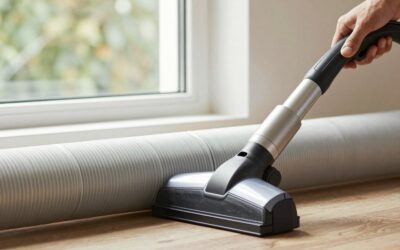
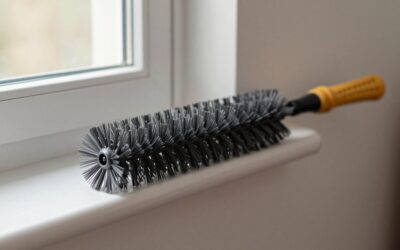
Effective alternatives focus on physical dirt extraction, moisture control, and high-efficiency particulate air filtration systems. Mechanical brush vacuuming provides reliable air duct odor removal by physically stripping debris from vent walls. Combining vacuuming with high-MERV air filters prevents recurring buildup.
Installing ultraviolet light purifiers inside HVAC air handlers continuously kills bacteria on evaporator coils without chemical sprays. Dehumidifiers also control duct moisture levels, preventing mold growth naturally. These preventative methods maintain healthy indoor air without spraying chemical solutions.
Final Thoughts
Weighing air duct fogging pros and cons carefully ensures you choose safe sanitization methods for your home HVAC system. While chemical misting offers targeted mold reduction, combining proper mechanical cleaning with high-efficiency filters achieves long-term indoor air quality improvement without unnecessary chemical risks.
As an Amazon Associate we earn from qualifying purchases at no extra cost to you.



Write Your Review
No reviews yet. Be the first to share your experience!