
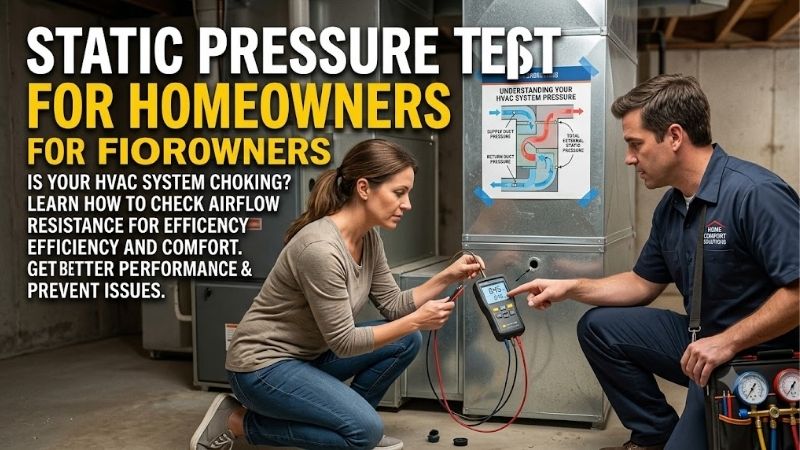
Static pressure test for homeowners is the most effective DIY method to diagnose hidden airflow restrictions in residential heating and cooling equipment. Performing this routine check helps you evaluate total external static pressure, ensuring your system operates smoothly without overworking the blower motor or draining excess power.
How to Choose the Right Static Pressure Test Equipment
Evaluating a static pressure test for homeowners requires finding accurate tools that match your technical skill and HVAC layout. Understanding key specs helps you measure HVAC airflow resistance properly before buying tools.
Accuracy and Measurement Range
When planning a static pressure test for homeowners, selecting a tool with fine resolution down to 0.01 inches of water column is essential. A reliable digital manometer reading provides precise numbers needed to detect tiny pressure variances across dirty air filters or clogged central coils.
Ensure the device covers typical residential ranges between zero and two inches WC. Higher industrial ranges are unnecessary for residential ducts and often reduce low-end sensitivity. Investing in high precision prevents false diagnostic readings during seasonal maintenance checks.
Dual Port vs Single Port Design
Dual port models let you measure supply and return sides simultaneously during a static pressure test for homeowners. This dual-input capability reveals total pressure differential instantly, helping you spot severe ductwork restriction without performing manual calculation steps.
Single port gauges require taking separate readings and subtracting them manually, which increases potential measurement errors. Dual port meters streamline your research workflow and deliver immediate insights into how freely conditioned air moves through your home system.
Included Accessories and Static Probes
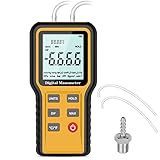
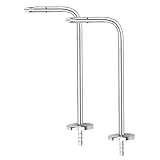
Complete test kits should include specialized static pressure probes and flexible silicone tubing. Having standard 1/8 inch slant-cut metal probes allows you to insert sensors cleanly into duct walls without creating major air leaks or damaging internal fiberglass insulation layers.
Check if the kit contains magnetic backing strips or hands-free clips for easy mounting on metal cabinets. Hands-free mounting keeps your hands available to record data or adjust dampers, making solo testing considerably easier and safer around electrical furnace components.
Display Clarity and Power Management
Clear backlit screens are crucial because air handlers are often located in dark attics, cramped basements, or dim crawlspaces. A bright display ensures accurate monitoring of air handler static pressure without struggling to read small numbers under awkward ambient lighting conditions.
Look for units with automatic shutoff features to preserve standard nine-volt battery life during long storage periods. Auto-off prevents frustrating battery drain between annual HVAC checkups, while low battery indicators prevent unexpected power loss during active diagnostic procedures.
| Tool Category | Recommended Resolution | Port Configuration | Key Accessories Included | Ideal Home Application |
|---|---|---|---|---|
| Professional Grade | 0.01 in. WC | Dual Input Ports | Static Probes, Tubing, Case | Full System Diagnostics |
| Compact Digital | 0.01 in. WC | Dual Input Ports | Rubber Hose, Belt Pouch | Quick Spot Checks |
| Advanced Combo | 0.001 in. WC | Dual Input + Switch Pump | Probes, Lead Clips, Adapters | Furnace & Safety Switch Testing |
| Budget Friendly | 0.01 in. WC | Dual Input Ports | Basic Hoses, Soft Case | Basic Airflow Checks |
Top Tools for Static Pressure Testing
Selecting top diagnostic equipment ensures every static pressure test for homeowners yields trustworthy data. The following tools offer excellent accuracy for HVAC diagnostic testing, making them ideal choices for both enthusiastic homeowners and experienced technicians alike.
Fieldpiece SDMN5 Dual Port Manometer
The Fieldpiece SDMN5 is ideal for homeowners who want professional diagnostic power in a rugged package. It features a differential pressure gauge system with dual ports and magnetic backing for easy mounting, delivering fast static pressure measurements with exceptional stability.
The primary downside is its higher price point compared to basic entry level meters, which may deter casual DIY users. However, its overall build quality and precise resolution make it a supreme investment for homeowners committed to maintaining long-term residential HVAC efficiency.
UEi Test Instruments EM201B Manometer
Designed for homeowners seeking precise differential readings, the UEi EM201B offers high resolution down to 0.001 inWG. This meter excels at measuring furnace air resistance across air filters and cooling coils, featuring a protective rubber boot and intuitive zero-adjust controls.
Its screen backlight turns off somewhat quickly to conserve power, requiring frequent button presses in dark basements. Despite this small inconvenience, its outstanding low-pressure sensitivity makes it a reliable diagnostic partner for residential airflow troubleshooting tasks.
Testo 510 Digital Manometer Kit
The Testo 510 is perfect for homeowners who prioritize compact design and Swiss precision engineering. This ultra-portable tool accurately calculates static pressure drop across blowers and includes temperature compensation, strong rear magnets, and a durable protective travel pouch.
The included pressure tubing can feel somewhat stiff right out of the box, making tight port connections slightly tricky at first. Overall, its extreme portability, high accuracy, and reliable build make it a top tier choice for quick and painless residential ductwork evaluations.
Fieldpiece SDMN6 Pressure Switch Tester
This advanced meter is built for dedicated homeowners who need to test both duct pressure and safety pressure switches. It features an internal draft pump that simulates vacuum conditions alongside dual static pressure ports, providing complete diagnostic feedback on furnace operations.
Its feature-rich design results in a steeper learning curve and a larger physical footprint than basic digital gauges. For homeowners wanting comprehensive furnace safety testing alongside routine pressure checks, its versatility and advanced features easily outweigh the added complexity.
RisePro HT-1890 Digital Manometer
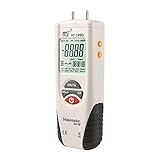
The RisePro HT-1890 caters to budget-conscious homeowners who want a functional dual-port tester without heavy spending. It offers eleven selectable units of measure, clear hold functions, and dual input connectors that easily handle routine static pressure tests across residential ductwork.
Plastic housing construction feels less rugged than premium field tools, requiring gentle handling during our research procedures. Nonetheless, for occasional homeowner use, it delivers dependable measurement accuracy and exceptional budget value for basic residential system troubleshooting.
Frequently Asked Questions
Addressing common queries regarding a static pressure test for homeowners ensures you perform measurements safely and interpret results accurately. Below are clear expert answers to frequent questions about residential airflow diagnostics, duct resistance, and routine system maintenance.
What is a normal static pressure reading for a home HVAC system?
For most residential systems, ideal total external static pressure should range between 0.3 and 0.5 inches of water column. Readings above 0.8 inches WC indicate severe restriction that can reduce airflow, cause evaporator coil freezing, and prematurely wear down your expensive blower motor.
Comparing your measured numbers against the system data plate rating helps confirm whether ductwork is undersized for your equipment. Maintaining target pressure ranges protects furnace heat exchangers from overheating, extends equipment lifespan, and lowers your monthly energy utility costs.
How often should homeowners perform a static pressure test?
Homeowners should conduct this test annually, preferably before heavy heating or cooling seasons begin. Testing once every year helps detect gradual HVAC airflow resistance issues caused by dirty coils, decaying internal duct liners, or overly restrictive high-efficiency replacement air filters.
Additional testing is strongly recommended whenever you install a new filter type, add extra supply vents, or notice uneven temperatures between rooms. Regular checks provide genuine peace of mind, ensure balanced air distribution, and prevent sudden mid-season heating or cooling equipment breakdowns.
Can high static pressure damage my heating and air system?
Yes, excessive static pressure forces the blower motor to work against heavy resistance, generating excessive heat and electrical strain. Over time, this continuous stress leads to motor failure, cracked furnace heat exchangers, and frozen air conditioner evaporator coils during peak summer operation.
Fixing pressure issues early by cleaning dirty coils or expanding return air grills saves thousands of dollars in major repair expenses down the road. Keeping system pressure within safe limits ensures reliable indoor comfort, quiet blower operation, and maximum seasonal energy utility bill savings.
Where should test holes be drilled in ductwork?
Test holes should be placed immediately before and after the air handler or furnace cabinet for accurate total system measurements. One probe hole goes in the return plenum right before the air filter, while the second hole goes in the supply plenum directly after the cooling evaporator coil.
Always seal test holes with dedicated high-temperature plastic test plugs or aluminum foil tape after completing your test to prevent air leaks. Proper hole sealing preserves duct efficiency, maintains correct air balance, and keeps a clean, professional appearance around your home HVAC equipment.
Final Thoughts
Executing a static pressure test for homeowners is a low-cost, high-reward DIY practice that safeguards your entire HVAC system performance. By choosing an accurate manometer and monitoring pressure regularly, you can resolve airflow restrictions quickly. Prioritize HVAC diagnostic testing today to maintain home comfort.
As an Amazon Associate we earn from qualifying purchases at no extra cost to you.








Write Your Review
No reviews yet. Be the first to share your experience!