
Quick answer: Our top pick in 2026 is the Hire a reputable professional — our #1 rated choice. See the full ranked comparison, alternatives and buying advice below.
The Short Answer
It depends: professional duct cleaning equipment is worth it only if you clean enough systems to recover the purchase price and can use it safely. For most homeowners, buying commercial-grade equipment is not a good value for a one-time cleaning. A proper machine can cost hundreds or several thousand dollars, while hiring a reputable HVAC or duct-cleaning company often costs roughly $300 to $800 for a standard home, depending on system size, accessibility, location, and contamination.
For a contractor, property manager, restoration company, or highly experienced do-it-yourselfer, the calculation is different. Equipment may pay for itself after several jobs. The important distinction is that a machine does not automatically produce a better cleaning. Results depend on air-pressure control, agitation, containment, access, filtration, and knowing which parts of the HVAC system should not be disturbed.
As an Amazon Associate we earn from qualifying purchases at no extra cost to you.

What You Actually Get
Professional duct-cleaning equipment usually combines powerful suction with a method for loosening debris inside supply and return ducts. Common systems use rotary brushes, air whips, compressed air, negative-air machines, or a combination of these tools. The goal is to move loosened dust toward a sealed collection system rather than allowing it to spread through the house.
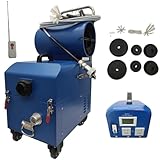
A representative example is the TECHTONGDA Air Duct Cleaning Machine, listed at about $2,799. It is designed for fresh-air pipe cleaning and suction, includes a rotary brush, and is described for duct diameters from approximately 1.97 to 7.87 inches. That range may suit some branch ducts, but it does not mean the machine is appropriate for every residential system. Main trunks, flexible ductwork, registers, plenums, and unusually shaped transitions may require different attachments or techniques.
Before buying, check the machine’s electrical requirements, brush dimensions, hose length, collection method, noise level, and total weight. A unit that requires 110V or 220V power may need a suitable circuit or adapter, and a heavy machine can be difficult to move up stairs or position near an indoor air handler. Also budget for replacement brushes, hoses, filters, access covers, cleaning supplies, and protective equipment.
Professional cleaning is more than inserting a brush into a vent. The work can involve removing registers, isolating zones, covering furniture, sealing openings, creating controlled negative pressure, cleaning the blower compartment, and inspecting the evaporator coil and drain pan. If those steps are skipped, a dramatic-looking pile of debris at one vent may not represent a complete system cleaning.
Pros
- Faster work for repeat jobs: A powered brush and dedicated suction system can be considerably more efficient than hand tools when several ducts need cleaning.
- Better agitation: Rotary brushes and air tools can loosen adhered dust, construction debris, and some heavier buildup that a household vacuum cannot reach.
- More control over containment: Equipment designed for duct cleaning can help keep loosened material moving toward a collection point instead of redistributing it indoors.
- Useful for larger properties: A machine can make sense for landlords, apartment maintenance teams, and facilities with many air handlers or recurring cleaning needs.
- Potential long-term savings: A contractor who completes multiple paid jobs may recover a $2,799 purchase over time, even after accounting for consumables and maintenance.
- Access to specialized attachments: The right brush, whip, hose, or inspection tool can reach areas that ordinary vacuum accessories cannot.
Cons
- High upfront cost: A commercial machine may cost roughly $1,000 to $5,000 or more, before accessories, shipping, repairs, and storage.
- A steep learning curve: Too much pressure or an overly aggressive brush can damage fragile flexible duct, insulation, dampers, or ductboard.
- It may not clean the whole HVAC system: Duct equipment does not automatically clean the blower wheel, coil, cabinet, registers, grilles, or drain pan.
- Limited return on a single home: If a professional cleaning costs $300 to $800, purchasing a $2,799 machine for one project is difficult to justify.
- Storage and handling: These machines can be bulky, loud, and awkward to transport. You may also need extension hoses, a dedicated circuit, and floor protection.
- Potential for unintended damage: Older ductwork, deteriorated insulation, asbestos-containing materials, mold-contaminated systems, or disconnected joints require special caution and sometimes specialist remediation.
- Maintenance costs: Filters, brushes, belts, seals, and collection bags or containers eventually need replacement, reducing the apparent savings.
Who Should Buy It
Professional equipment is most defensible for people who already have a reliable workflow and enough volume to use it regularly. That includes HVAC contractors, duct-cleaning specialists, restoration companies, commercial maintenance departments, and property managers responsible for multiple buildings.
It can also suit an experienced homeowner with several properties, appropriate electrical capacity, safe access, and a willingness to learn the manufacturer’s procedures. Even then, inspect the duct material first. Rigid sheet-metal ducts are generally more forgiving than old flexible ducts with damaged liners or brittle insulation.
Use a simple break-even calculation. If the equipment costs $2,799 and each completed job would otherwise cost $500, the theoretical break-even point is about six jobs. In practice, account for brushes, filters, travel, time, protective materials, and repairs. If the real savings are closer to $250 per job, the machine may require more than 11 jobs to pay for itself.
Who Should Skip It
Most homeowners should skip professional equipment when they need a single cleaning, have no experience working around HVAC components, or cannot identify their duct material. The same is true if the concern is simply a dusty register. Removing and washing grilles, replacing the HVAC filter, vacuuming accessible surfaces, and correcting the source of dust may solve the problem at far lower cost.
Do not use a powerful brush system as a substitute for mold remediation, asbestos assessment, pest cleanup, water-damage restoration, or repairs to disconnected ducts. Those issues require diagnosis before cleaning. If a company promises that duct cleaning will cure allergies, eliminate every household pollutant, or dramatically lower energy bills, treat those claims skeptically.
Cheaper Alternatives
| Option | Cost | Trade-off |
|---|---|---|
| Hire a reputable professional | $300–$800 for many standard homes | Higher per-job cost, but no equipment, training, storage, or damage risk; verify exactly what is included. |
| Household vacuum with soft brush attachments | $0 if already owned; about $100–$400 to buy | Good for registers and accessible surfaces, but not a replacement for negative-air collection or deep duct agitation. |
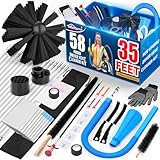
| Dryer vent cleaning kit | About $20–$60 | Useful for a dryer vent, not a whole HVAC system. The Holikme 30-foot kit is listed at $19.99 and is intended for flexible brush cleaning, including fireplace or dryer-style applications. |
| Replace filters and clean registers | About $15–$60 per filter and supplies | Inexpensive routine maintenance, but it will not remove debris deep inside contaminated or heavily neglected ductwork. |
| Rent specialized equipment | Roughly $100–$300 per day, where available | Lower commitment, but availability, training, accessories, transport, and liability vary by rental location. |
The best low-cost choice is often prevention. Change the filter on the schedule recommended for your system, seal visible leaks, keep construction dust away from open ducts, and have the HVAC system inspected when airflow drops or unusual odors appear. Cleaning is most valuable when there is visible contamination, substantial debris after construction, pest activity, water damage, or a specific airflow problem—not simply because a marketing offer says every home needs it.
FAQ
Is professional duct cleaning equipment worth it for a homeowner?
Usually not for a single home. If a machine costs $2,799 and a professional visit costs $300 to $800, hiring a qualified provider is generally less expensive and less risky. Buying can make sense only when you expect repeated use and understand HVAC cleaning procedures.
Can a regular shop vacuum clean air ducts?
It can clean loose debris around registers and short, accessible sections, but most household vacuums are not designed to contain fine airborne contaminants from an entire duct system. Avoid pushing a standard vacuum hose deep into fragile or insulated ductwork, where it may tear the liner or loosen connections.
What should a professional duct-cleaning service include?
Ask whether the quote covers supply and return ducts, registers, grilles, the air-handler cabinet, blower area, and accessible coil surfaces. The provider should explain how openings will be sealed, where debris will be collected, what equipment will be used, and whether repairs or mold remediation cost extra. A vague “whole-house cleaning” promise is not enough.
How often should ducts be cleaned?
There is no universal annual schedule. Many systems do not need routine cleaning if filters are changed correctly and the ducts remain dry and intact. Consider an inspection after renovation, pest intrusion, water damage, visible buildup, persistent odors, or unexplained airflow changes. In 2026, the most sensible buying decision remains the same: address a documented problem rather than purchasing expensive equipment on the assumption that every duct needs cleaning.
Ready to decide? Our #1 pick for 2026 is the Hire a reputable professional.
Live price & availability on Amazon.


Write Your Review
No reviews yet. Be the first to share your experience!