
The right DIY air duct cleaning kit depends on which duct you are cleaning, because kits sold under that name fall into three very different groups: drill-driven brush kits with long flexible rods, vacuum-attachment kits, and shop-vac register nozzles. For a first-time DIY user, the Holikme 35Ft Dryer Vent Cleaner Kit is the most practical all-round pick, since a drill, a long rod set and a brush head cover the job that most households actually need to do. The runner-up is the Sealegend 58-Piece 35-Foot kit, which adds a vacuum hose attachment to pull lint out as you brush. For household heating and cooling registers, a shop-vac duct attachment such as the ApexGrove is a better tool than any brush.
- Top Picks at a Glance
- Comparison Table
- What a DIY Duct Cleaning Kit Can and Cannot Do
- 1. Holikme 35Ft Dryer Vent Cleaner Kit: Best Overall for DIY
- 2. Sealegend 58-Piece 35-Foot Dryer Vent Cleaner Kit: Best Kit with Vacuum Attachment
- 3. Sealegend 40Ft Dryer Vent Cleaner Kit with Quick-Snap Brush: Best for Longer Runs
- 4. ApexGrove Duct Cleaner Attachment for Shop Vac: Best for Cleaning Registers
- 5. Fovapulme 30 Feet Dryer Vent Cleaner Kit with 4-Inch and 6-Inch Brushes: Best for Two Brush Sizes
- 6. Xpike 17FT One-Piece Flexible Shaft Dryer Vent Cleaner Kit: Best Short and Stiff Option
- 7. AOGYikang 30 Feet Dryer Vent Cleaning Brush Kit: Best Multi-Use Brush Set
- Also Consider
- How We Chose
- Buying Guide
- A Simple DIY Routine and When to Call a Professional
- Common Mistakes to Avoid
- Frequently Asked Questions
- Which One Should You Buy?
- Sources
That distinction is the whole point of this guide. Plenty of “duct cleaning kits” are sold for dryer exhaust ducts, which are straight, narrow metal or flexible pipes full of lint. Heating and cooling ducts are larger, branch, and carry dust rather than lint, and they call for different tools and different caution. We lay out what each kit can reach, what it cannot, and when a DIY approach is not the right choice.
All specifications come from the product listings. Where a detail such as rod diameter, brush bristle material or maximum drill speed is not stated, we write “not listed” and suggest you check the full page before buying.
Top Picks at a Glance
- Best Overall for DIY: Holikme 35Ft Dryer Vent Cleaner Kit with Drill Attachment
- Best Kit with Vacuum Attachment: Sealegend 58-Pieces 35-Feet Dryer Vent Cleaner Kit
- Best for Longer Runs: Sealegend 40Ft Dryer Vent Cleaner Kit with Quick-Snap Brush
- Best for Shop-Vac Owners Cleaning Registers: ApexGrove Duct Cleaner Attachment for Shop Vac
- Best for Two Brush Sizes: Fovapulme 30 Feet Kit with 4-Inch and 6-Inch Brushes
- Best Short and Stiff Option: Xpike 17FT One-Piece Flexible Shaft Kit
- Best Multi-Use Brush Set (Vents, Chimney, Fireplace): AOGYikang 30 Feet Brush Kit
Comparison Table
| Product | Best for | Key specs (from listing) | Watch for | Price tier |
|---|---|---|---|---|
| Holikme 35Ft | Most households | 35 ft flexible rods; lint brush; drill attachment | Rods can flex on long runs | Budget |
| Sealegend 58-Piece 35 ft | Brush plus vacuum cleanup | 35 ft; 58 pieces; omnidirectional vacuum lint attachment; brush | Many parts to assemble | Budget |
| Sealegend 40Ft Quick-Snap | Longer ducts | 40 ft; quick-snap brush; drill attachment | Needs a drill with enough torque | Budget |
| ApexGrove Shop Vac Attachment | Supply registers | Shop vac accessory; strong seal; 3 in by 9 in supply nozzle | Needs a shop vac; fits registers only | Mid-range |
| Fovapulme 30 ft | Different duct sizes | 30 ft; 23 PP rods; 4-inch and 6-inch brush heads | Brand has limited track record | Budget |
| Xpike 17FT One-Piece | Short straight runs | 17 ft one-piece flexible shaft; drill powered; heavy-duty lint remover | Short reach; one piece is harder to store | Budget |
| AOGYikang 30 ft | Vents, chimney, fireplace | 30 ft; flexible nylon rod; multi-purpose; for drill | Details on brush heads vary | Budget |
What a DIY Duct Cleaning Kit Can and Cannot Do
Before comparing individual products, it helps to define the job. A dryer exhaust duct is typically a 4-inch round pipe that runs from the back of the dryer to an outside wall or roof cap. It collects lint, which is dry, light and flammable. Cleaning it means pushing a brush through the pipe to loosen lint, then pulling or vacuuming the debris out. The kits in this guide are built for that task.
A household heating and cooling duct system is a different animal. It includes a supply side (the vents that blow air into rooms) and a return side (the grilles that pull air back). Ducts may be rigid sheet metal, flexible plastic-wrapped flex duct, or fiberglass-lined board, and they branch and bend. A drill-driven brush made for a straight lint pipe can tear flex duct or damage fiberglass lining. For that reason, a shop-vac register nozzle, used only on the first few feet beyond a register, is the safer DIY approach for HVAC ducts.
The U.S. Environmental Protection Agency has said that it has not found conclusive evidence that routine duct cleaning prevents health problems, and recommends cleaning when there is visible mold growth, pest infestation or heavy contamination. That is general guidance, not a claim about any of the products here. The practical lesson: if you want a general dust and lint cleanup, DIY tools can help; if you suspect mold, damaged insulation or a contaminated system, call a qualified professional.
1. Holikme 35Ft Dryer Vent Cleaner Kit: Best Overall for DIY
- 35 ft of flexible rods
- Flexible lint brush designed for deep cleaning
- Drill attachment included
- Listed to remove years of lint buildup, improve airflow and support faster drying and fire safety
- Rod diameter and brush bristle material: not listed in the title
Best for: a standard home dryer duct of up to 25 to 30 feet where you have a cordless drill. Skip if: you need to clean HVAC supply ducts with flex duct liners.
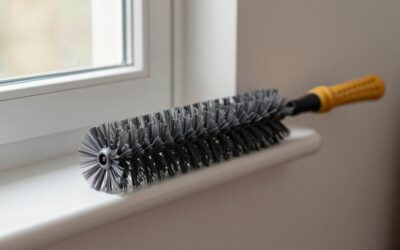
The Holikme kit follows a design that has become the standard for DIY dryer duct cleaning: modular flexible rods that screw together, a brush head at the front and an adapter that fits a drill chuck. At 35 feet it exceeds the length of most home dryer ducts, which means you can reach the exterior cap from the inside, or work from outside with the dryer disconnected.
The key to using this style of kit is that the drill should turn in the clockwise direction only. Reversing the drill can unscrew the rods inside the duct, leaving a segment stuck. Keep the drill speed low, push the brush forward steadily and pull it out periodically to clear debris. Wear a dust mask and eye protection, because lint is fine and gets airborne easily.
Holikme sells many lengths, from 15 ft up to 42 ft, so you can buy only what you need. Measure the duct run first, including elbows, and add a few feet so the brush can emerge at the end.
Pros: Long reach; drill-powered; simple modular rods; multiple lengths available.
Cons: Not suitable for flex HVAC ducts; rod stiffness not listed; vacuum cleanup is separate.
2. Sealegend 58-Piece 35-Foot Dryer Vent Cleaner Kit: Best Kit with Vacuum Attachment
- 58 pieces in the kit
- 35 feet of reach
- Omnidirectional vacuum lint attachment
- Dryer vent brush for hard-to-reach areas
- Rod material: not listed in the title
Best for: people who want to brush and vacuum in one system and who will also clean the lint trap housing and dryer cabinet. Skip if: you want the minimum number of parts.
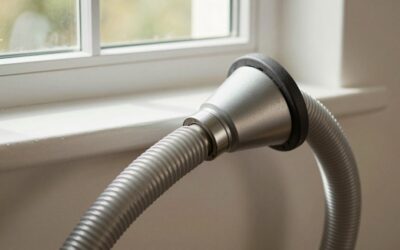
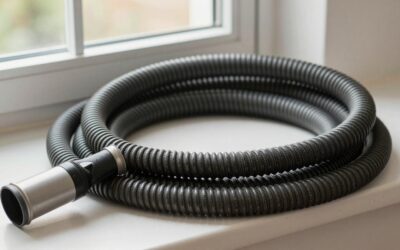
Brushing loosens lint, but it does not remove it. A kit that includes a vacuum attachment completes the job: the hose adapter connects to your vacuum cleaner and lets you pull lint out of the lint trap slot, the back of the dryer and the first part of the duct. That combination is more effective than brushing alone because it collects debris rather than pushing it around.
With 58 pieces, this kit includes many connectors. That gives flexibility but means you need a clean work area and a little patience for assembly. Lay out the parts before you start, so you do not lose a connector in the lint.
As with any kit, check the vacuum adapter diameter against your hose. Universal adapters are common but not guaranteed.
Pros: Brush and vacuum in one kit; long reach; accessories for lint trap and dryer cabinet.
Cons: Many small parts; vacuum adapter may need an adapter ring; not for HVAC flex duct.
3. Sealegend 40Ft Dryer Vent Cleaner Kit with Quick-Snap Brush: Best for Longer Runs
- 40 ft of flexible lint remover
- Upgraded quick-snap brush
- Drill attachment for use with a power drill
- Easy DIY assembly per the listing
- Sealegend also sells 15 ft, 50 ft and 60 ft versions
Best for: long or multi-elbow dryer ducts, such as a laundry in a basement with a run to a roof cap. Skip if: your dryer is on an outside wall with a short vent.
The quick-snap brush mentioned in the listing is designed to connect and release without twisting. That can save time and frustration when swapping brush heads or retrieving a brush from a long run. The extra length also matters in homes where the dryer is far from the exterior wall: a 40 ft kit can span a lot of piping, including several elbows.
On long runs, drill torque and rod flex become important. Rods can wind up like springs, so use short bursts and slow speed, and withdraw the brush frequently. If your duct has more than three or four 90-degree elbows, be especially careful, since each elbow adds friction.
Pros: Long reach; quick-snap connections; multiple lengths; drill-powered.
Cons: Long rods need care in elbows; rod material not listed; takes space to store.
4. ApexGrove Duct Cleaner Attachment for Shop Vac: Best for Cleaning Registers
- HVAC cleaning tool for air vents that attaches to a shop vacuum
- Strong seal at the supply nozzle
- Nozzle size 3 inches by 9 inches
- Blue plastic accessory
- Shop vac compatibility details: check the full listing
Best for: homeowners who want to vacuum dust from the first few feet of supply registers without agitating the ducts. Skip if: you do not own a shop vac with a strong motor.
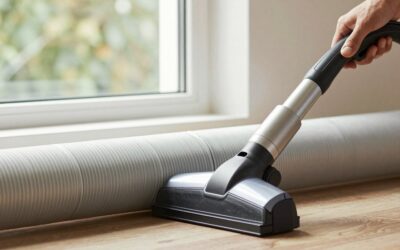
This is a different kind of tool. A register nozzle seals the opening of a supply vent so that a shop vacuum pulls air through the duct, carrying dust with it. It does not use a brush, so it is less likely to damage duct liners and flex ducts. The 3 inch by 9 inch size is a common register boot dimension, but measure your own opening before you buy.
The limit is reach. Vacuum suction drops quickly with distance, so this tool cleans the first section behind the register rather than the entire duct run. It is useful as a regular maintenance step, especially after renovations or when you notice dust around a vent.
For safety, make sure your vacuum has a good filter, because fine dust can pass through a basic filter and settle back in the room. A shop vac with a HEPA filter is the better choice for this task.
Pros: No brush agitation; sealed nozzle; works with an existing shop vac; suited to registers.
Cons: Short effective reach; needs a shop vac; fits specific vent sizes.
5. Fovapulme 30 Feet Dryer Vent Cleaner Kit with 4-Inch and 6-Inch Brushes: Best for Two Brush Sizes
- 30 ft total with 23 PP rods
- Includes 4-inch and 6-inch dryer vent brushes
- Suitable for dryer duct, chimneys, pipes and crevices per the listing
- Drill compatible
- Rod stiffness: not listed
Best for: homes that have both a standard 4-inch dryer duct and some larger 6-inch ductwork, such as bathroom exhaust or a larger vent. Skip if: you only need one brush size.
The ability to switch from a 4-inch to a 6-inch brush head is the reason to choose this kit. Dryer ducts are typically 4 inches, but exhaust runs for range hoods or ventilation fans can be larger. The 6-inch brush is useful for those, and pairing both with the same rod set saves buying a second kit.
Using polypropylene rods keeps the system flexible, which helps with bends. Remember that a brush that is too large for the duct will bind, and one that is too small will miss lint on the walls. Choose a brush that fits snugly without being forced.
Pros: Two brush sizes; 30 ft reach; flexible rods; multi-use.
Cons: Lesser-known brand; rod and brush materials limited in listing; shorter than 35 ft kits.
6. Xpike 17FT One-Piece Flexible Shaft Dryer Vent Cleaner Kit: Best Short and Stiff Option
- 17 ft one-piece flexible shaft
- Drill-powered dryer duct cleaning brush
- Heavy-duty lint remover tool per the listing
- Xpike also lists a 23 ft pneumatic version
- Shaft diameter and brush size: not listed
Best for: short, straight dryer ducts, such as one that runs directly from the dryer through an outside wall. Skip if: your duct is long or has multiple elbows.
A one-piece shaft removes the risk of segments unscrewing inside the pipe, which is the most common failure with modular rods. That makes it a good choice for people who worry about a stuck rod. The trade-off is storage: 17 ft of continuous shaft must be coiled, and it takes more space than separate rods.
With a 17 ft reach, you can clean a typical short run from one end. For longer ducts, you will need to work from both ends or choose a longer modular kit.
Pros: One-piece shaft; fewer parts to lose; drill-powered.
Cons: Short reach; harder to store; details not listed in title.
7. AOGYikang 30 Feet Dryer Vent Cleaning Brush Kit: Best Multi-Use Brush Set
- 30 ft with flexible nylon rod
- Multi-purpose lint cleaning brush for drill
- Listed for chimneys, fireplaces and ventilation ducts
- A second version includes 4 inch and 6 inch brush heads
- Rod diameter: not listed
Best for: households that want one kit for a dryer duct and occasional chimney or vent cleaning. Skip if: you need a certified chimney sweep tool; chimney cleaning is a separate safety topic.
This kit is built around versatility. The nylon rod is flexible enough to follow bends and the brush attachments suit several pipe sizes. It sits in the middle of the market on features, and it is a reasonable alternative to the Holikme or Fovapulme.
If you plan to use it on a fireplace flue or chimney, check the manufacturer’s guidance and local codes. For creosote buildup in a wood-burning chimney, many fire safety bodies recommend a professional inspection and sweep.
Pros: Flexible nylon rod; multi-purpose; 30 ft reach.
Cons: Fewer brand details; chimney use needs caution; sizing varies by version.
Also Consider
Holikme Dryer Vent Cleaner Kit 2 Pack (Lint Vacuum Attachment and Brush)
A low-cost vacuum hose attachment and brush for cleaning behind the dryer and the lint trap slot. A good add-on to a rod kit.
Xpike 23FT Pneumatic Dryer Vent Cleaner Kit
A pneumatic design that uses air pressure instead of a drill. Check the full listing to confirm what air source it needs.
TAICHODEER 4 Piece Flexible Cleaning Brush Set
Short flexible brushes for dryer vents, refrigerator coils, HVAC systems and tight spaces. Suited to small jobs rather than long ducts.
Sealegend 50Ft Dryer Vent Cleaner Kit
A longer version of the quick-snap design for very long runs, such as a roof exit.
How We Chose
We did not physically use any of these kits. This guide is built from research: the product details published in each listing, the manufacturers’ descriptions, and guidance from fire safety and home maintenance sources such as the U.S. Fire Administration, the Consumer Product Safety Commission, the U.S. Environmental Protection Agency and the National Air Duct Cleaners Association, along with independent home maintenance guides.
We started with real, currently sold duct cleaning kits and attachments and sorted them by type: drill-rod brush kits, vacuum attachments and shop-vac register nozzles. We included different lengths, limited each brand to two appearances and covered a range of budgets. We quote specifications only when the listing states them, and mark all other details “not listed”.
Buying Guide
Match the kit to the duct type
Dryer ducts are usually rigid or semi-rigid metal and are smooth enough for a brush. Flexible plastic or foil ducts can tear, so use gentler tools or replace damaged sections. HVAC supply and return ducts are different: for these, use a shop-vac register nozzle for light cleaning and hire a professional for a deeper job, particularly if the duct is fiberglass-lined or flex duct.
Choose the right length
Measure the duct run from the dryer outlet to the exterior cap, including elbows. Add 3 to 5 feet so the brush can exit. A 15 to 20 ft kit suits a short run, 30 to 35 ft suits most homes and 40 ft or more is for long or multi-story routes. A kit that is too short forces you to work from both ends.
Brush diameter
The brush should match the duct diameter. For a standard 4 inch duct, use a 4 inch brush; a 6 inch brush will bind. Larger vents, such as a range hood or bathroom exhaust, may use 5 to 6 inch ducts.
Rod design: modular or one-piece
Modular rods are easier to store and let you tailor the length, but segments can unscrew if the drill reverses. One-piece shafts avoid this but need more room. Quick-snap connections speed up assembly but must lock firmly.
Drill and safety gear
A cordless drill with variable speed and a clockwise-only setting is recommended. Wear safety glasses and a dust mask or respirator suited to fine dust, and disconnect the dryer from power (and gas if applicable) before work. If you have a gas dryer, ask a professional to handle the gas connection.
A Simple DIY Routine and When to Call a Professional
For a dryer duct, a basic routine is: unplug the dryer, pull it out, disconnect the duct, vacuum the lint trap housing, then run the brush from the dryer end or from the outside cap, pulling it out regularly to clear lint. Reconnect with a rigid or semi-rigid duct and clamp, not with tape, and check that the exterior flap opens freely. The U.S. Fire Administration notes that dryers are a common cause of home fires and recommends regular cleaning, so repeat the process at least once a year, or more often with heavy use.
Call a professional when you see mold, signs of pests, damaged or crumbling duct lining, a gas dryer you are not comfortable disconnecting, or very long and complex routes. The same applies to an HVAC system you suspect is contaminated. A qualified contractor has the equipment to contain and remove debris safely.
Common Mistakes to Avoid
- Using a rotary brush on flex duct or fiberglass-lined ducts.
- Running the drill in reverse and unscrewing rods inside the duct.
- Skipping the vacuum step so lint is just redistributed.
- Reconnecting with foil tape or flimsy plastic duct instead of proper metal duct and clamps.
- Treating a clean duct as a cure for every airflow problem.
Frequently Asked Questions
What is the best air duct cleaning kit for DIY use?
For dryer ducts, a drill-driven rod and brush kit like the Holikme 35 ft or Sealegend 40 ft is the most practical. For household heating and cooling registers, a shop-vac duct attachment such as the ApexGrove is the safer DIY choice.
Can I use a dryer vent brush kit on my HVAC ducts?
Generally no. Rotary brushes can damage flex duct and fiberglass lining. Use a register vacuum attachment for light cleaning and ask a professional for a deeper HVAC clean.
How long should my duct cleaning kit be?
Measure the run from the dryer to the outside cap, then add 3 to 5 feet. Most homes need 25 to 35 feet, and shorter runs can use 15 to 20 feet.
How often should I clean my dryer duct?
At least once a year is a common recommendation from fire safety sources, and more often with heavy use, pets or long duct runs. Clean the lint trap after every load.
Is DIY duct cleaning safe?
For dryer ducts, it is a reasonable DIY job if you disconnect power, wear protection and follow the kit instructions. Gas dryers, mold, damaged ducts or very long runs are better handled by a professional.
Do I need a drill for a duct cleaning kit?
Most rod kits are designed for a standard power drill. Some pneumatic or hand-crank options exist, but a cordless drill with variable speed makes the job easier.
Will duct cleaning improve my indoor air quality?
The EPA says it has not found conclusive evidence that routine duct cleaning prevents health problems. It can remove visible dust and lint, which is useful for appliance performance, but should not be treated as a health treatment.
Which One Should You Buy?
If you only buy one kit for a home dryer, choose the Holikme 35 ft for a good balance of length, price and simplicity. If you want brushing and vacuuming in one set, take the Sealegend 58-piece kit. Choose the Sealegend 40 ft or 50 ft for long runs, the Fovapulme if you need both 4 inch and 6 inch brushes and the Xpike one-piece shaft for short straight runs. For household vents and registers, use the ApexGrove shop-vac attachment with a filtered shop vacuum. Whichever you choose, match the tool to the duct type, measure the run and call a professional when conditions are beyond a simple clean.
Sources
- Manufacturer product pages and listing details for Holikme, Sealegend, ApexGrove, Fovapulme, Xpike, AOGYikang and TAICHODEER
- U.S. Fire Administration guidance on clothes dryer fires
- U.S. Environmental Protection Agency guidance on air duct cleaning
- National Air Duct Cleaners Association consumer information
- Consumer Product Safety Commission dryer safety information
Last updated: October 2026


Write Your Review
No reviews yet. Be the first to share your experience!