
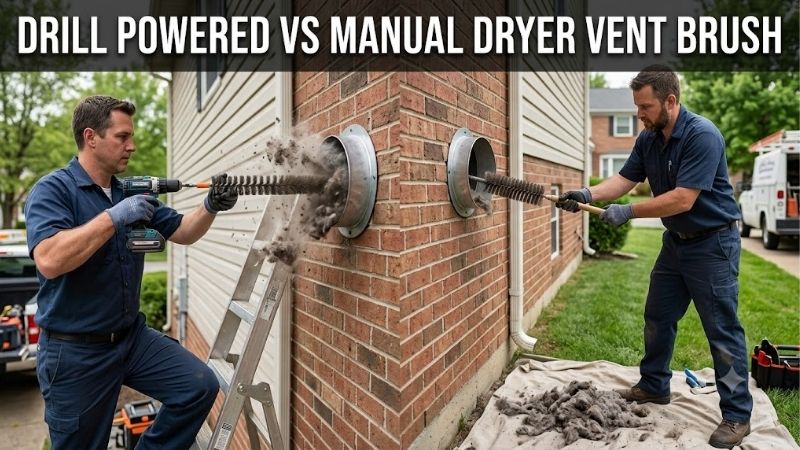
Drill powered vs manual dryer vent brush choices determine how quickly and thoroughly you can eliminate trapped exhaust lint. Rotary drill systems utilize motorized spinning action to scrub stubborn wall buildup, whereas manual brushes depend on hand pressure. Evaluating your vent length helps prevent severe lint fire hazards today.
How to Choose the Right Drill Powered vs Manual Dryer Vent Brush
Comparing drill powered vs manual dryer vent brush options requires evaluating duct length, wall rigidness, and clearing power. Motorized rotary sets scrub deep buildup rapidly, while simple hand tools offer precise manual control without risking pipe joint detachment. Selecting proper gear keeps home exhaust channels completely safe.
Rotary Power and Motorized Cleaning Speed
Connecting a high-speed motorized driver to a rotary dryer vent cleaner transforms routine maintenance into a fast task. Spinning brush heads slice through impacted lint cakes across long exhaust channels in minutes. However, excessive torque can damage delicate aluminum foils if handled carelessly during high-speed operation.
Using drill power allows the brush head to scrape the full interior circumference of rigid sheet metal pipes. Mechanical rotation strips caked-on fuzz from corners where simple hand pushing often fails. Choosing power tools drastically reduces physical fatigue when servicing long residential ventilation systems.
Flexibility of Extension Rods and Duct Length
Selecting high-quality flexible nylon rods ensures your brush navigates sharp elbows without snapping inside walls. Long vent runs demand durable interlocking shafts that withstand rotational tension without unthreading mid-clean. Manual sweeping handles short wall drops, while motorized setups clear deep multi-turn channels.
Rigid rods risk binding or puncture when forced through tight ninety-degree bends in concealed wall cavities. Premium nylon shafts flex easily while maintaining structural integrity under heavy rotational pressure. Measuring your duct length before purchasing ensures adequate pole coverage for complete lint extraction.
Duct Type Compatibility and Pipe Safety
Matching your brush tool to rigid metal, semi-rigid aluminum, or flexible foil ducts prevents costly pipe ruptures. High-torque drill rotation can tear thin accordion foil sleeves, making a stiff bristle manual brush safer for delicate lines. Always inspect vent lining materials before applying motorized spinning force.
Smooth rigid galvanized steel ducts handle full drill speeds without any risk of wall puncture or tear. Conversely, older flexible vinyl or lightweight foil conduits demand gentle hand sweeping to protect fragile seams. Choosing compatible cleaning methods preserves your home ductwork integrity over time.
Lint Removal Efficiency and Fire Hazard Prevention
Thorough duct sweeps lower energy bills while achieving effective lint fire hazard prevention across home laundry systems. Clogged vents trap intense heat and flammable fibers, creating serious home combustion risks. Using motorized rotation along with suction vacuum attachments ensures complete debris extraction out to outdoor hoods.
Removing trapped lint allows clothes dryers to exhaust hot moisture efficiently, cutting drying cycle times significantly. Combining high-torque brush sweeps with shop vacuum collection traps loose particles before they settle back into lower elbows. Routine maintenance preserves appliance health and safeguards home living spaces.
Top Picks for Dryer Vent Cleaning Kits
Selecting the ideal drill powered vs manual dryer vent brush kit depends on your specific vent layout and cleaning preference. The following top-rated Amazon products offer reliable flexibility, durable brush heads, and proven lint extraction performance. Quality tools ensure safe and efficient laundry airflow.
Holikme 30 Feet Dryer Vent Cleaner Kit
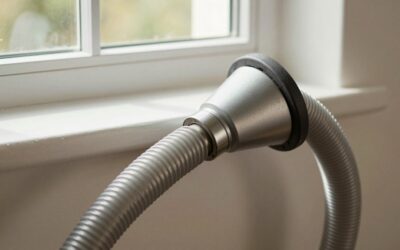
Ideal for homeowners evaluating drill powered vs manual dryer vent brush performance, Holikme offers a 30-foot flexible system. This popular kit includes durable nylon rods and a high-density drill attachment brush for deep lint sweeps. Smooth rod connectors allow effortless movement through long residential metal ducts.
Image showing Holikme 30 Feet Dryer Vent Cleaner Kit for drill powered vs manual dryer vent brush.
On the downside, spinning the flexible rods in reverse with a drill can cause threaded joints to unscrew inside hidden wall cavities. Always keep your power drill rotating forward in clockwise mode during insertion and retrieval. Still, its affordable price and vast reach deliver exceptional value for routine cleaning.
Gardus LintEater RLE202 Rotary Dryer Vent Cleaner
Engineered for heavy-duty maintenance, the Gardus LintEater utilizes a specialized auger brush head to clear stubborn blockages. Its self-feeding design pulls lint out smoothly when driven by a standard cordless power drill. High-flex nylon rods bend around tight ninety-degree elbows without cracking or binding inside.
Image showing Gardus LintEater RLE202 Rotary Dryer Vent Cleaner for dryer lint removal.
However, the 12-foot standard kit length requires purchasing separate extension rods for longer home vent runs. The screw button connections can also feel slightly stiff during disassembly after extended use. Regardless of minor connection stiffness, its professional-grade cleaning performance ensures top safety.
Sealegend 2-Piece Dryer Vent Lint Trap Cleaner Tool
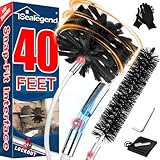
Perfect for manual maintenance, Sealegend features a long dryer lint remover brush designed for quick lint trap clearing. This non-drill tool features a flexible wire shaft that reaches deep inside lower dryer filter slots. It extracts hidden felt fuzz effortlessly without requiring power tool setup or assembly.
Image showing Sealegend 2-Piece Dryer Vent Lint Trap Cleaner Tool for manual cleaning.
On the downside, this manual wire brush cannot clean long wall ducts that extend twenty feet out to roof vents. It serves primarily as a localized trap cleaner rather than a full-system vent scrubber. Still, its simple handheld design makes daily lint trap maintenance fast and completely hassle-free.
Deflecto Supreme Dryer Vent Cleaning Kit
Tailored for versatile residential maintenance, Deflecto provides a 12-foot duct system compatible with drills or manual handles. High-resilience nylon bristles scrub metal vent walls cleanly, performing effective dryer vent duct cleaning. Quick-connect rods streamline assembly when working in tight utility closets.
Image showing Deflecto Supreme Dryer Vent Cleaning Kit for drill powered vs manual dryer vent brush.
However, the plastic rod connectors can wear down after repeated high-torque drilling sessions over several years. Users with long vent networks will also need to buy extra extension poles to reach exterior wall outlets. Despite minor wear limits, its dual drill and hand operation offers excellent flexibility.
Brush Tech Long Flexible Dryer Lint Trap Brush
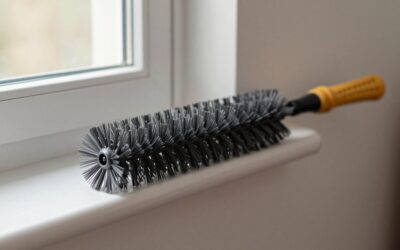
Great for simple hand sweeps, Brush Tech supplies a 36-inch manual lint trap cleaner tool with dense wire-bound bristles. This sturdy tool bends easily to match cabinet curves, pulling trapped lint clumps directly from filter housings. It requires zero battery power, making it ideal for fast laundry room touch-ups.
Image showing Brush Tech Long Flexible Dryer Lint Trap Brush for manual dryer cleaning.
On the downside, the exposed wire tip can scratch thin internal plastic components if forced roughly down narrow vents. The short reach also restricts cleaning to immediate lint trap cavities rather than long concealed wall ducts. Nevertheless, its durable construction and budget cost make it a great manual option.
| Product Model | Power Source | Reach Capacity | Key Advantage | Price Tier |
|---|---|---|---|---|
| Holikme 30 Feet Kit | Drill / Manual | 30 Feet | High reach with drill power | Budget |
| Gardus LintEater RLE202 | Drill Powered | 12 Feet (Expandable) | Auger head for heavy clogs | Moderate |
| Sealegend 2-Piece Tool | Manual Sweeping | 2.5 Feet | Ideal for lint trap slots | Budget |
| Deflecto Supreme Kit | Drill / Manual | 12 Feet | Dual drill and hand operation | Moderate |
| Brush Tech Flexible Brush | Manual Sweeping | 3.0 Feet | Simple wire shaft trap brush | Budget |
Frequently Asked Questions
Addressing common questions regarding drill powered vs manual dryer vent brush setups helps homeowners maintain efficient laundry systems. Clarifying drill speeds, pipe safety, and rod extensions prevents costly duct damage. Expert insights guide you toward selecting the safest cleaning equipment for your home.
Can a drill-powered brush damage flexible aluminum dryer vents?
Yes, using high-torque cordless drills on thin flexible foil ducts can easily tear delicate accordion walls. Motorized spinning works best on rigid sheet metal pipes, whereas semi-rigid lines require low drill speeds. Using a flexible extension rod manually reduces mechanical stress on fragile duct materials.
Always inspect your vent material before connecting power tools to cleaning rods. If your ductwork consists of unreinforced thin vinyl or foil sleeves, stick to gentle hand sweeping. Preserving duct structural integrity prevents dangerous exhaust gas and lint leaks inside wall cavities.
How do you prevent extension rods from disconnecting inside wall ducts?
Preventing rod separation inside hidden wall vents requires operating your power drill strictly in clockwise forward rotation. Spinning tools in reverse unthreads standard screw joints, dropping brush heads inside ducts. Taping threaded rod joints with electrical tape provides extra safety during deep sweeps.
Additionally, avoid pushing rods forcefully against sharp turns without rotating the brush head simultaneously. Consistent clockwise motion keeps threaded connectors tight while guiding bristles around ninety-degree elbows. Taking simple precautions guarantees smooth equipment retrieval after completing vent cleaning.
How often should you clean your home dryer vent system?
Cleaning your home dryer vent system once every six to twelve months maintains proper airflow and prevents fire hazards. Large households with frequent heavy laundry loads should inspect vents twice yearly. Removing trapped lint regularly lowers utility costs while extending your dryer’s operational lifespan.
Watching for warning signs like long drying cycles or excessively warm dryer cabinets indicates immediate lint buildup. Clearing exhaust channels before heavy winter or summer laundry seasons keeps appliance performance high. Timely maintenance guarantees safe operation and reduces annual electricity expenses.
Are manual vent brushes effective for long duct runs over twenty feet?
Manual vent brushes become difficult to push effectively through long duct runs exceeding twenty feet due to wall friction. Hand sweeping lacks the rotational force needed to dislodge heavy lint cakes deep inside multi-elbow channels. Drill-powered kits offer necessary torque for long residential vents.
For extended vent runs, motorized rotation spins bristles against pipe walls to move heavy debris forward continuously. Manual brushes remain excellent for short vertical runs and quick lint trap filter cavity clearing. Choosing drill power for long ducts saves time and ensures a complete clean.
Final Thoughts
Selecting between a drill powered vs manual dryer vent brush comes down to your home duct length and pipe material. Motorized rotary systems deliver swift clearing power across deep wall vents, while manual brushes excel at delicate trap maintenance. Investing in quality tools ensures clean airflow and house safety.
As an Amazon Associate we earn from qualifying purchases at no extra cost to you.








Write Your Review
No reviews yet. Be the first to share your experience!