
Attics are among the hardest spaces to cool because the roof absorbs heat and sheds it into the room. The best air conditioner for an attic is usually a ductless mini-split, sized with the extra heat load in mind and paired with better insulation. Here is how to approach it.
Quick Picks by Need
| Attic scenario | Type to consider |
|---|---|
| Finished bedroom or office | Single-zone ductless mini-split |
| Temporary or seasonal use | Window unit if a suitable window exists |
| No suitable window | Dual-hose portable unit with careful hose routing |
| Extending existing central air | Duct extension with an airflow assessment, or a dedicated mini-split |
| Unfinished storage attic | Ventilation and insulation first, cooling only if required |
Why Attics Run So Hot
Roof surfaces heat up in sunlight, and the air under them can become far hotter than outdoor air. Sloped ceilings, small windows and thin insulation make matters worse. If the attic is poorly ventilated, heat builds and stays.
That means the cooling load per square foot is often higher than in ordinary rooms. Adding insulation at the roof deck or rafters, sealing air leaks and improving attic ventilation reduce the load and make cooling cheaper to run.
Sizing and Capacity
The usual 20 BTU per square foot rule tends to underestimate attic needs. Many guides suggest adding a sizeable margin for top-floor rooms with sunlit roofs, but the exact amount depends on insulation, roof color and orientation. A contractor can run a load calculation that accounts for the sloped ceiling and glass area.
Do not oversize drastically. A too-large unit cools quickly, shuts off and leaves clammy air. Variable-speed inverter units handle large load swings more gracefully, adjusting output as the roof heats up through the afternoon.
Mini-Splits, Window Units and Ducts
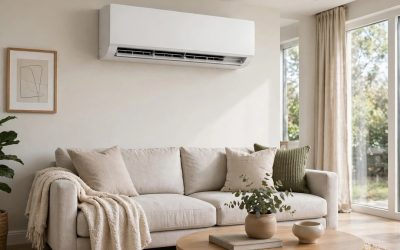
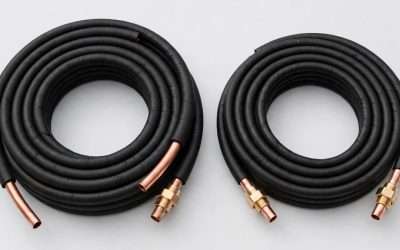
A ductless mini-split often suits an attic well. It needs only a small wall opening for the line set, runs quietly and offers heating in winter if you choose a heat pump model. Mount the indoor head high on a wall where cool air can circulate, and plan a clear path for the refrigerant lines and condensate drain.
Window units work if there is a window that holds one safely, but dormers and small gable windows are often awkward. Extending central ducts into an attic can leave it starved of airflow if the main system was not designed for the extra space.
Insulation, Ventilation and Mistakes
- Skipping insulation: equipment alone rarely overcomes a hot roof.
- Ignoring drainage: condensate needs a route that does not damage ceilings below.
- Poor hose routing: portable units need short, straight exhaust runs.
- Forgetting stairs: heavy equipment is hard to carry up narrow attic stairs, so plan access.
For safety, never block attic vents or fire-rated assemblies, and have licensed professionals handle refrigerant and electrical work.
Comfort Beyond Cooling
Heat is not the only attic issue. Sloped ceilings can trap warm air near the top, while the lower areas feel cooler. A ceiling fan or small circulator can mix air, and placing the indoor head of a mini-split high on a gable wall helps it throw cool air across the room. Consider how furniture and knee walls block airflow, and place equipment where the stream is not interrupted.
Insulation Choices Worth Discussing
Talk with an insulation professional about adding insulation at the roof slope, knee walls and floor, as well as air sealing at gaps. Radiant barriers are sometimes used in hot climates, though results vary by setup. Proper ventilation of the roof assembly should not be blocked, so have a qualified person check that changes comply with local codes.
Seasonal Use and Heating
If the attic is also cold in winter, a heat pump mini-split can provide both cooling and heating from the same equipment, which simplifies the setup. For occasional use, think about how quickly the room needs to reach a comfortable temperature, because a hot attic can take time to cool from a warm start. Running the unit earlier in the day often helps.
Budget Thinking and Priorities
Spending a little on insulation and air sealing before equipment can shrink the system you need and reduce running time. If budget is tight, begin with shading, reflective window treatments and ventilation, then add a modest unit. Reserve the larger investment of a ductless system for rooms you will use regularly, and consider getting more than one professional opinion on sizing.
Whatever you choose, ask a professional to confirm that the floor and framing can support the equipment and that routes for refrigerant, drain and wiring respect fire blocking and access requirements. Attic work has hidden hazards, so it is worth getting expert eyes on the plan.
Also plan for access: measure the attic stairs and any hatch before ordering equipment, because oversized boxes are a common surprise on installation day, and a clear path saves time and prevents damage to finished surfaces.
Frequently Asked Questions
Can a window unit cool an attic?
It can if the window fits and the load is moderate. Poor insulation may overwhelm it on hot afternoons.
Is a mini-split worth it?
For regularly used attic rooms, it is often the most practical long-term choice.
Do I need to insulate first?
It is strongly advisable, because insulation can reduce the capacity you need and cut running time.
Will it also heat the room?
Heat-pump mini-splits can, which helps if the attic is cold in winter.
Final Thoughts
Treat the attic as a heat problem first and an equipment problem second. Improve insulation and ventilation, size the unit for the real load and choose a quiet ductless system for the most dependable comfort.


Write Your Review
No reviews yet. Be the first to share your experience!