
- Top Pick: RectorSeal Safe-T-Switch SS2
- Runner-up: DiversiTech WS-1 Wet Switch Flood Detector
- Also consider: RectorSeal EZ Trap 225 Inline Overflow Switch
A condensate overflow switch is a small safety device that shuts down an air conditioner when a clogged drain lets water rise too high. It sits in the drain pan or the drain line, and when the float lifts or the sensor detects water, it opens the low-voltage thermostat circuit so the system stops making more condensate. Without one, a slow clog can soak ceilings and floors before anyone notices.
- Quick Answer
- 1. RectorSeal Safe-T-Switch SS2
- 2. DiversiTech WS-1 Wet Switch Flood Detector
- 3. RectorSeal EZ Trap 225 Inline Overflow Switch
- 4. RectorSeal Safe-T-Switch SS610E
- 5. DiversiTech CC-1 Condensate Cop
- How to Choose a Condensate Overflow Switch
- Who Should Skip a Condensate Overflow Switch
- Frequently Asked Questions
- Final Verdict
Choosing the right switch comes down to where it will live and how it senses water. Inline float switches guard the primary drain line, pan-mounted float switches watch the auxiliary pan, and electronic sensor switches work well in tight spaces such as ductless mini-split units. The five switches below cover each placement, and all of them wire into a standard 24-volt control circuit.
As an Amazon Associate, we earn from qualifying purchases.
Quick Answer
For most homes, the RectorSeal Safe-T-Switch SS2 is the best condensate overflow switch because it fits the auxiliary outlet of a primary drain pan and uses a proven magnetic reed float. If the drain pan has no spare outlet, the DiversiTech CC-1 clamps over the pan edge instead.
1. RectorSeal Safe-T-Switch SS2
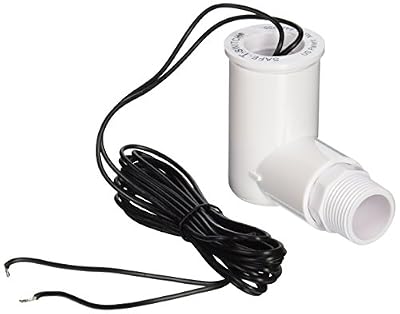
The Safe-T-Switch SS2 is the classic L-shaped float switch for the auxiliary outlet of a primary drain pan. It threads into the spare outlet with the included 3/4-inch adapter, watching the exact point where water backs up when the main drain clogs. The magnetic reed design has no exposed electrical contacts, keeping the switching mechanism sealed away from condensate and debris.
The switch connects into the thermostat circuit, usually the red or yellow wire, and breaks the circuit when the float rises. The float sensitivity adjusts by pushing the stem to a lower position, and the cap removes easily for cleaning without uninstalling the whole fitting.
Specs
- Model: SS2, RectorSeal code 97637
- Switch type: Magnetic reed float switch
- Voltage: 24 volts AC, 1.25 amp maximum carrying capacity
- Lead wires: 6 feet, 18 AWG
- Connection: 3/4-inch adapter for the auxiliary drain pan outlet
- Mounting: Installs vertically or horizontally, on slopes up to 45 degrees
- Certification: Tested to UL 508
- Grouping: Mid-range
2. DiversiTech WS-1 Wet Switch Flood Detector

The DiversiTech WS-1 Wet Switch takes a different approach: instead of a float, it uses an electronic sensor pad that sits directly in the drain pan. When condensate touches the hydrophilic pad, the solid-state control opens the circuit and shuts the system down. With no moving parts to stick, it is a strong choice for pans where algae and sludge build up.
The WS-1 includes test and reset buttons plus LED indicators, so checking it means pressing a button rather than lifting a float by hand. It wires into the 24-volt control circuit and guards the pan itself, catching water an inline switch might miss when the clog sits upstream.
Specs
- Model: WS-1, Asurity Wet Switch Flood Detector
- Switch type: Electronic moisture sensor with hydrophilic pad, SPDT output
- Voltage: 24 volts AC, 50/60 Hz
- Power draw: 1.5 watts
- Controls: Test and reset buttons with LED indicators
- Mounting: Sits directly in the auxiliary or primary drain pan
- Grouping: Premium
3. RectorSeal EZ Trap 225 Inline Overflow Switch

The EZ Trap 225 is an inline switch that fits into the condensate drain line itself, the right pick when the drain pan has no auxiliary outlet or is hard to reach. It works on both primary and secondary drain lines and includes a reset button, so the system can be restarted quickly once the clog is cleared.
Because it sits in the line rather than in the pan, the EZT-225 detects a downstream clog early, before water backs up into the pan. The compact inline body suits tight air handler closets, and it is a practical retrofit choice where adding a pan switch would mean cutting or replacing the pan.
Specs
- Model: EZT-225, RectorSeal code 83225
- Switch type: Inline float overflow switch, normally open contact
- Voltage: 24 volts
- Current rating: 10 amps
- Connection: Inline in 3/4-inch condensate drain line, universal primary or secondary use
- Controls: Manual reset button
- Item weight: 8.1 ounces
- Grouping: Budget
4. RectorSeal Safe-T-Switch SS610E

The Safe-T-Switch SS610E is an electronic sensor switch built for ductless mini-split systems, where a standard float switch often will not fit. Its small sensor probe tucks into the drain pan or clips to the coils inside the indoor unit, and the compact control box mounts to the side of the unit. The logic circuit samples the probes continuously and shuts the system down when water is detected.
With no moving parts, the SS610E avoids the sticking floats that sometimes affect mechanical switches in small pans. Onboard LEDs show the switch condition, and it resets automatically once the water subsides. It is the most specialized switch in this roundup, and the best fit for mini-split owners.
Specs
- Model: SS610E, RectorSeal code 97622
- Switch type: Electronic probe sensor switch
- Designed for: Ductless mini-split air conditioning systems
- Sensor: Small probe that fits in the drain pan or clips to coils
- Indicators: Onboard LEDs show switch condition
- Reset: Automatic reset once water subsides
- Moving parts: None
- Grouping: Premium
5. DiversiTech CC-1 Condensate Cop

The DiversiTech CC-1 Condensate Cop clamps over the edge of a drain pan, making it the easiest switch here to install on a pan with no threaded outlet. A large over-clamping area fits formed plastic and galvanized sheet metal pans alike, and the float and probe assembly swivels so it can sit vertically even on pans with sloped sides.
The CC-1 is a normally closed reed switch, so it completes the thermostat circuit during normal operation and opens it when water lifts the float. It trips at roughly 1.5 inches of water depth, giving the system time to stop before the pan overflows. For an older air handler with a plain secondary pan, this clamp-on design is often the simplest path to overflow protection.
Specs
- Model: CC-1, Condensate Cop
- Switch type: Clamp-on magnetic reed float switch, normally closed
- Voltage: 24 volts AC
- Current rating: 1.5 amps
- Activation depth: Approximately 1.5 inches from the bottom of the probe
- Lead wires: Two-wire connection, 5-foot leads
- Compatibility: Formed plastic and galvanized sheet metal drain pans
- Certification: ETL listed
- Grouping: Budget
How to Choose a Condensate Overflow Switch
Start with the mounting location. If the primary drain pan has a spare auxiliary outlet, an L-shaped float switch such as the SS2 threads straight in. If the pan has no outlet, a clamp-on switch such as the CC-1 or an electronic sensor such as the WS-1 sits in the pan itself. If the pan is unreachable, an inline switch such as the EZT-225 guards the drain line instead.
Next, match the switch to the system type. Standard split systems accept any of these switches, but ductless mini-splits need the compact sensor design of the SS610E. Check the voltage and current ratings against the control circuit. Most residential switches run on 24-volt thermostat wiring, but high-voltage equipment needs a switch rated for it.
Think about maintenance as well. Float switches need periodic cleaning so algae does not jam the float, and removable caps or test buttons make that job easier. Electronic sensor switches have no float to stick, but their probes still need cleaning. Test any switch at least once a year by lifting the float or pressing the test button while the system runs.
Finally, consider a second layer of protection. Many installers pair an inline switch on the primary drain with a pan switch on the auxiliary pan, so a clog is caught at two points. The two switches wire in series, and either one can shut the system down on its own.
Who Should Skip a Condensate Overflow Switch
A condensate overflow switch is not the right fix for every water problem. If the air handler already has a factory-installed overflow switch wired into the control board, adding another one in the same spot adds wiring without adding protection. Check the equipment manual first.
Homes with a gravity drain that runs to a floor drain or a properly trapped exterior line, plus a secondary pan with its own visible drain, may not need a switch either, provided the secondary drain ends where the water will be noticed. A switch is most valuable where an overflow would stay hidden, such as an attic.
Renters should skip a do-it-yourself install and ask the property owner or the HVAC contractor instead, since a wiring mistake can damage the control board. The same applies to anyone uncomfortable working with low-voltage wiring. And a switch is not a substitute for drain maintenance: if the drain clogs every few weeks, the underlying cause, such as algae growth or a sagging line, needs attention first.
Frequently Asked Questions
Where should a condensate overflow switch be installed?
Inline switches go in the primary drain line, L-shaped float switches thread into the auxiliary outlet of the primary drain pan, and pan switches clip over the edge of the secondary drain pan or sit inside it. Place the switch where rising water reaches it before it spills over the pan rim.
Does a condensate overflow switch shut off the whole air conditioner?
It depends on the wire it breaks. Wired into the red thermostat wire, it shuts down the entire system. Wired into the yellow wire, it stops the compressor while the fan keeps running, which helps dry the coil. Either way, the system stays off until the water level drops or the switch is reset.
How often should a condensate overflow switch be tested?
Test it once a year, and again after any drain cleaning. Lift the float or press the test button while the system is running and confirm the unit shuts down, then lower the float or reset the switch and confirm it restarts. If the float sticks or the system does not stop, clean or replace the switch.
Can one condensate overflow switch protect an attic air handler?
One switch helps, but two are better for attic units, where a leak can damage the ceiling below before anyone notices. Pairing an inline switch on the primary drain with a pan switch on the auxiliary pan covers both a line clog and a pan backup.
Final Verdict
The best condensate overflow switch for most homes is the RectorSeal Safe-T-Switch SS2, thanks to its proven magnetic reed float and simple fit on the auxiliary pan outlet. Homes with a pan that has no spare outlet should pick the DiversiTech CC-1, which clamps over the pan edge without any plumbing changes. Mini-split owners should go with the electronic RectorSeal SS610E, while the DiversiTech WS-1 suits pans prone to sludge because it has no float to stick. For drain-line protection, the RectorSeal EZ Trap 225 is the straightforward inline choice. Any of these five beats having no switch at all, and pairing two of them covers the most common failure points.








Write Your Review
No reviews yet. Be the first to share your experience!