
The most energy efficient air conditioner pairs a high efficiency rating with the right capacity for your space. Inverter compressors, quality installation and a well-sealed home all help it use less electricity. Below is a practical way to compare your options without getting lost in jargon.
- Quick Picks by Need
- Understand the Ratings
- Why Inverter Technology Helps
- Sizing and Placement
- Installation and Airflow
- Maintenance Habits That Protect Efficiency
- Common Mistakes to Avoid
- Smart Ways to Compare Models Side by Side
- When to Consider Replacing an Older Unit
- A Note on Rebates and Incentives
- Frequently Asked Questions
- Final Thoughts
Quick Picks by Need
- Single rooms: an energy-certified window unit with a variable fan speed and timer.
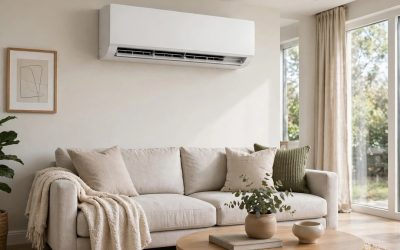
- Several rooms without ducts: an inverter ductless mini split.
- Whole-house cooling: a high-SEER2 central system with a variable-speed air handler.
- Heating and cooling: a heat pump that does both with one efficient system.
- Temporary cooling: a dual-hose portable model, which tends to waste less air than single-hose designs.
Understand the Ratings
Efficiency ratings tell you how much cooling you get for the electricity you use. SEER2 is the seasonal rating for central and split systems, while CEER is used for room units. Higher numbers indicate better efficiency. Energy Star identifies models that meet stricter requirements, which is a handy starting filter. Compare ratings within the same category, since a portable unit and a mini split are measured differently and perform differently in practice.
Do not forget that a high rating is only realized when the unit is the right size and installed properly. A very efficient oversized unit can still waste energy through short cycling.
Why Inverter Technology Helps
Traditional compressors turn fully on and off. Inverter compressors vary their speed to match the load, which avoids frequent startups and holds temperature more steadily. They are also generally quieter and handle humidity better. Variable-speed fans and electronically controlled expansion valves add further efficiency in better systems.
Sizing and Placement
Capacity is expressed in BTUs per hour or tons. Start with floor area, then adjust for ceiling height, windows, insulation and sun exposure. For central systems, ask a contractor for a proper load calculation rather than copying the old size.
| Situation | Sizing guidance |
|---|---|
| Well-insulated, shaded room | Lean toward the lower end |
| Top-floor or attic room | Allow extra capacity |
| Open-plan living spaces | Consider the combined volume |
| Rooms with many electronics | Account for added heat |
Installation and Airflow
Installation quality has a large effect on real-world efficiency. Refrigerant charge, airflow and drainage must all be right, and leaky ducts can waste a significant share of cooled air before it reaches the room. For window units, tight sealing around the frame keeps hot air out. Place outdoor units where air can circulate freely and avoid enclosing them in tight spaces.
Maintenance Habits That Protect Efficiency
- Clean or replace filters regularly, as clogged filters restrict airflow.
- Keep the outdoor coil free of leaves, grass clippings and debris.
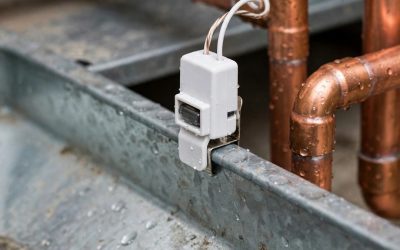
- Check the condensate drain for clogs.
- Schedule an annual professional inspection for split and central systems.
Common Mistakes to Avoid
- Choosing a rating without checking whether the capacity fits the room.
- Ignoring duct leakage in central systems.
- Setting the thermostat very low, which makes the system run longer.
- Letting dirt accumulate on coils and filters.
- Comparing ratings between different equipment types as if they were equivalent.
Smart Ways to Compare Models Side by Side
Build a simple comparison sheet with a few columns: capacity, efficiency rating, rated power draw, sound level, warranty length and special features. Put two or three finalists next to each other and look for meaningful differences instead of marketing phrases. If one model has a clearly higher rating but costs more, think about how many hours per year you will run it. A bedroom unit used a few hours each night may not justify a premium, while a living area unit used daily likely will. Also check that replacement filters or parts are easy to find, since a model that is hard to maintain tends to lose efficiency over time.
Finally, read the installation manual before purchasing. It often lists clearance requirements, electrical needs and window or wall limits that can rule a model in or out immediately.
When to Consider Replacing an Older Unit
Older air conditioners often use more electricity for the same cooling as current designs. If your unit is many years old, needs frequent repairs, struggles on hot days or has a refrigerant that is being phased out, replacement may be sensible. Ask a technician for an honest assessment of the remaining life and likely repair costs. If the unit works well and is maintained, simple measures such as cleaning coils, improving insulation and shading windows may deliver savings without a full replacement. Compare both paths before you commit.
A Note on Rebates and Incentives
Some utilities and local programs offer incentives for efficient equipment, and the rules about eligible models and installers change regularly. Check the program’s own website before you buy, and keep documentation such as receipts and model numbers. Do not assume an incentive applies just because a retailer mentions it.
Frequently Asked Questions
What is a good SEER2 rating?
Minimum required ratings vary by region and system type. Higher is better, but check the incremental benefit against how many hours you run the system.
Does Energy Star guarantee the lowest running cost?
It indicates that the model meets efficiency requirements, but actual costs depend on size, climate, usage and electricity rates.
Are mini splits more efficient than window units?
Many inverter mini splits reach higher efficiency ratings than typical window units, though a well-chosen window unit can be economical for a single small room.
Can smart thermostats help?
They can reduce wasted cooling by adjusting temperatures to your schedule, though savings depend on your habits.
Final Thoughts
Energy efficiency is a combination of a good rating, right-sized capacity, solid installation and consistent maintenance. Choose inverter technology where you can, seal and shade the house, and your cooling bills should stay more manageable.




Write Your Review
No reviews yet. Be the first to share your experience!