
Dryer vent code inspection checklist protocols ensure home ventilation systems operate safely without hazardous lint buildup. Property owners must evaluate duct materials, length limits, and exterior dampers to meet safety standards. Following this essential review prevents house fires and improves overall dryer efficiency.
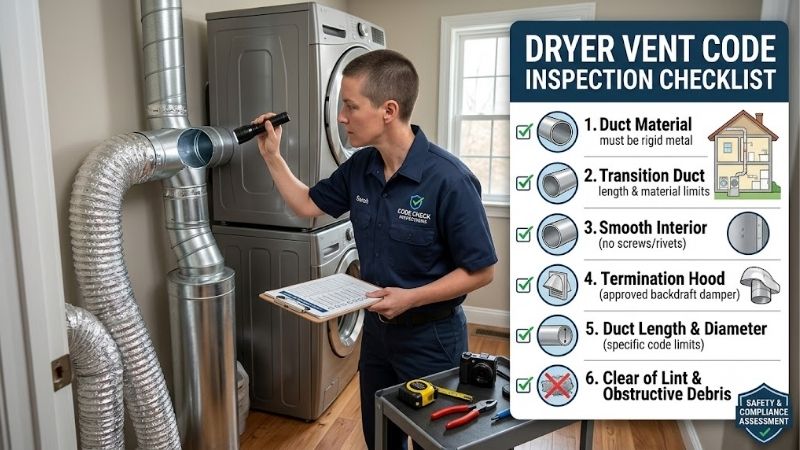
How to Choose the Right Dryer Vent Code Inspection Checklist
A dryer vent code inspection checklist guides homeowners through critical structural criteria established by residential building authorities. Selecting the right assessment steps ensures proper airflow while reducing thermal hazards behind laundry units. Use this systematic evaluation approach for IRC M1502 guidelines.
Verify Duct Material and Fire Safety Standards
Inspecting material composition remains the first phase of any dryer vent code inspection checklist process. Inspectors must confirm that the exhaust line utilizes a smooth rigid metal duct rather than plastic flexible hoses. Using smooth metallic piping minimizes internal air turbulence and prevents trapped flammable debris.
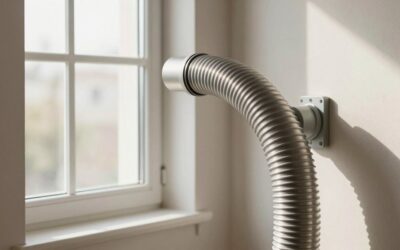
Semi-rigid metal connectors are acceptable only for the short transition duct bridging the appliance to the wall outlet. These flexible connections cannot pass through walls or concealed floor cavities under residential codes. Confirming proper material compliance reduces heat retention and maintains long-term exhaust safety.
Check Maximum Duct Length and Wall Clearance
Determining overall exhaust path length forms a core requirement on every residential inspection audit sheet. Standard codes state that the maximum duct length should not exceed 35 feet from the dryer location to the outdoor exit hood. Deduct five feet for every 90-degree elbow fitting installed along the exhaust run.
Maintaining an adequate vent clearance prevents dangerous thermal buildup near combustible framing materials during operation. Inspectors measure wall distances to confirm piping is uncompressed and free from sharp mechanical crimps. Proper spacing guarantees unrestricted airflow delivery throughout prolonged drying cycles.
Inspect Exterior Termination and Backdraft Dampers
Evaluating the outside termination cap completes the mechanical review of your residential ventilation setup. The wall vent hood must feature a self-closing flap that opens freely during operation and closes tightly when idle. This protective barrier stops pest intrusion while allowing moist exhaust air to exit smoothly.
Every exterior termination cap must feature a functional backdraft damper to block cold draft infiltration effectively. Inspectors should verify that protective screens or protective cages are omitted from the exhaust cap opening. Fine mesh screens trap airborne fibers quickly, creating severe blockage hazards near wall exits.
Top Picks for Dryer Vent Inspection Equipment
Using reliable tools alongside your dryer vent code inspection checklist simplifies residential compliance evaluations. We reviewed top-rated maintenance instruments, magnetic connectors, and airflow sensors on Amazon for home utility spaces. The following field-tested options deliver superior safety and maintenance results.
Holikme 30 Feet Dryer Vent Cleaner Kit
Designed for homeowners needing long-reach maintenance gear, this flexible rod system excels at clearing dense lint accumulation. The durable nylon brush heads attached to rotary drill rods scrub internal metal walls without causing structural gouges. Lightweight components make overhead duct maintenance manageable for solo users.
Operating the drill attachments requires careful clockwise rotation to prevent rod unscrewing inside deep duct channels. Despite requiring manual dexterity during assembly, its aggressive cleaning action restores proper velocity quickly. This affordable cleaning tool provides high value for routine residential vent care.
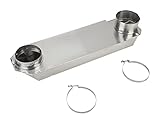
MagVent MV-180 Magnetic Dryer Vent Coupling
Ideal for tight laundry closets where space is restricted, this magnetic coupling supports strict fire safety compliance. Self-aligning magnetic rings form a tight seal without crushing fragile transition hoses behind the machine. High-grade materials resist elevated exhaust temperatures during heavy residential drying cycles.
Initial installation requires precise mounting alignment on the floor or wall duct opening for optimal results. However, the quick disconnect feature streamlines yearly inspection access and prevents hidden duct crushing completely. It remains a top upgrade for modern laundry room installations facing tight wall gaps.
Builder’s Best Galvanized Steel Vent Hood
Tailored for exterior wall terminations, this heavy-duty steel cap aligns perfectly with building code compliance standards. Its wide mouth louvered structure enables maximum exhaust discharge while keeping outdoor elements away. Galvanized coating shields the outer metal against rust and weather deterioration over many years.
The steel housing feels slightly rigid during initial wall fitting, requiring precise outdoor mounting hardware for installation. Nevertheless, its screenless design prevents fibrous clogs while maintaining smooth draft protection. Homeowners gain a dependable, code-compliant exterior hood built for long operational durability.
Proster Digital Handheld Anemometer Meter
Perfect for inspectors evaluating exhaust velocity, this digital wind speed meter measures total airflow output accurately. It helps verify whether duct runs exceed maximum duct length parameters by detecting velocity drops at exterior vents. Clear backlit LCD screens display real-time air speed measurements during field checks.
Navigating multi-function buttons takes brief practice during initial setup, but reading accuracy remains exceptionally high. The compact handheld frame fits easily inside inspector tool bags for effortless site mobility. It provides quantifiable proof that your home exhaust line maintains adequate venting pressure.
Imperial 4-Inch Rigid Metal Duct Pipe
Engineered for wall cavity runs, this 4-inch galvanized pipe meets all requirements for a smooth rigid metal duct. Smooth interior walls minimize airflow friction, letting moisture and lint travel outside without internal obstruction. Pre-crimped ends allow fast connection between multiple straight sections during home build projects.
Handling sharp metal edges demands protective work gloves during cutting and assembly inside wall framing. However, its non-combustible construction offers unmatched structural integrity and code safety compared to flexible options. It serves as the gold standard material for permanent residential exhaust installations.
| Equipment / Tool Name | Primary Function | Core Code Benefit | Best Suited For |
|---|---|---|---|
| Holikme 30 Ft Cleaning Kit | Internal lint removal | Prevents duct obstruction | Annual home maintenance |
| MagVent MV-180 Coupling | Magnetic duct attachment | Prevents hose crushing | Tight laundry closet gaps |
| Builder’s Best Steel Hood | Exterior wall termination | Screenless louvered protection | Outdoor vent replacement |
| Proster Digital Anemometer | Airflow velocity testing | Verifies CFM discharge rate | Performance audit checks |
| Imperial 4-Inch Rigid Pipe | Main wall duct conduit | Non-combustible smooth pipe | Permanent wall installations |
Frequently Asked Questions
Reviewing a dryer vent code inspection checklist raises frequent technical questions regarding residential safety rules. Understanding maximum distance limits, connector materials, and inspection frequencies helps maintain code compliance over time. Below are clear expert answers to common home venting compliance inquiries.
What is the maximum allowed dryer vent length?
Standard residential building codes specify a maximum developed duct length of 35 feet from dryer to termination hood. Every 90-degree elbow reduces this allowable distance by five feet, while 45-degree bends reduce it by two and a half feet. Following these IRC M1502 guidelines prevents dangerous pressure drops.
Consulting your dryer vent code inspection checklist ensures duct runs stay within manufacturer specifications during home remodels. Longer runs require dedicated power-ventilated exhaust booster fans to maintain adequate velocity. Accurate measurements protect heating elements from overheating due to excessive backpressure.
Are plastic flex hoses compliant with building codes?
Plastic flexible hoses fail residential safety inspections because their ribbed interiors catch lint and melt under extreme heat. Codes strictly mandate metal piping for all concealed wall runs to reduce residential fire hazards. Transition duct connectors made of UL 2158A metal foil are restricted to visible appliance spaces.
Replacing vinyl or foil accordions with rigid galvanized metal tubing dramatically improves home safety and drying performance. Rigid piping maintains smooth interior surfaces that prevent debris accumulation over years of daily operation. Upgrading non-compliant flexible hoses remains a top priority during property sales.
How often should dryer vents be inspected for safety?
Safety experts recommend performing a thorough exhaust inspection at least once every twelve months in standard single-family homes. Larger households processing multiple laundry loads daily should conduct visual checks every six months to prevent severe lint accumulation. Regular audits identify early mechanical blockages.
Applying a dryer vent code inspection checklist helps detect extended drying times, burning odors, or hot laundry cabinets early. Inspecting exterior dampers ensures flaps swing freely without mechanical binding or debris buildup. Scheduled maintenance prolongs appliance life while maintaining complete residential code compliance.
Can screws be used to join dryer vent pipe sections?
Sheet metal screws must never extend into the interior air path when connecting dryer exhaust pipe sections together. Screw threads protruding inside the pipe snag floating lint particles, creating dense obstructions over time. Building code compliance mandates using aluminum foil tape approved for high-heat venting.
Technicians align duct joints smoothly in the direction of airflow and secure seams using heavy-duty metallic tape. Avoid duct tape or rubberized adhesives that degrade and dry out under continuous thermal expansion cycles. Clean mechanical joints ensure uninterrupted exhaust passage from the laundry room to the outside.
Final Thoughts
Executing a systematic dryer vent code inspection checklist safeguards your property against dangerous lint fires while maximizing drying efficiency. Verifying smooth rigid piping, proper clearance, and clean termination hoods ensures long-term fire safety compliance. Maintain your utility setup regularly for safe performance.
As an Amazon Associate we earn from qualifying purchases at no extra cost to you.


#3 Pick





Write Your Review
No reviews yet. Be the first to share your experience!