
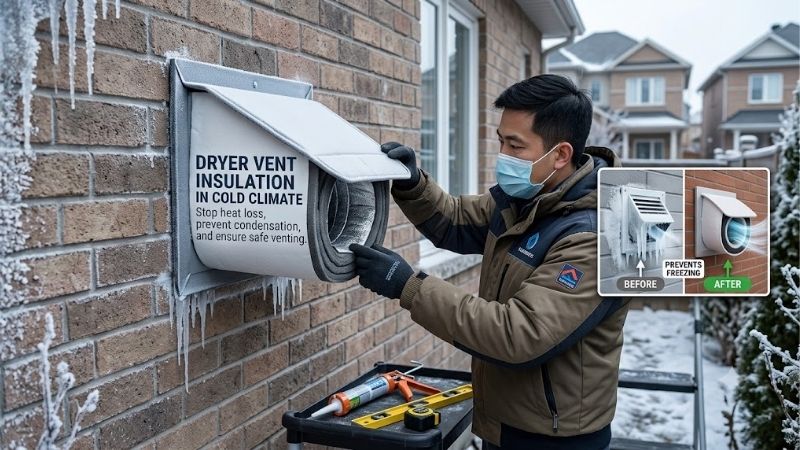
Dryer vent insulation in cold climate areas prevents freezing draft backflow and protects your home from costly heat loss during winter. Without proper thermal protection, icy air travels back through rigid metal pipes, creating moisture buildup inside walls. Investing in quality seals keeps your laundry room warm and efficient.
How to Choose the Right Dryer Vent Insulation in Cold Climate
Selecting dryer vent insulation in cold climate regions requires balancing heavy thermal protection with unobstructed airflow. A well-designed draft blocker stops freezing gusts from entering unconditioned wall gaps. You must evaluate climate severity, duct length, and external cap design before making a final purchasing choice.
Thermal Resistance and Material Quality
High-density foil wrap or cotton sleeving helps maintain consistent duct temperatures when winter outdoor temperatures drop below freezing weather points. Non-flammable materials wrapped around uninsulated rigid pipes eliminate thermal bridges across crawlspaces. Premium insulation keeps warm exhaust moving smoothly without cooling down too fast.
Proper sleeve thickness ensures heat stays contained inside the ductwork until air exits through the exterior wall cap. Thin plastic coverings often crack when sub-zero wind hits outer walls, leading to cold leaks. Choosing heavy foil-faced fiberglass or dense cotton sleeves guarantees long-lasting winter durability.
Air Sealing and Backdraft Dampers
A gravity-assisted backdraft flap creates an airtight seal whenever your clothes dryer pauses operation. Strong winter gusts can force freezing air directly backward into your laundry room without a responsive flap. Quality inline dampers prevent unwanted cold airflow while opening effortlessly under normal exhaust pressure.
To prevent condensation from developing inside concealed metal runs, backdraft dampers must seal tightly against outdoor wind. Rubberized gaskets or weighted plastic louvers reduce draft penetration significantly. Combining tight mechanical dampers with outer wraps ensures total environmental protection against icy drafts.
Condensation Control and Moisture Defense
When hot humid exhaust mixes with uninsulated metal exposed to sub-freezing air, heavy moisture rapidly accumulates inside the ductwork. Over time, dripping water stains drywall and fosters hidden mold growth behind laundry appliances. Installing thermal insulation wraps eliminates temp drop differentials across pipe walls.
Effective condensation control keeps lint dry so it does not clump together into thick airflow blockages. Clumped wet lint presents a serious fire risk and restricts appliance efficiency during winter months. Maintaining warm interior duct surface temperatures allows moist vapor to vent completely out into the open air.
Ease of Installation and Outer Durability
Upgrading your home efficiency requires easy-to-install components that fit standard four-inch metal dryer ductwork. Flexible insulation sleeves slide over rigid pipe quickly, while magnetic couplings simplify tight wall attachments. High energy efficiency upgrades should require minimal specialized tools or professional help.
Exterior wall components must feature UV-resistant, impact-grade plastics or heavy powder-coated steel to withstand ice storms. Flimsy exterior hoods break under heavy snow loads, letting freezing rain enter the exhaust line. Investing in robust exterior housing guarantees multi-year weatherproofing against harsh cold elements.
Top Picks for Cold Climate Dryer Venting
Selecting top dryer vent insulation in cold climate systems involves choosing field-tested products designed to block icy wind. The following picks feature superior thermal sleeves, backdraft dampers, and tight magnetic seals. These options ensure reliable moisture control and peak performance throughout cold sub-zero winters.
| Product Name | Type | Key Feature | Best For |
|---|---|---|---|
| Heartland Natural Vent Closure | Exterior Floating Cap | Gravity cup backdraft damper | Extreme Wind & Critters |
| Deflecto BD04 Draft Blocker | Inline Flap Damper | Calcium-filled polypropylene | Budget Draft Prevention |
| Frost King CF55 Foil Duct Wrap | Foil/Cotton Sleeve | R-value thermal protection | Attic & Crawlspace Runs |
| MagVent MV-180 Magnetic Vent | Magnetic Coupling | Auto-aligning air seal | Tight Laundry Spaces |
| Imperial VT0729 Exhaust Vent Cap | Powder-Coated Steel Cap | Steel backdraft damper hood | Severe Winter Weather |
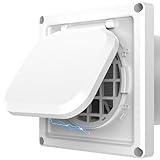
Heartland Natural Energy Saving Dryer Vent Closure
Ideal for homeowners facing strong outdoor winds, this exterior vent hood uses a floating cup design to create a backdraft damper seal when idle. As air flows, the internal cup rises smoothly to release exhaust and drops shut when finished. It effectively stops arctic air blasts from penetrating your home exterior walls.
While the plastic housing is paintable and durable, lint must be cleaned periodically from the base cylinder to ensure smooth movement. If neglected, heavy lint buildup can cause the floating cup to stick open in sub-zero conditions. Overall, it provides exceptional energy savings and pest protection for icy winters.
Deflecto BD04 Plastic Dryer Vent Draft Blocker
Designed for simple inline installation, this four-inch damper connects directly into rigid ductwork to serve as an internal draft blocker. Its weighted gravity flap opens under dryer pressure and shuts tightly when the cycle ends. It is an affordable solution to stop cold air migration into your main living quarters.
Because the internal flap is made of lightweight plastic, extremely high wind gusts may occasionally cause faint rattling sounds. Mounting hardware and hose clamps are not included in the package, requiring separate purchase. Despite this, it remains an effective budget-friendly option to seal exposed metal pipes.
Frost King CF55 Foil-Backed Duct Wrap Insulation
Perfect for unconditioned basements and cold attic duct runs, this foil-backed wrap provides an external duct sleeve layer around metal pipes. The dense natural cotton backing insulates hot exhaust gases, preventing interior pipe condensation. It keeps thermal energy contained so moisture vents fully outdoors.
Installation requires wrapping the material firmly around standard four-inch pipes and securing all seams with heavy foil HVAC tape. It does not include built-in adhesive backing, so extra tape is mandatory during setup. It is an outstanding choice for eliminating condensation drips on long uninsulated pipe runs.
MagVent MV-180 Magnetic Dryer Vent Coupling
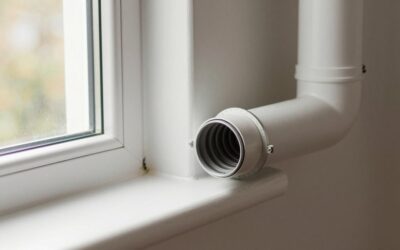
Engineered for tight laundry closets, this heavy-duty magnetic coupling snaps self-aligning duct sections together to deliver a leak-free air seal. Strong neodymium magnets pull the vent firmly into place behind your machine, preventing crushed flexible hoses that trap moist air and freeze during cold snaps.
This premium magnetic coupling carries a higher initial price tag than basic plastic connectors, making it an investment upgrade. Precise measurement during initial wall installation is necessary to ensure proper magnet alignment. Nonetheless, its airtight connection completely eliminates room draft leaks behind machines.
Imperial VT0729 Heavy Duty Exhaust Dryer Vent Cap
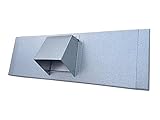
Constructed from heavy powder-coated steel, this exterior vent hood cap withstands harsh winter weather without cracking under freezing frost. The integrated damper hood opens smoothly for exhaust discharge while shutting tight against freezing northern winds. It offers maximum durability for homes exposed to ice and snow.
The sturdy metal housing is slightly heavier than plastic alternatives, requiring careful masonry anchor fastening into exterior siding. It does not include an internal lint screen due to dryer vent safety codes, so regular flap checks are recommended. It provides unmatched weather defense for freezing climates.
Frequently Asked Questions
Addressing common concerns about dryer vent insulation in cold climate settings helps keep your home safe and warm. Below are direct answers to frequently asked questions regarding backdraft dampers, duct condensation, and winter maintenance routines. Learn how to optimize your system before freezing temperatures arrive.
Why does dryer vent insulation in cold climate areas matter in winter?
Without proper thermal protection, icy air flows backward through metal vents directly into your laundry room. Installing a quality draft blocker stops freezing drafts from chilling your floorboards and increasing heating bills. It creates a protective thermal barrier that maintains indoor room comfort through winter.
Insulation also prevents metal duct surfaces from becoming sub-zero cold while the clothes dryer operates. Warm exhaust air touching frozen metal rapidly converts into liquid water inside the pipe. Proper wrapping maintains warm duct walls, ensuring exhaust moisture stays vaporized until exiting your residence.
Can freezing weather cause moisture buildup inside the duct?
Yes, extreme freezing temperatures cause warm, moist dryer air to condense rapidly on uninsulated metal walls. Water pools inside sagging duct sections, creating damp environments where mold thrives. In severe conditions, pooled water can freeze solid, completely blocking exhaust airflow and creating fire hazards.
Applying thick foil-faced insulation sleeves along cold attic or crawlspace duct runs solves this issue completely. Keeping the duct interior warm prevents vapor from liquefying before reaching the outside vent cap. Regular inspection ensures condensation never compromises home insulation or appliance performance.
Is an inline draft blocker necessary for cold climates?
An inline draft blocker provides a vital secondary defense when exterior vent louvers freeze open or flex under wind. Positioned inside your home, the spring or gravity damper remains warm and functional, blocking arctic drafts immediately. It is essential for homes facing direct wind exposure during winter months.
Combining an inline damper with an exterior floating vent hood ensures double protection against cold air infiltration. This dual-seal setup prevents wind gusts from pushing chilly drafts past your laundry room wall. It is one of the most cost-effective winterization steps a homeowner can complete.
How often should insulated dryer ducting be inspected?
You should inspect your insulated dryer vent system at least twice a year, ideally before and after winter. Check exterior wall caps for ice buildup or crushed louver flaps that prevent smooth damper operation. Clean away any accumulated lint around backdraft seals to ensure tight closure after every laundry load.
Inspect internal insulation sleeves to ensure tape seams remain sealed and free from moisture degradation. Ensure the flexible or rigid pipe has not sagged or accumulated heavy lint deposits inside. Proper semi-annual maintenance guarantees maximum efficiency, fire safety, and reliable winter heat retention.
Final Thoughts
Upgrading your dryer vent insulation in cold climate settings protects your home from freezing drafts, hidden moisture damage, and high heating bills. Installing quality backdraft dampers and thermal sleeves ensures a comfortable laundry room all winter long. Take action today to seal your system before winter chills set in.
As an Amazon Associate we earn from qualifying purchases at no extra cost to you.











Write Your Review
No reviews yet. Be the first to share your experience!