
Choosing between a flexible dryer vent hose and rigid metal is less about picking the cheapest tube and more about solving the route from your dryer to the exterior wall. A short, straight connection may favor rigid metal, while a cramped laundry closet may require some flexibility. The decision affects installation time, lint buildup, drying performance, cleaning, noise, and long-term fire safety.
Most household dryers use a 4-inch vent connection, but the required vent path varies. Before buying, measure the distance, count the bends, check the wall opening, and read your dryer and local building-code requirements. A 6-inch or 12-inch ruler can help measure tight clearances and outlet locations; for example, PEC Tools offers a 6-inch/150mm metal ruler for $10.99 and a 12-inch/300mm model for $27.99. The goal is a smooth, secure route with as little length and as few turns as possible.
As an Amazon Associate we earn from qualifying purchases at no extra cost to you.


Quick Verdict
Rigid metal is usually the better permanent choice. It has a smooth interior, resists crushing, and typically allows air and lint to move more freely than accordion-style flexible ducting. It is especially suitable for a straight or gently angled run that will remain accessible for cleaning.
Flexible hose wins when the dryer must slide in and out, the outlet is offset, or the route includes a short, unavoidable transition. It is easier to cut and position, costs less upfront, and can accommodate minor movement. However, flexible duct should be kept short, fully extended, and free of sharp bends. Avoid unlisted plastic or vinyl hose for a clothes dryer; use a product specifically approved for dryer venting and follow the appliance manufacturer’s instructions.
Side by Side
| Factor | Flexible dryer vent hose | Rigid metal duct |
|---|---|---|
| Comfort of installation | Easy to cut, bend, and connect in cramped spaces | More measuring and fitting; elbows and snips may be needed |
| Durability | Can tear, kink, sag, or be crushed behind the dryer | Strong, stable, and resistant to ordinary movement |
| Typical price range | About $9–$25 for a short 4-inch section | About $15–$60 or more for duct, elbows, and fittings |
| Maintenance | More likely to collect lint in ridges; inspect and clean carefully | Smoother interior is generally easier to brush and inspect |
| Space needed | Needs room to avoid kinks and allow a gradual bend | Needs accurate clearance for fixed pipe and elbows |
| Look | Utilitarian, ribbed, and often visible behind the appliance | Neater, more finished appearance when exposed |
| Resale appeal | Acceptable when properly installed, but rarely a selling point | Signals a more permanent, carefully finished installation |
| Best for | Short transitions, rentals, offsets, and tight layouts | Permanent homes, straight runs, and maximum airflow |
Where Flexible Dryer Vent Hose Wins
Flexible ducting is the practical answer when a rigid pipe cannot make the final connection without extensive remodeling. A dryer may sit several inches away from the wall outlet, or the outlet may be slightly above, below, or to one side of the appliance. A short flexible transition can absorb that mismatch without requiring a new wall penetration.
It is also easier for renters and apartment dwellers. A 3-foot product such as the Heavy Duty 4" Flexible Dryer Vent Exhaust Duct Hose, priced at $8.99, can provide a low-cost short connection when its labeling and the dryer manufacturer permit that use. An 8-foot option such as the TEAIERXY 4 Inch 8FT Dryer Vent Hose, priced at $8.99, may cover a longer route, but extra length should not automatically be used. Excess hose must not be loosely coiled behind the dryer, where it can collapse and trap lint.
Flexible hose is particularly useful during service. If the dryer needs to be pulled forward for cleaning, a flexible transition can move with it more easily than a fixed assembly. That convenience matters in a narrow laundry closet, but it does not eliminate the need to disconnect power or gas safely and inspect the vent regularly.
When using flexible duct, fully extend the hose rather than leaving compressed folds. Keep the path as straight as possible, support it so it does not sag, and use appropriately sized clamps or manufacturer-approved connectors. Do not use ordinary sheet-metal screws that protrude into the duct; they can catch lint. Seal approved joints according to the installation instructions, and never cover the hose with insulation unless the product is specifically designed and approved for that application.
Where Rigid Metal Wins
Rigid metal is the strongest choice for a permanent vent path. Galvanized steel or aluminum duct has a smooth internal surface that presents fewer places for lint to lodge than the ridges of accordion-style hose. It also keeps its shape behind a heavy dryer, reducing the chance that the appliance will compress the vent when pushed toward the wall.
The airflow advantage is most important on longer routes and routes with bends. Dryer manufacturers and local codes commonly specify a maximum equivalent vent length, with elbows counting as additional length, but the exact limit depends on the appliance and the duct system. A short, smooth run is preferable to a long route made from multiple flexible sections.
Rigid duct also looks more intentional in an exposed laundry area, utility room, or renovated basement. Straight 4-inch sections and purpose-made elbows can create a clean route along a wall or ceiling. The tradeoff is installation effort: you must measure carefully, allow for fittings, cut metal safely, and ensure every joint is aligned and supported.
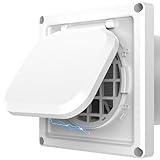
Rigid metal is not maintenance-free. Lint can still accumulate, especially at elbows, the wall cap, or a poorly aligned connection. Plan for periodic cleaning, and check the exterior vent hood to make sure its flap opens fully while the dryer runs. If clothing takes noticeably longer to dry, the dryer or vent becomes unusually hot, or airflow at the exterior is weak, stop and investigate rather than simply adding a stronger hose.
Cost Over 5 Years
The initial price difference can be modest. A basic flexible section may cost approximately $9–$25, while a rigid installation may total $30–$100 after adding straight duct, elbows, clamps, a wall connection, and possibly a termination hood. Professional installation can increase the total substantially, especially if the route requires cutting through a wall or ceiling.
Over five years, the purchase price is only one part of the calculation. Flexible hose may need replacement if it is crushed during cleaning, torn while the dryer is moved, or damaged by heat and repeated handling. A rigid system is more likely to remain usable, although its joints and exterior termination still need inspection.
Energy use is difficult to quantify without measuring the specific dryer, vent length, household load, and maintenance habits. In general, a restricted vent can lengthen drying cycles, and longer cycles can use more electricity or gas. A smooth, short, properly maintained route may therefore offer better operating value even when its installation costs more. Do not treat a product’s low price as proof of suitability; the hose must be correctly sized, approved for dryer use, and installed without kinks.
Which One for Your Home
Small apartment
Choose a short, approved flexible transition when space is tight and the dryer connects to an existing wall outlet. Keep it fully extended and avoid pushing the appliance so close to the wall that the hose flattens. If the building provides a fixed metal connection, do not alter it without permission. Apartment residents should also follow lease rules and any building-maintenance schedule for vent cleaning.
Family with kids or pets
Rigid metal is usually the safer long-term fit because it is less vulnerable to being crushed or pulled out of alignment as the laundry area gets busy. Use a short flexible transition only where movement is necessary, and secure the route so children, pets, baskets, or stored items cannot snag it. Schedule inspections at least annually, or more often if the dryer runs heavily.
Rental
Flexible duct is often the most practical renter-friendly option, particularly when no permanent changes are allowed. Confirm that the hose is intended for dryer ventilation, measure the needed length, and save the original connection hardware. Before moving out, return the vent path to the landlord’s required configuration and report any damaged wall cap or duct.
Long-term home
Invest in rigid metal for the main run whenever the layout allows. It costs more to plan and install, but it creates a durable, serviceable path that is less likely to sag behind the appliance. A short flexible connector at the dryer can still make future servicing easier. Have the route evaluated if it is unusually long, passes through several walls, or requires many elbows.
FAQ
Is flexible dryer hose safe?
It can be safe when it is a listed, dryer-specific product installed exactly as directed. Keep it short and smooth, avoid kinks and compression, and never substitute ordinary plastic or thin non-rated tubing. Local codes and the dryer manufacturer’s instructions take priority.
Can I use flexible hose for the entire vent run?
Sometimes the installation instructions allow it, but a full-length flexible run is generally less desirable than smooth rigid metal. Its ridges, bends, and tendency to sag can increase resistance and provide more surfaces for lint. Use rigid duct for the main route when practical.
How long should a dryer vent hose be?
Use only the length needed to connect the dryer to the exterior termination. A 4-inch hose is standard for many residential dryers, but measure rather than assume. Extra hose should not be folded, coiled, or stuffed behind the machine.
How often should a dryer vent be cleaned?
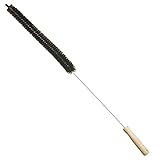
Clean the lint screen after every load and inspect the vent at least once a year. Clean it sooner if drying times increase, the dryer overheats, airflow outside weakens, or the household does frequent laundry. A professional can assess long or difficult-to-reach systems.
Ready to decide? Our #1 pick for 2026 is the Comfort of installation.
Live price & availability on Amazon.





Write Your Review
No reviews yet. Be the first to share your experience!