
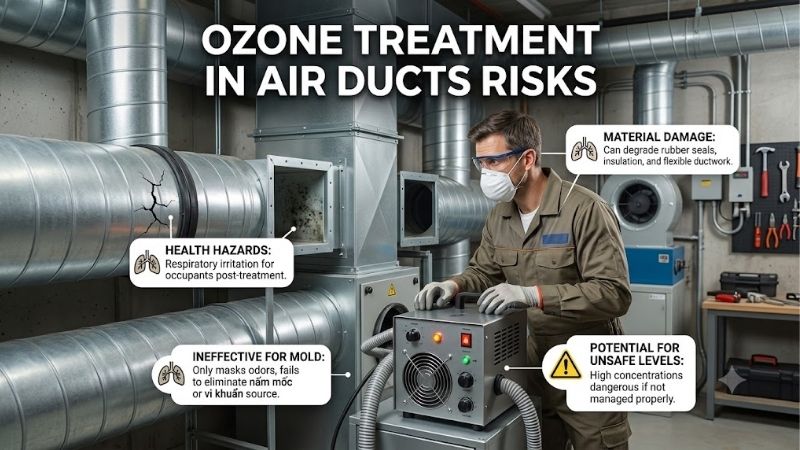
Ozone treatment in air ducts risks severe pulmonary health hazards while damaging sensitive HVAC components. Although some technicians market gas shocking as a quick fix for stubborn mold, high gas levels oxidize rubber seals and corrode metal coils. Homeowners should evaluate ozone treatment in air ducts risks before scheduling services.
How to Choose Safe Solutions and Avoid Ozone Risks
Selecting proper ventilation maintenance requires evaluating safety and long-term HVAC performance. Many homeowners seek clean indoor air quality without exposing their family to hazardous chemical vapors or aggressive gas shocking. You must weigh physical cleaning methods against gas treatments while reviewing manufacturer guidelines carefully.
Prioritize Physical HEPA Vacuuming Over Gas Shocking
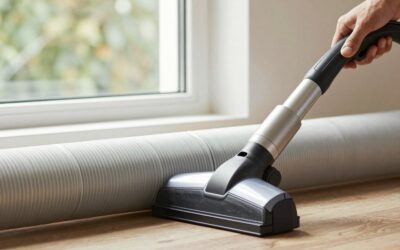
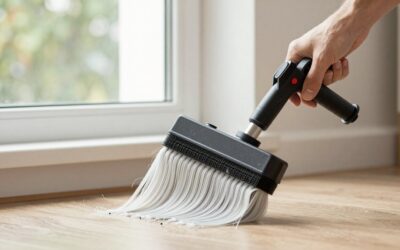
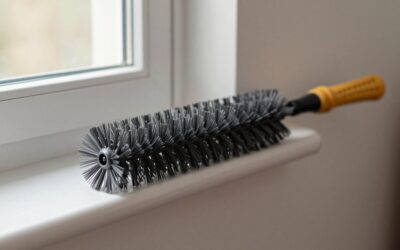
Physical removal of debris and microbial growth provides reliable results without chemical contamination. Rotary brushes paired with high-efficiency vacuum suction pull mold spores directly out of ductwork. This mechanical cleaning method preserves delicate seals while drastically reducing airborne particulate matter across living areas.
Choosing mechanical cleaning prevents HVAC system damage caused by harsh oxidizing agents. Dust and dander settle permanently inside filtration bags rather than dispersing back into your home. Professional technicians using sealed negative pressure systems keep dust contained during the entire restoration process.
Verify EPA and Safety Compliance Guidelines
Regulatory agencies warn that ozone gas levels required to kill mold exceed public safety standards. Federal health guidelines emphasize that gaseous treatments often fail to eliminate embedded surface fungal colonies. Homeowners should check environmental certification before hiring any duct remediation contractor.
Mitigating respiratory irritation requires using treatments that remain non-toxic to living organisms. Verified standards ensure that air purification devices emit zero dangerous byproducts during operation. Following official recommendations protects your family from unsafe exposure levels while ensuring clean ductwork.
Assess Mechanical Compatibility and Material Exposure
Modern heating and cooling systems contain synthetic gaskets, electrical wiring, and flex ducting. High gas exposure rapidly degrades flexible duct linings and weakens structural adhesives inside air handlers. Assessing system materials helps you choose non-corrosive air sanitizing methods that preserve equipment life.
Proper ozone generator safety protocols require removing all living beings and sensitive electronics. Gas molecules react aggressively with natural rubber and synthetic polymers, causing premature cracking. Evaluating physical compatibility before cleaning prevents costly system breakdowns and emergency repairs.
Major Ozone Treatment in Air Ducts Risks Explained
Understanding ozone treatment in air ducts risks helps homeowners avoid severe health and structural hazards. Concentrated ozone gas reacts strongly with both biological tissue and synthetic materials inside your ventilation system. Reviewing these documented dangers ensures you make safer maintenance decisions for your household.
Respiratory Health Hazards and Tissue Damage
Inhaling ozone gas causes immediate chest pain, coughing, shortness of breath, and throat inflammation. High concentrations damage deep lung tissue and worsen chronic conditions like asthma or bronchitis. Vulnerable populations like children and elderly residents face heightened risks during improper ventilation shocking.
Persistent toxic gas exposure damages delicate mucous membranes and weakens pulmonary defense mechanisms. Even after gas dissipates, residual reactions produce secondary volatile organic compounds inside living quarters. Preventing direct exposure protects occupants from severe respiratory distress and long-term illness.
Severe Degradation of HVAC System Components
Ozone acts as a powerful oxidizer that destroys rubber seals, plastic dampers, and copper refrigeration tubing. Over time, oxidized coils leak refrigerant, requiring expensive component replacements and system recharges. Protecting internal mechanics requires avoiding high-concentration gas treatments inside air ducts.
Flexible ductwork lined with fiberglass or plastic disintegrates rapidly when subjected to gas shocking. Damaged duct liners shed synthetic fibers directly into home air streams, causing ongoing pollution. Preserving system structural integrity ensures efficient airflow and lowers long-term repair expenses.
Ineffective Mold and Odor Remediation Outcomes
Gaseous ozone only reacts with surface particles and fails to penetrate thick mold roots within insulation. Fungal spores deep inside porous duct materials survive the treatment and quickly regrow when humidity returns. Relying on gas shocking creates a false sense of security without solving underlying dampness.
Attempting mold remediation hazards by relying solely on ozone often produces noxious chemical byproducts. Ozone reacts with synthetic carpets and furniture to release formaldehyde and secondary aldehydes. Chemical odor masking fails to address moisture sources, allowing persistent mold infestation to continue.
Top Safe Alternatives to Ozone Treatment for Clean Air
Replacing ozone treatment in air ducts risks with proven mechanical purifiers ensures a healthier living space. Safe alternatives sanitize home air continuously without releasing harmful gas byproducts into ductwork. We evaluated top-rated Amazon products designed to maintain pristine indoor air quality safely.
| Alternative Option | Primary Purification Method | Installation Location | Ozone Emission Level |
|---|---|---|---|
| Fresh-Aire UV 24V System | 254 nm UV-C Radiation | Central HVAC Air Handler | Zero Ozone |
| Coway Airmega AP-1512HH | True HEPA & Carbon Filter | Standalone Room Unit | Zero Ozone |
| Honeywell Home UV100A1059 | Germicidal UV-C Light | Coil & Drain Pan Area | Zero Ozone |
Fresh-Aire UV 24V HVAC UV Light Air Purification System
This in-duct UV light system suits homeowners who want continuous, zero-ozone sterilization inside their central HVAC handler. It utilizes targeted 254 nm UV-C radiation to destroy surface mold and bacteria on AC coils. This permanent installation prevents microbial buildup naturally without introducing toxic gas into living areas.
Installation requires minor duct modification and wiring, which may necessitate professional HVAC assistance for beginner DIYers. However, it delivers exceptional long-term defense against organic mold growth while keeping cooling coils efficient. It remains an ideal choice for safe duct cleaning alternatives.
Coway Airmega AP-1512HH Mighty Air Purifier
Designed for medium to large living spaces, this standalone HEPA unit suits families seeking immediate room air scrubbing. Its multi-stage filtration captures 99.97% of airborne particles, including dust, dander, and mold spores. The real-time air quality sensor automatically adjusts fan speed for energy-efficient filtration.
While HEPA air purifiers do not clean inside deep metal ductwork, they effectively trap airborne pollutants circulating through vents. Annual filter replacements add minor recurring maintenance costs over time. Overall, it provides reliable, silent air purification without generating hazardous gas emissions.
Honeywell Home UV100A1059 Ultraviolet Surface Treatment System
This dedicated surface treatment kit is built for homeowners wanting targeted UV sanitization over HVAC drain pans and coils. The powerful ultraviolet lamp continuously neutralizes surface fungi and bacteria inside the furnace. Continuous light operation keeps air handler surfaces clean without producing dangerous chemical ozone.
Users must replace the UV bulb annually, and installation requires basic drilling into sheet metal air ducts. Despite minor upkeep, its robust design prevents organic slime accumulation on indoor cooling coils. It offers dependable antimicrobial protection with complete peace of mind for residential systems.
Frequently Asked Questions
Homeowners often have questions about safety standards, alternative cleaning methods, and health precautions for ventilation systems. Below are concise answers addressing common concerns regarding ozone applications and indoor air management. Review these facts to make informed decisions for your residential HVAC system.
Is Ozone Treatment in Air Ducts Risks Approved by the EPA?
No, the Environmental Protection Agency does not approve ozone generators for use in occupied residential spaces. Official EPA ozone guidelines state that ozone concentrations high enough to kill mold exceed health safety thresholds. Inhaling high ozone levels harms lung tissue and exacerbates respiratory conditions.
Understanding ozone treatment in air ducts risks prevents exposure to harmful chemical reactions inside home ductwork. Professional technicians recommend mechanical HEPA vacuuming and source control rather than applying hazardous gas shocking. Stick to certified non-toxic cleaning methods to keep indoor air clean and safe.
How Long Does Ozone Gas Remain Dangerous in Air Ducts?
Ozone gas typically takes two to four hours to dissipate back into oxygen under normal home ventilation conditions. However, trapped gas pockets inside sealed air ducts can linger significantly longer without active fan circulation. Occupants must remain outside the residence until toxic gas exposure risks drop to zero.
High humidity and stagnant air pockets slow down the natural breakdown process of gas molecules inside duct systems. Running central HVAC blowers with outdoor fresh air intake helps flush out residual gas safely. Never re-enter treated premises prematurely without testing indoor gas concentration levels first.
Can Ozone Treatment in Air Ducts Risks Damage Home Electronics?
Yes, high concentrations of ozone gas degrade sensitive electronic circuits, copper wiring, and synthetic rubber components. Ozone rapidly oxidizes exposed metals, leading to corrosion and component failure inside computers, TVs, and appliances. Protecting home electronics requires avoiding high-dose gas shocks.
Homeowners evaluating ozone treatment in air ducts risks must consider potential property damages alongside health concerns. Delicate circuit boards inside modern HVAC controllers suffer accelerated oxidation when exposed to strong gas concentrations. Safe mechanical air purifiers eliminate this risk entirely.
What Are the Best Non-Toxic Alternatives for Duct Mold?
The most effective non-toxic method combines source moisture control with professional mechanical HEPA vacuum brushing. Removing damp insulation and repairing duct leaks stops fungal growth at the root without chemical sprays. Installing whole-house UV-C lamps provides continuous germicidal defense on wet coils.
Addressing mold remediation hazards requires physically extracting spores rather than attempting chemical suppression. Combining source repair with continuous in-duct UV light treatment keeps ventilation systems clean permanently. Safe mechanical practices ensure long-lasting freshness without chemical hazards.
Final Thoughts
Evaluating ozone treatment in air ducts risks reveals that gas shocking creates severe health and material hazards without providing lasting duct cleanliness. Relying on mechanical HEPA vacuuming and in-duct UV lights protects your family from toxic gas exposure while preserving your HVAC investment. Choose certified safe solutions.
As an Amazon Associate we earn from qualifying purchases at no extra cost to you.

#1 Pick





Write Your Review
No reviews yet. Be the first to share your experience!