
Rigid vs flexible dryer vent duct selections determine home safety, energy bills, and laundry efficiency. Choosing between solid metal pipes and pliable foil hoses impacts long-term fire prevention and machine performance. Property owners must evaluate material durability and installation constraints to select the right setup for their homes.
How to Choose the Right Rigid vs Flexible Dryer Vent Duct
Evaluating rigid vs flexible dryer vent duct options is essential for establishing an effective dryer exhaust system. Homeowners need to balance installation flexibility against durability to ensure laundry appliances operate efficiently every day.
Evaluating Fire Safety and Thermal Resistance
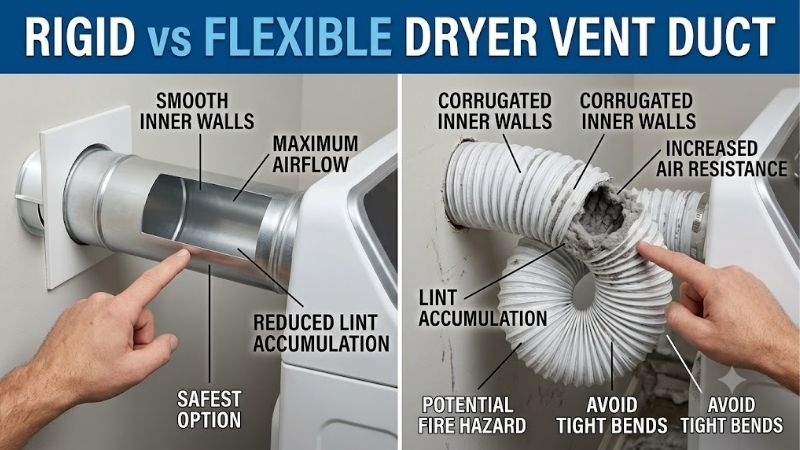
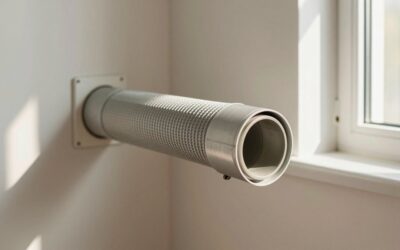
Prioritizing fire safety standards requires selecting materials capable of handling intense laundry exhaust heat. Solid metal pipes feature smooth interior surfaces that block heat transfer and resist structural melting. Choosing heavy aluminum or galvanized steel construction minimizes thermal risks inside hidden residential wall spaces.
Conversely, thin plastic or foil hoses collapse easily when exposed to elevated operating temperatures over time. Scorching exhaust air can degrade flimsy materials, creating dangerous fire hazards behind laundry units. Investing in heavy metal tubing ensures lasting thermal protection across demanding high-heat drying cycles.
Analyzing Lint Accumulation and Maintenance
Smooth interior walls inside rigid pipes minimize lint accumulation by letting moist air pass without obstruction. Unrestricted airflow keeps dangerous debris moving cleanly toward outdoor vent hoods. Selecting non-corrugated metal surfaces reduces routine cleaning frequency while preserving high appliance operating efficiency.
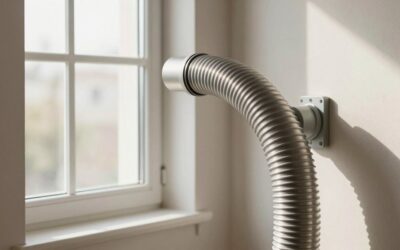
Flexible corrugated tubing features internal ridges that catch airborne fibers, forming thick clogs rapidly. Dense lint buildup restricts ventilation, forcing heating elements to work harder and increasing fire risks. Selecting smooth rigid channels prevents internal snagging, ensuring continuous exhaust velocity during usage.
Measuring Airflow Efficiency and Drying Speed
Maximizing airflow efficiency allows laundry appliances to vent hot air quickly, shortening overall drying times noticeably. Solid metal ducts maintain consistent round diameters that eliminate air turbulence along exhaust channels. Rapid moisture removal conserves household electricity while extending appliance operating lifespan.
Excessive bends in flexible hoses create heavy air resistance, causing moisture to settle inside vent lines. Trapped humidity prolongs drying cycles, increasing utility costs and stressing internal motor bearings. Choosing straight rigid pipes maintains optimal velocity, keeping utility bills low and drying performance fast.
Navigating Building Code Compliance and Clearances
Strict building code compliance prohibits plastic or foil hoses within enclosed wall cavities or attic spaces. Modern mechanical codes demand solid metal piping for concealed runs to prevent house fires. Verifying local housing rules protects property values and ensures safety inspection approval during home resale evaluations.
Flexible conduits are generally restricted to short transition lines between the appliance outlet and wall connection. Understanding these municipal limits prevents costly installation re-dos and keeps insurance coverage valid. Installing code-approved materials gives homeowners confidence in their ventilation infrastructure.
Dryer Vent Duct Material Comparison Matrix
| Feature Criteria | Solid Rigid Metal Duct | Semi-Rigid Aluminum Duct | Flexible Foil Hose |
|---|---|---|---|
| Fire Safety Level | Maximum (Code Mandated) | High (Transition Approved) | Low (Non-Compliant) |
| Lint Trapping Risk | Very Low (Smooth Walls) | Low (Minimal Ridges) | High (Deep Corrugation) |
| Airflow Efficiency | Excellent (Zero Friction) | Good (Low Resistance) | Poor (High Friction) |
| Concealed Wall Use | Fully Approved | Not Approved | Prohibited |
| Installation Ease | Moderate (Requires Cutting) | Easy (Custom Bending) | Very Easy (Tool-Free) |
Top Picks for Rigid and Flexible Dryer Vent Tools
Selecting top-rated products clarifies rigid vs flexible dryer vent duct choices for home upgrades. Evaluating durable materials, flexible lengths, and connector fittings helps property owners find ideal venting solutions. The following recommended tools deliver reliable airflow, easy installation, and strong safety performance.
Builder’s Best BDB110050 Semi-Rigid Dryer Vent Kit
Designed for home laundry upgrades, this semi-rigid metal duct kit provides smooth airflow with moderate bendability. Its durable aluminum construction resists crushing while offering far greater fire protection than foil hoses. Included 90-degree close elbows allow neat installations in tight rear laundry closet spaces.
Expanding the semi-rigid pipe requires careful manual handling to avoid accidental crimping along metal seams. Nevertheless, its sturdy aluminum design, complete elbow fittings, and code-compliant construction make it an exceptional choice for homeowners seeking balanced flexibility and reliable thermal safety.
Lambro 229 4×2 Aluminum Rigid Duct Pipe
Ideal for permanent wall installations, this rigid aluminum dryer hose replacement delivers maximum fire safety and unrestricted airflow. Its perfectly smooth interior surface prevents lint buildup, ensuring fast appliance drying times. Heavy metal construction meets strict building codes for concealed venting runs.
Installing rigid metal piping requires precise measuring and cutting with tin snips during custom fitting. Despite the extra installation effort, its rust-resistant metal build, zero-lint interior, and permanent durability make it the ultimate investment for long-term home safety and optimal appliance efficiency.
Whirlpool 4396037RP Telescope Dryer Vent Periscope
Engineered for tight laundry closets, this rigid metal transition duct adjusts smoothly between zero and eighteen inches. Its space-saving rectangular design lets dryers sit just two inches from rear walls without crushing ventilation pathways. Smooth aluminum walls maintain strong airflow in restricted spaces.
Adjusting the sliding periscope sections requires foil tape sealing along joints to prevent air leaks completely. However, its compact metal frame, excellent wall clearance, and sturdy aluminum build make it an indispensable solution for tight laundry room setups where standard round duct pipes cannot fit.
iPower 4 Inch 8 Feet Flexible Aluminum Ducting
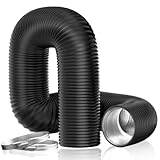
Tailored for quick surface connections, this multi-layer flexible hose simplifies ducting installation around awkward laundry room obstacles. Its four-layer structure combines aluminum foil and PVC to resist tear damage and heat degradation. Included steel screw clamps secure tight connections to appliance outlets.
Because corrugated foil traps lint faster than smooth pipe, this flexible hose requires more frequent routine cleaning. Still, its pliable design, affordable price tag, and fast tool-free setup make it a practical temporary transition option for accessible, non-enclosed laundry room exhaust connections.
Dundas Jafine UD48S Straight Outlet Periscope
Built for tight spaces needing direct wall clearance, this telescoping metal duct solves rear space constraints effectively. Its smooth rigid aluminum construction optimizes airflow while allowing appliances to slide back close to wall surfaces. Tough metal panels resist accidental crushing during washer movements.
Fitting the rectangular collar onto standard four-inch round outlets can feel snug during initial alignment. Nonetheless, its heavy metal construction, space-saving profile, and smooth internal design deliver reliable performance for tight laundry closets requiring durable rigid aluminum venting.
Frequently Asked Questions
Understanding rigid vs flexible dryer vent duct rules helps homeowners maintain appliance efficiency and safety. The following common questions address material differences, code regulations, and maintenance needs to guide your exhaust upgrade decisions. Clear information ensures proper selection for every home layout.
Is Rigid Duct Better Than Flexible Hose for Dryers?
Solid rigid ducting offers superior performance compared to flexible hose options across every safety and efficiency metric. Smooth interior metal surfaces eliminate lint blockage hazards while maximizing exhaust velocity. Building codes mandate rigid metal pipes for all concealed wall runs to prevent fire hazards.
While flexible hoses offer easier installation around corners, their corrugated walls catch debris and restrict airflow. Flimsy foil materials can crush easily, trapping heat and raising utility bills. Rigid metal pipes provide permanent durability, optimal dryer performance, and maximum fire protection for homes.
Can Flexible Dryer Vents Be Installed Inside Walls?
Installing flexible dryer vents inside enclosed walls violates standard building codes and creates severe safety risks. Corrugated foil or plastic hoses snag lint inside hidden wall cavities, increasing fire danger dramatically. Code regulations require smooth metal venting pipe for all concealed exhaust runs.
Flexible hoses are restricted to short exposed transition connections between the appliance and wall plate. Using rigid metal pipe inside wall structures ensures compliance, prevents crushed air paths, and protects your home against hidden lint fires. Always follow local building codes during installation.
How Often Should Rigid vs Flexible Dryer Vents Be Cleaned?
Comparing rigid vs flexible dryer vent duct maintenance reveals significant differences in cleaning frequency. Flexible corrugated hoses require thorough inspection every six months due to ridge-induced lint trapping. Rigid metal pipes require annual cleaning because their smooth walls allow debris to exit freely.
Regardless of material type, routine vent maintenance prevents airflow restrictions and protects heating elements from overheating. Inspecting outdoor exit hoods regularly ensures dampers open fully during drying cycles. Maintaining clean vent channels preserves appliance health and minimizes household energy consumption.
What Is the Maximum Allowed Length for a Dryer Vent?
Standard building codes limit dryer vent runs to thirty-five feet from appliance connection to outdoor exit termination. Every ninety-degree elbow installed reduces the maximum allowable length by five feet due to air resistance. Evaluating rigid vs flexible dryer vent duct runs requires accounting for bends carefully.
Flexible hoses add significantly more friction than smooth metal pipes, effectively shortening the allowable total distance. Keeping exhaust runs as short and straight as possible ensures rapid moisture removal and prevents lint buildup. Installing rigid metal ducts optimizes airflow across long vent paths.
Final Thoughts
Understanding rigid vs flexible dryer vent duct differences allows property owners to optimize laundry safety and energy efficiency. Choosing heavy rigid metal pipes over flexible hoses protects homes against fire risks and lowers drying times. Evaluating your space constraints ensures you pick the right rigid vs flexible dryer vent duct setup.
As an Amazon Associate we earn from qualifying purchases at no extra cost to you.









Write Your Review
No reviews yet. Be the first to share your experience!