
Small windows are a real constraint, but they do not rule out efficient cooling. Compact window units, slim casement designs, and portable or split alternatives all work, depending on your opening. Start with the exact window measurements, then match capacity and efficiency to the room.
- Quick Picks by Need
- Measure Before You Shop
- Matching Capacity to a Small Room
- Efficiency Features to Compare
- Sealing and Installation
- Noise and Maintenance
- Common Mistakes to Avoid
- Alternatives When the Window Is Too Small
- Checking Electrical and Safety Details
- Ask About Return Policies
- Frequently Asked Questions
- Final Thoughts
Quick Picks by Need
- Narrow double-hung windows: a compact window unit designed for slim openings.
- Casement or slider windows: a vertical or slim-profile model made for those frames.
- Windows too small for any unit: a ductless mini split, which needs only a small wall opening.
- Temporary solutions: a dual-hose portable unit with a window vent kit.
- Heat-sensitive rooms: a low-capacity inverter model for steadier operation.
Measure Before You Shop
Window units list a minimum and maximum opening width and a minimum height. Measure the inside width, the height from sill to the lowest point of the sash, and the depth available inside. Check that the sill can bear the weight, and that there is space to open the window sash around the unit. If your measurements are right at a manufacturer’s lower limit, check the installation instructions before you buy.
Some small windows are too narrow for any standard unit. In those cases, consider a portable unit with an adjustable window kit or a split system that bypasses the window entirely.
Matching Capacity to a Small Room
Small windows often belong to small rooms, which need less cooling capacity. Oversizing wastes energy and can leave the room damp. Match BTUs to floor area, then add some capacity for sun exposure or heat-producing appliances.
| Window type | Typical approach |
|---|---|
| Narrow double-hung | Compact window unit |
| Casement | Casement-specific model or split |
| Slider | Vertical-style or slim unit |
| Fixed or tiny | Split system or portable |
Efficiency Features to Compare
Check the CEER rating and look for Energy Star qualification as a starting point. Prioritize variable fan speeds, an energy saver mode and a timer. Inverter models are less common in very compact window units but are available in some designs. In a small room, even a modest unit running efficiently can keep conditions comfortable.
Sealing and Installation
Sealing is especially important with small windows because the unit often needs extra filler panels or adapters. Use the supplied foam and weatherstripping, and fill any remaining gaps with appropriate insulation. A poor seal lets hot air and insects in and wastes the cooled air you paid for.
- Install with a slight tilt outward so condensate drains outside.
- Use brackets or supports if the manufacturer recommends them.
- Check landlord or building rules before installing.
- Do not block the window’s emergency egress where local rules require it.
Noise and Maintenance
Compact units can be noisy when a fan runs at high speed. Compare the published decibel range and choose a model with multiple fan speeds. For upkeep, wash the filter regularly, clear dust from the coils and keep the drain path open. Store or cover the unit during winter to prevent drafts.
Common Mistakes to Avoid
- Buying without measuring the window width and height.
- Choosing too much capacity for a small room.
- Leaving gaps around adapter panels.
- Forgetting weight limits on the sill.
- Ignoring safety and egress requirements.
Alternatives When the Window Is Too Small
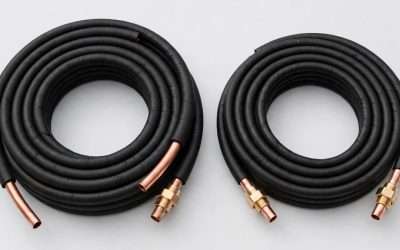
If no unit fits your window, you still have efficient options. A ductless mini split needs only a small hole through the wall for the refrigerant lines, so window size is irrelevant. A portable unit with an adjustable window kit can fit many awkward openings, though it is typically less efficient. A through-the-wall unit can be installed in a new sleeve when the building structure and rules allow it. Weigh the upfront work against the long-term running cost, and ask a qualified installer which method suits your wall construction.
For rentals, check the lease and get written permission before altering walls or windows, and ask whether the building has rules on the type of equipment you may install.
Checking Electrical and Safety Details
Compact units normally plug into a standard outlet, but check the amperage on the label and make sure the circuit is not shared with other heavy appliances such as space heaters. Never use a light-duty extension cord with an air conditioner. Make sure the unit is secured so it cannot fall out of the window, and that curtains and cords do not block the vents. If the window is the room’s emergency exit, check local rules and consider other cooling options so the exit remains usable.
Ask About Return Policies
Because window fit can be tricky, check the seller’s return policy before ordering. Some retailers accept returns only if the unit is unopened or uninstalled. Keep the packaging until you have confirmed that the unit fits, seals well and operates correctly, so you can send it back if needed.
Frequently Asked Questions
Can I install a standard window unit in a small window?
Only if the opening meets the minimum width and height listed for the model. Always compare your measurements to the specifications.
Are slim units less efficient?
Not necessarily. Efficiency depends on the specific model and its rating. Compare CEER values rather than assuming.
What if my window is smaller than any unit?
A ductless mini split or a portable unit with a window kit are common alternatives.
Do I need a bracket?
Many manufacturers recommend support brackets, particularly for heavier units or when the sill is weak. Follow the installation manual.
Final Thoughts
Small windows call for careful measuring and honest sizing. Pick a model built for your window type, check its efficiency rating, seal it well and maintain it, and a small opening can still deliver efficient cooling.







Write Your Review
No reviews yet. Be the first to share your experience!