
Blower wheel cleaning vs duct cleaning represents a vital HVAC maintenance decision for homeowners seeking optimal indoor air quality. Evaluating mechanical airflow components against whole-house ventilation runs ensures targeted system care while preventing wasted money. Understanding distinct dirty furnace fan symptoms optimizes airflow.

How to Choose the Right Blower Wheel Cleaning vs Duct Cleaning
Understanding blower wheel cleaning vs duct cleaning requires evaluating where dust settles inside heating systems. Homeowners must assess fan blades and ductwork to fix an airflow efficiency drop. Analyzing mechanical contamination ensures you purchase proper HVAC tools.
Target Location and Mechanical Components
When choosing between maintenance methods, locating the exact source of dirt remains essential. Cleaning the HVAC blower motor targets the central fan wheel inside the air handler unit. Concentrated grime on curved blades directly slows air movement and strains electrical components continuously.
Conversely, cleaning air ducts focuses on long metal or flexible runs spanning throughout your home structure. While duct lines collect settled dust over years, cleaning them does not fix dirty fan blades. Addressing the central blower first prevents fresh debris from re-entering vents.
System Performance and Airflow Pressure Impact
Heavy buildup on a furnace blower wheel severely reduces total air output across all household vents. Dust accumulation along blade edges destroys aerodynamic lift, forcing systems to run longer to heat or cool rooms. Removing thick grime instantly restores proper static pressure.
In contrast, dirty ductwork creates generalized air friction but rarely reduces total airflow volume unless severe blockages occur. Sweeping long distribution branches improves air cleanliness rather than mechanical blower efficiency. Prioritizing fan cleaning resolves heating issues faster.
Contaminant Distribution and Air Quality Scope
Evaluating whole-house air quality helps determine whether localized or system-wide service is needed. Performing air handler cleaning removes organic buildup trapped near central cooling coils and fans. Eliminating fan mold stops microscopic spores from blowing into every living space.
On the other hand, ductwork cleaning removes accumulated pet hair, dust mites, and debris from branch lines. If your home underwent recent drywall renovation, sweeping main ducts prevents loose dust from circulating. Combining targeted fan care with duct sweeping maximizes freshness.
| Maintenance Feature | Blower Wheel Cleaning | Duct Cleaning Method |
|---|---|---|
| Primary Focus | Air handler fan blades & housing | Supply & return ductwork channels |
| Main Symptom | Reduced vent airflow & high power bills | Excessive dust on furniture & vents |
| Core Cleaning Tool | Foaming coil cleaner & fin brush | Rotary drill brush & vacuum hose |
| Impact on Airflow | High immediate airflow restoration | Moderate airflow friction reduction |
| Recommended Frequency | Every 3 to 5 years | Every 5 to 7 years |
Top Picks
Selecting effective equipment helps homeowners compare blower wheel cleaning vs duct cleaning without paying high contractor fees. The following top-rated Amazon products provide reliable brushes, foaming cleaners, and inspection cameras to maintain your heating and cooling setup safely.
Holikme 30 Feet Duct Cleaning Kit
This versatile rotary duct cleaning kit is ideal for homeowners clearing heavy dust from long ventilation runs. Its flexible nylon rods extend up to thirty feet, attaching to standard power drills to scrub flexible metal pipes quickly. It removes trapped lint and debris without damaging ductwork.
However, the rod connections can unscrew if the drill is operated in reverse during deep duct passes. Despite needing careful clockwise drill operation, this affordable brush kit delivers excellent duct sweeping performance, making it a reliable choice for restoring clean air pathways.
Frost King Foaming Coil and Fan Cleaner
This heavy-duty foaming spray is perfect for dissolving stubborn grease and packed dust on furnace fan blades. The self-rinsing aerosol formula expands deep between tight metal fins, loosening packed dirt without requiring harsh scrubbing that could unbalance delicate blower assemblies.
The chemical foam emits a strong citrus scent that requires good room ventilation during application. Nonetheless, its fast-acting dissolving power makes it an essential maintenance product for restoring airflow efficiency when servicing dirty HVAC blower wheels in residential air handlers.
RectorSeal Clean-N-Safe Evaporator Coil Cleaner
Designed for deep air handler maintenance, this deep-penetrating evaporator coil cleaner safely purges organic grime. Its eco-friendly, non-acidic liquid targets mold and dust on blower housings and cooling coils, restoring proper heat transfer without corroding delicate aluminum fins.
Application requires a separate pump sprayer to apply the liquid diluted mix onto internal components properly. Despite needing basic spraying equipment, its safe bio-degradable formula provides outstanding cleaning power for homeowners performing comprehensive central HVAC tune-ups.
DEPSTECH DS300 Borescope Inspection Camera
This dual-lens borescope inspection camera suits homeowners who want to inspect hidden blower blades and duct branches before cleaning. Featuring a semi-rigid cable and crisp HD display screen, it maneuvers around tight elbow joints to show internal dust levels in real time.
The camera cable stiffness can make navigating tight ninety-degree flexible duct bends slightly challenging. Nevertheless, its high-definition visual feed provides indisputable video proof of internal contamination, helping you decide whether fan cleaning or duct sweeping is necessary.
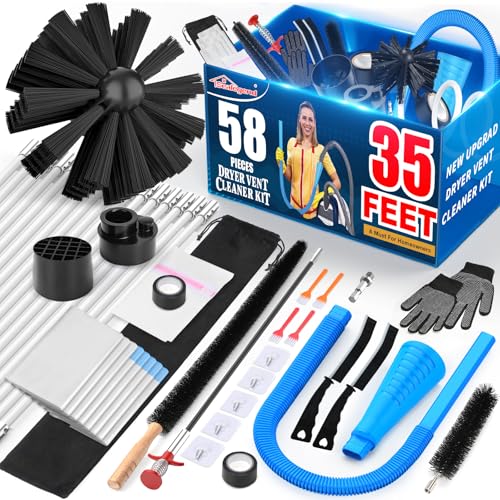
Sealegend Dryer Vent and Duct Cleaner Attachment
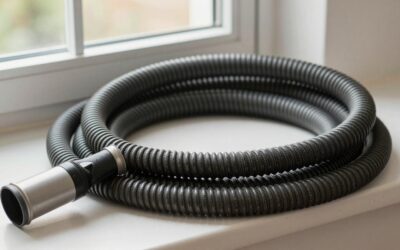
This handy vacuum hose attachment is great for removing localized indoor dust accumulation from return vents and blower housings. Its extra-long flexible guide tube connects to standard vacuum cleaners, reaching tight crevices around furnace motors and register openings effortlessly.
The narrow suction tube can clog occasionally when vacuuming large clumps of pet hair or thick insulation. Despite requiring periodic clearing during heavy sweeps, it remains a budget-friendly tool for maintaining clean return air drops and capturing loose dirt around blower units.
Frequently Asked Questions
Addressing common queries about blower wheel cleaning vs duct cleaning helps homeowners make smart maintenance choices. The answers below clarify performance impacts, service intervals, and odor control steps so you can keep your central heating and cooling system operating efficiently.
Does Cleaning a Blower Wheel Improve HVAC Airflow?
Yes, cleaning a dirty fan wheel dramatically improves airflow velocity throughout your entire home. Packed dust on fan blades alters blade geometry, preventing the wheel from grabbing air efficiently. Clearing blade pockets eliminates a musty HVAC odor and restores original system static pressure.
Restoring proper air delivery also prevents cooling coils from freezing during humid summer months. When blower blades spin freely without caked dirt weight, your blower motor uses less electricity and operates significantly cooler, extending the lifespan of critical heating components.
How Often Should a Blower Wheel Be Cleaned?
Homeowners should inspect and clean the fan wheel every three to five years under normal operating conditions. However, homes with shed-prone pets or frequent dirty filter bypass may require more regular air handler cleaning to prevent heavy dirt buildup from restricting ventilation output.
Performing routine checks during spring or fall HVAC tune-ups ensures early dirt layer detection. Maintaining clean fan blades prevents system overheating, reduces energy consumption, and protects sensitive motor bearings from premature wear caused by imbalanced spinning weight.
Can a Dirty Blower Wheel Cause High Energy Bills?
A dirty fan wheel forces your HVAC system to run much longer to reach target indoor thermostat temperatures. Packed blade cups reduce air displacement per revolution, causing the compressor and furnace to labor continuously, which significantly raises monthly utility costs over time.
Cleaning caked grime off fan blades restores factory airflow efficiency and shortens active heating cycles. Removing mechanical resistance allows the system to heat or cool living quarters rapidly, keeping energy consumption low while maintaining consistent indoor temperature comfort.
Should I Clean Ducts or Blower Wheel First?
You should always clean the internal blower wheel before sweeping external house ductwork lines. Cleaning the fan assembly first stops loose dirt from blowing down freshly swept vent branches when the system restarts. This sequence keeps newly cleaned air ducts completely dust-free.
Thoroughly vacuuming the air handler cabinet after servicing fan blades prevents loose particles from circulating. Following a top-to-bottom maintenance workflow ensures long-lasting indoor air cleanliness while maximizing total ventilation efficiency across every room in your residence.
Final Thoughts
Understanding blower wheel cleaning vs duct cleaning empowers homeowners to invest in effective HVAC maintenance. Cleaning the central fan motor restores strong airflow velocity, while sweeping branch vents removes trapped dust, ensuring your home stays comfortable, energy-efficient, and filled with fresh air.
As an Amazon Associate we earn from qualifying purchases at no extra cost to you.



Top picks from this guide
 HolikmeHolikme Dryer Vent Cleaner Kit - 40Ft Flexible Lint Brush…$25 \xc2\xb7 99/100
 SealegendSealegend 58-Pieces 35-Feet Dryer Vent Cleaner Kit, Dryer Cleaning Tools$27 \xc2\xb7 98/100
 HolikmeHolikme Dryer Vent Cleaner Kit - 35Ft Flexible Lint Brush…$21 \xc2\xb7 98/100
 HolikmeHolikme Dryer Vent Cleaner Kit - 30Ft Fireplace Chimney Brushes…$23 \xc2\xb7 96/100






Write Your Review
No reviews yet. Be the first to share your experience!