
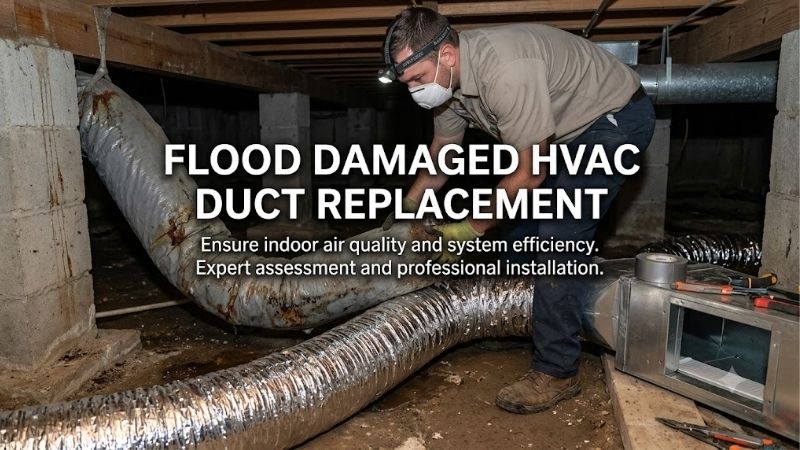
Flood damaged hvac duct replacement is essential when floodwaters submerge home ventilation lines with mud and bacteria. Saturated flexible ducting cannot be sanitized, making immediate removal critical to prevent toxic mold spore growth. Knowing when to swap damaged ducts preserves home safety and protects expensive HVAC equipment.
How to Choose Solutions for Flood Damaged HVAC Duct Replacement
Selecting correct materials for replacing ruined air lines requires evaluating contamination levels, duct types, and structural access. Navigating submerged ductwork sanitation properly protects your home against lingering odor and bacterial spread. Investing in proper tools ensures long-term home heating performance.
Assessing Flexible vs Rigid Duct Contamination
Determining whether your ventilation system uses flex ducting or fiberglass-lined sheet metal dictates your immediate replacement strategy. Flexible ducts absorb sewage water rapidly, creating high risk for mold contamination in vents that no surface spray can fix. Tearing out soaked flex runs remains the safest solution.
Unlined galvanized metal trunks can often be salvaged if disinfected promptly, whereas fiberglass insulation jackets require complete removal. Inspecting internal duct liner conditions ensures you do not trap wet insulation behind new drywall. Smart assessment saves money while protecting living space safety.
Evaluating Moisture Traps and Static Pressure
Standing floodwater sags low flex duct branches, creating heavy water pockets that collapse internal wire spirals permanently. Estimating your flexible duct replacement cost helps you allocate funds toward heavy-gauge materials that resist sagging under pressure. Clear pathways maintain balanced airflow everywhere.
Measuring static air drag across replacement branches prevents furnace blower fan strain during winter heating cycles. Replacing squished flex runs restores proper air velocity while eliminating stagnant air pockets where moisture gathers. Quality replacement ducting keeps your central unit operating quietly and efficiently.
Selecting Mold-Resistant Sealants and Mastics
Installing new ventilation lines requires water-resistant mastic paste and heavy foil tape to seal sheet metal joints tightly. Planning your hvac water damage repair with commercial-grade sealants prevents humid crawlspace air from entering clean supply streams. High-tack adhesive pastes prevent future joint leaks.
Avoid standard cloth duct tape, which breaks down quickly when exposed to ambient moisture and temperature swings in attics. Synthetic water-based mastics dry into flexible rubber seals that resist microbial growth over decades. Sealing new duct connections properly preserves indoor climate control performance.
Ensuring Safe Environmental Decontamination
Removing mud-covered ductwork without proper isolation spreads toxic bio-contaminants throughout unflooded living areas. Understanding flooded ductwork health risks encourages homeowners to seal off damaged registers before tearing down wet lines. Containing airborne spores protects family respiratory health.
Utilizing negative air scrubbers and wearing certified N95 respirators prevents inhaling hazardous sewage dust during teardown. Disposing of contaminated flex ducting in sealed bags prevents cross-contamination across clean hallways. Thorough safety measures ensure your home restoration proceeds cleanly.
| Ductwork Material | Contamination Risk | Restoration Action | Recommended Replacement Materials |
|---|---|---|---|
| Flexible Ducting | Extreme (Absorbs Sewage) | Full Demolition & Replacement | Multi-Layer Metalized Flex Duct |
| Metal with Outer Wrap | Moderate (Exterior Dampness) | Strip Insulation & Sanitize Metal | R-8 Fiberglass Duct Wrap |
| Internal Fiberglass Liner | High (Microbial Trap) | Strip Liner & Seal Metal | Unlined Metal + Exterior Wrap |
| Rigid Galvanized Trunk | Low (Non-Porous Interior) | Pressure Wash & Disinfect | Water-Based Mastic & Foil Tape |
Top Picks for Flood Damaged HVAC Duct Replacement
Choosing proven tools and replacement materials simplifies flood damaged hvac duct replacement while ensuring long-term ventilation hygiene. The following verified Amazon products help homeowners test moisture levels, seal metal joints, and replace ruined flex ducting. These tested solutions preserve home air safety.
Klein Tools ET140 Pinless Moisture Meter
Ideal for homeowners needing accurate duct moisture inspection before installing new sheet metal or flex ducting runs. The Klein Tools ET140 uses non-destructive pinless technology to detect hidden dampness behind subfloors and drywall headers. It prevents attaching clean new vents onto damp framing studs.
Lacks a backlit display screen, making readings slightly difficult to view in dark, unlit crawlspaces during our research. Deep moisture detection is limited to three-quarter inch depths on porous building materials. Overall, it delivers accurate digital detection to ensure dry framing before duct installation.
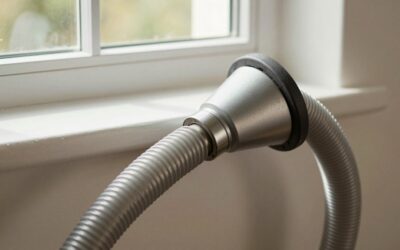
AC Infinity Flexible Aluminum Ducting 8-Inch 25-Foot
Designed for homeowners needing durable flex line replacement following severe basement or crawlspace water intrusion events. The AC Infinity ducting features multi-layer aluminum housing reinforced with internal steel wire spirals. It provides outstanding tear resistance while providing clean air delivery.
Outer aluminum layer can puncture if dragged forcefully across sharp sheet metal trunk edges during tight attic installs. Lacks built-in fiberglass insulation sleeves, requiring separate sheet metal duct insulation wraps in unconditioned spaces. Nonetheless, it offers superior crush-resistant flex duct replacement.
Design Polymerics DP 1010 Water Based Duct Mastic
Great for sealing sheet metal connections firmly during flood damaged hvac duct replacement projects in humid basements. Design Polymerics DP 1010 spreads smoothly with a brush, curing into a flexible water-resistant barrier. It seals joint gaps tightly, preventing damp crawlspace air from infiltrating clean vents.
Requires 24 hours of drying time before running high-velocity blowers to avoid blowing wet paste out through seams. Thick application in unheated winter basements slows surface skinning slightly. Overall, it delivers industrial-grade airtight joint sealing that prevents future mold growth along supply trunks.
Fiberlock ShockWave Disinfectant Cleaner
Suited for sanitizing floor framing and unlined metal trunks during air handler flood restoration projects. Fiberlock ShockWave provides EPA-registered hospital-grade disinfectant action that kills mold spores, sewage bacteria, and viruses on contact. It cleans structural surfaces before new ducting mounts.
Concentrated liquid formula requires careful water dilution and protective rubber gloves during spray application. Strong chemical scent during initial application requires active room ventilation for several hours. Nevertheless, it provides powerful antimicrobial wash protection for flood-damaged homes.
AlorAir CleanShield HEPA 550 Air Scrubber
Best for contractors and homeowners wanting maximum airborne dust control during aggressive ductwork teardown sessions. The AlorAir CleanShield HEPA 550 features variable airflow up to 550 CFM, capturing 99.97% of fine mold spores and sewage dust. It maintains negative pressure to keep living areas safe.
Heavy commercial housing takes up significant floor space in tight residential utility closets during operation. Higher initial tool cost makes it a specialized investment for major home restoration projects. Overall, it offers unmatched air scrubbing power that protects indoor safety during duct repairs.
Frequently Asked Questions
Navigating flood damaged hvac duct replacement involves urgent choices about safety, insurance coverage, and system hygiene. Below are clear expert answers to frequent homeowner questions regarding flooded ventilation lines and sanitation steps. Learn how to restore your home ventilation safely after severe storms.
Can flood damaged flex ducts be cleaned and reused?
No, flexible air ducts submerged in floodwaters cannot be sanitized and must be removed and replaced completely. Floodwater carries mud, bacteria, and sewage that penetrate porous inner insulation layers permanently. Attempting to wash flex ducting traps dampness, triggering toxic mold growth inside living areas.
Replacing ruined flex runs ensures your post flood indoor air quality remains safe for your family post-restoration. Installing new factory-sealed flex ducting eliminates lingering odors and protects your furnace blower motor from circulating contaminated dust. Complete replacement is the only safe option.
Does homeowners insurance cover flooded duct replacement?
Standard homeowners insurance policies typically exclude flood damage caused by rising natural water bodies or heavy storm surge. However, if water intrusion stems from an internal plumbing burst, standard policies usually cover ductwork replacement costs. Checking policy riders clarifies your exact coverage limits.
National Flood Insurance Program policies generally cover central HVAC equipment and main ductwork replacement after natural floods. Documenting water lines on metal trunks with photos before tear-out supports your insurance claim process. Prompt documentation speeds up financial reimbursement for repairs.
How do I sanitize metal duct trunks after a flood?
Unlined sheet metal duct trunks can be sanitized by removing mud deposits, scrubbing with detergents, and applying EPA disinfectants. Technicians spray EPA-registered antimicrobials inside rigid metal lines to eliminate bacteria while verifying flooded HVAC system safety. Outer insulation jackets must be replaced.
If metal trunks contain internal fiberglass acoustic lining, that wet insulation must be stripped out entirely before sanitizing metal walls. Re-insulating metal duct exterior prevents condensation sweating during summer cooling operations. Proper sanitation restores clean airflow across living spaces.
How long can I wait before mold grows in flooded ducts?
Toxic mold spores begin colonizing damp duct insulation and organic flood sediment within 24 to 48 hours of water exposure. High humidity inside closed crawlspaces accelerates fungal growth, spreading spores across home framing rapidly. Immediate duct removal prevents widespread spore distribution.
Running your central HVAC unit while ductwork remains wet spreads microscopic mold spores into every bedroom instantly. Turning off power to your air handler immediately after flooding stops airborne contaminant distribution. Prompt demolition keeps home restoration costs manageable and safe.
Final Thoughts
Executing flood damaged hvac duct replacement promptly protects your family health and preserves central heating efficiency. Removing ruined flexible lines, sanitizing metal trunks, and sealing new joints restores clean air distribution. Prioritizing proper ductwork care ensures long-term home safety.
As an Amazon Associate we earn from qualifying purchases at no extra cost to you.








Write Your Review
No reviews yet. Be the first to share your experience!