
Choosing between a dryer vent brush and a dryer vent snake is less about picking the “stronger” tool and more about matching the tool to the vent’s shape, length, and access points. A brush is a flexible rod with bristles that loosens and pulls lint from the duct walls. A snake is a thinner, more maneuverable cable or auger designed to travel through longer, tighter, or more sharply routed ductwork.
That distinction matters because a typical dryer vent may run 10 to 25 feet through a wall, floor, or ceiling, with one or more bends along the way. A tool that works well in a short apartment duct may be frustrating in a long run. Before buying, measure the approximate vent length, identify whether the outside termination is accessible, and check whether your dryer can be pulled far enough from the wall to disconnect the duct safely. The right choice can make routine cleaning faster and reduce the temptation to keep running a dryer with restricted airflow.
As an Amazon Associate we earn from qualifying purchases at no extra cost to you.


Quick answer: Our top pick in 2026 is the Comfort — our #1 rated choice. See the full ranked comparison, alternatives and buying advice below.
Quick Verdict
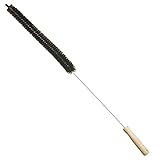
Choose a dryer vent brush if you want the most straightforward, affordable option for regular cleaning. Brushes are especially effective on short-to-medium vent runs with relatively gentle bends. Their bristles scrub lint from the inside of the duct, and most kits include several rods that connect to create a 10- to 30-foot reach.
Choose a dryer vent snake if your vent is long, narrow, difficult to reach, or routed around multiple bends. A snake’s flexible cable generally navigates tight turns more easily than a brush’s rigid rod sections. Some models are manual, while others attach to a cordless drill. Drill-compatible versions can save effort, but they require more careful handling so the cable does not kink, detach, or damage a flexible duct.
For many homes, the best setup is not either-or: use a brush for seasonal deep cleaning and a small snake for occasional blockages or difficult sections. If airflow remains poor after cleaning, a crushed duct, damaged flex hose, or exterior flap problem may need professional attention.
Side by Side
| Factor | Dryer Vent Brush | Dryer Vent Snake |
|---|---|---|
| Comfort | Light pushing and pulling; hand fatigue can increase with long runs | Usually easier through bends, though manual cranking can tire the wrist |
| Durability | Fiberglass or nylon rods are durable but can crack if forced around corners | Coiled cables resist bending, but thin cables may kink when overloaded |
| Price range | About $15 to $35 for most household kits | About $20 to $60 manual; $40 to $120 for powered or drill-compatible systems |
| Maintenance | Wash or brush off lint; let rods and bristles dry before storage | Wipe the cable clean and check for kinks, loose fittings, or damaged attachments |
| Space needed | Often stores in sections totaling 12 to 30 feet; needs a straight assembly area | Compact coil or reel; usually easier to store in a small utility closet |
| Look | Visible nylon bristles provide a clear scrubbing head | More discreet, with a narrow cable and auger or brush attachment |
| Resale | Easy-to-understand tool that is attractive to most first-time buyers | Appeals to buyers with long or unusually routed vents |
| Best for | Routine cleaning, short runs, and visible lint buildup | Long runs, tight bends, and stubborn or partially blocked sections |
| Power needs | No electricity; manual operation | Manual models use no power; drill-driven models use your existing cordless drill |
Where Dryer Vent Brush Wins
A brush is the better value when the vent is reasonably accessible and you plan to clean it on a schedule. Its bristles make direct contact with the duct wall, helping loosen the gray, felt-like layer that a vacuum alone may leave behind. A brush also gives you useful tactile feedback: you can feel when the head reaches a bend or a compacted area rather than simply feeding an unstructured cable into the duct.
Most brush kits use rods about 12 to 24 inches long that screw or snap together. A 20- to 30-foot kit can reach a long vent when cleaning from the dryer connection and the exterior outlet. For example, the Holikme Dryer Vent Cleaner Kit with 30 feet of flexible fireplace-chimney brushes is listed at $19.99, while the brand’s 35-foot flexible lint brush kit is listed at $20.99. Products in this category are inexpensive enough for many homeowners to keep on hand without treating them as a major tool investment.
Brushes are also simple to inspect. Before inserting one, confirm that every rod connection is tight. Work slowly, especially near flexible foil or plastic ducting, which can tear if the bristles or rod end catch on a seam. Short back-and-forth strokes are generally safer than forcefully twisting the assembly. If you encounter hard resistance, stop and investigate rather than pushing until the rod bends.
The main limitation is geometry. A brush head may struggle to pass through tight elbows, and sectional rods can separate inside the duct if connections are loose. Brushes also need more open floor or wall space during assembly and storage. A 30-foot kit may be compact when disassembled but still require a clear path while in use.
Where Dryer Vent Snake Wins
A snake earns its place when the vent disappears behind cabinets, travels vertically, or includes bends that stop a brush. Its narrow cable can usually follow curves with less resistance, and a reel or coil keeps the tool contained between uses. This makes it appealing in condos, townhomes, and older homes where the dryer is far from an exterior wall.
Snakes are particularly useful for locating and breaking through a localized obstruction. A small auger-style end can work through a dense lint plug, while a brush attachment can sweep up loosened material. Some units connect to a cordless drill for rotation. These models can be faster, but the operator should use the lowest practical speed and light pressure. A drill-driven snake has no independent motor wattage; it draws power from the drill, so performance depends on the drill’s battery, clutch, speed control, and torque.
A snake is not automatically safer for every duct. Excessive rotation can abrade a thin flexible liner or wrap lint around the cable. It can also travel past a damaged section without making the problem obvious. Inspect the duct after cleaning, and keep the dryer unplugged while disconnecting or reconnecting the vent. Never operate the dryer with a loose duct connection or with a cleaning cable left inside.
Cost Over 5 Years
For a basic maintenance plan, a brush usually has the lower five-year cost. Assume a $20 brush kit, one replacement kit at $20 after heavy wear, and no electricity cost because the tool is manual. That produces an estimated five-year tool cost of about $20 to $40. A homeowner who stores the rods indoors, avoids forcing them through bends, and cleans them after use may need only one kit.
A manual snake costing $30 to $60 may last five years with similar care, putting its estimated tool cost at about $30 to $80 if a replacement cable or attachment is needed. A drill-compatible or powered system can raise the initial expense to $60 to $120, although it may still be economical if it replaces repeated service calls. These are purchase estimates, not guarantees; frequency of use, duct length, and damage from improper handling will determine actual longevity.
Neither tool eliminates the need to clean the lint screen after every load. That free habit does more to reduce routine buildup than buying a longer tool. If a vent requires cleaning several times a year because clothes take too long to dry, investigate the duct layout and airflow rather than treating repeated tool purchases as the solution.
Which One for Your Home
Small apartment
Start with a compact brush if the dryer sits near an exterior wall and the duct is under about 10 feet. A 12- to 20-foot kit is usually easier to handle than a 30-foot assembly. If the vent runs behind built-ins or has a tight elbow, choose a slim manual snake instead. Ask the landlord before disconnecting a shared or concealed duct.
Family with kids or pets
Choose a brush for routine seasonal cleaning, particularly if the dryer runs several loads each week. Heavy laundry use and pet hair can make maintenance more important. A kit with at least 20 feet of reach is practical for many houses. Store rods, bristles, and snakes where children cannot access them, and remove all attachments from the duct before reconnecting the dryer.
Rental
A manual snake is a sensible choice when you do not know the exact route and want a tool that stores compactly. However, do not force either tool through a concealed vent or alter a wall, cabinet, or exterior termination. Document any persistent airflow issue and notify the property manager, since the landlord may be responsible for a blocked or damaged fixed duct.
Long-term home
Buy the tool that matches your actual vent layout rather than the longest package on the shelf. A brush is the best value for a short, accessible run. For a 20- to 30-foot route with multiple bends, a durable snake can complement a brush and remain useful for years. If the duct is unusually long, enclosed, or difficult to inspect, schedule professional cleaning and use a household tool only for light maintenance.
FAQ
Is a dryer vent brush better than a dryer vent snake?
Neither is universally better. A brush generally removes wall buildup more directly and costs less, while a snake handles tight bends and long, concealed routes more easily. Choose based on the duct’s length and shape.
Can I use a drill with a dryer vent brush?
Only use a brush or snake specifically designed for drill attachment. Follow its speed guidance, use light pressure, and stop if the cable binds. Do not attach a standard sectional brush to a drill unless the manufacturer expressly permits it.
How often should I clean a dryer vent?
Many homes benefit from a thorough inspection and cleaning at least once a year. Clean sooner if drying times increase, the dryer or laundry room becomes unusually hot, or the exterior flap has weak airflow. High-use households may need more frequent checks.
What if the vent is still blocked after cleaning?
Stop using the dryer until the cause is identified. The duct may be crushed, disconnected, clogged beyond the tool’s reach, or terminated incorrectly outside. A qualified technician can inspect the full route and repair problems that a brush or snake cannot safely address.
Ready to decide? Our #1 pick for 2026 is the Comfort.
Live price & availability on Amazon.




Write Your Review
No reviews yet. Be the first to share your experience!