
- Top Pick: Flexible 8 Tentacles Air Duct Cleaning Whip, Forward Air Flow Design, 14 Inch Long for Duct Cleaning with 1/8 Inch Connector
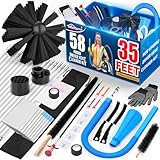
- Best Value: Holikme Dryer Vent Cleaner Kit – 30Ft Fireplace Chimney Brushes Flexible
- Premium Choice: Replacement Toothbrush Heads Compatible with Oral B Braun, 12 Pcs
When comparing a duct cleaning whip vs brush head, the real decision is not simply which tool looks more powerful. It is whether you need a gentle tool for loosening light dust, or a more controlled scrubbing tool for stubborn buildup. You also need to consider the duct material, access openings, available equipment, storage space, and whether you are cleaning one home occasionally or maintaining a system for years.
A duct cleaning whip uses compressed air to move flexible strands that agitate dust from the inside of a duct. A brush head uses bristles attached to a rod, cable, drill, or rotary-cleaning system to physically scrub the surface. Both can be useful, but they suit different homes and cleaning habits. The best choice for 2026 is the one that matches the condition of your ducts rather than the tool with the most aggressive action.
As an Amazon Associate we earn from qualifying purchases at no extra cost to you.


Quick Verdict
Choose a duct cleaning whip for flexible ducts, light-to-moderate dust, tight bends, and occasional homeowner cleaning. It is compact, relatively gentle, and effective when paired with strong negative-air collection or a high-powered vacuum. A whip is particularly convenient when you need to reach around turns without pushing a rigid shaft through the duct.
Choose a brush head for heavier dust, pet hair, greasy residue, or buildup that has adhered to the duct wall. Bristles provide more direct contact and scrubbing power, especially in straight metal trunk lines. The tradeoff is that a brush head may require a rotary machine, drill, longer rods, or a larger access opening.
Neither tool is a complete cleaning system by itself. Agitation loosens debris; a properly positioned vacuum or negative-air machine must capture it. Without collection, either tool can simply redistribute dust through the home.
Side by Side
| Factor | Duct Cleaning Whip | Brush Head |
|---|---|---|
| Comfort | Light hand pressure; air supply and hose add setup work | More pushing and pulling; powered models reduce manual effort |
| Durability | Flexible strands can wear or break with rough use | Rod and bristles can last for years if stored straight and clean |
| Typical price range | About $25–$100 for a homeowner attachment | About $20–$150 for a brush head, rods, or basic kit |
| Maintenance | Wipe strands, inspect the connector, and remove lodged debris | Rinse or vacuum bristles; inspect for bent or missing bristles |
| Space needed | Usually compact; many heads measure roughly 12–18 inches | Rods and cables may require 10–30 feet of storage length |
| Look and handling | Soft, flexible tentacles with a narrow air connector | Round bristle head on a rigid rod or flexible cable |
| Resale | Limited homeowner resale unless fittings are standard | Better resale when rods, adapters, and heads are compatible |
| Best for | Light dust, bends, flexible ducts, and occasional use | Dense buildup, straight runs, and repeated cleaning |
| Equipment required | Compressor or suitable compressed-air source plus vacuum collection | Rods, drill, rotary system, or manual push-pull setup |
Where Duct Cleaning Whip Wins
The biggest advantage of a whip is maneuverability. Flexible strands can spread inside the duct and work around gradual bends without requiring a rigid shaft to follow the entire path. That makes a whip useful for smaller branch ducts and systems where access is limited.
Whips are also comparatively gentle. The strands move with the air and tend to conform to the duct surface rather than scraping it with a hard edge. This is important for flexible insulated ductwork, where excessive pressure can damage the inner liner, loosen insulation, or create a tear. You should still use low pressure at first and follow the tool maker’s recommendations; “gentle” does not mean risk-free.
Storage is another benefit. A compact attachment can fit in a utility drawer or small storage bin. For example, a Flexible 8 Tentacles Air Duct Cleaning Whip is listed at 14 inches long and uses a 1/8-inch connector. Its listed price is $46.95, which is within the typical entry-level range for a dedicated whip attachment. Buyers should verify that their air hose, compressor fitting, and pressure range match the connector before ordering.
A whip is also useful when the goal is preventive maintenance rather than restoration. If a return grille has a visible layer of ordinary household dust but no greasy coating or compacted debris, flexible agitation followed by thorough vacuuming may be sufficient. It is less appealing when the duct wall has hardened deposits that require direct bristle contact.
Where Brush Head Wins
A brush head provides a more familiar cleaning action: the bristles contact the surface and break loose material through repeated passes. That makes it the stronger choice for thick dust mats, pet hair, lint, and residue that has stuck to metal. It is especially effective in straight sections where you can keep the head aligned and control how much pressure reaches the duct wall.
Brush systems are available in several formats. A manual brush on flexible rods can be pushed through a short run. A rotary brush head can attach to a drill or dedicated duct-cleaning machine, allowing the bristles to spin while a vacuum removes loosened debris. A typical homeowner setup may use a 4- to 6-inch head and rods totaling 10 to 30 feet, but the correct size depends on the duct diameter and access point.
The cost can be low for basic work. The Holikme Dryer Vent Cleaner Kit, for example, is listed at $19.99 and includes flexible chimney-style brushes. A dryer vent kit is not automatically a substitute for a full HVAC duct-cleaning system, but it illustrates the lower end of brush-based cleaning costs and the importance of matching the tool to the job.
Brush heads do have limitations. A rigid or aggressively rotating head can damage flexible duct liners, snag insulation, or scratch delicate internal coatings. A brush can also push debris farther into a branch if the vacuum is not operating at the same time. Use only a head designed for the duct material and avoid forcing a brush around sharp turns.
Cost Over 5 Years
For occasional homeowner use, the five-year cost is usually driven more by accessories and equipment than by the head itself. A $46.95 whip may last five years if it is used once or twice annually, cleaned after each job, and stored without bending the strands. Add an estimated $10–$30 for replacement fittings, seals, or storage, and the five-year tool cost is roughly $57–$77, excluding a compressor and vacuum.
A basic brush setup could cost $20–$60 for a manual head and short rod set, or about $60–$150 for a more complete rotary-compatible arrangement. Over five years, replacing worn bristles or adding rods could bring the total to approximately $80–$200. A drill or dedicated rotary machine, if you do not already own one, raises the total substantially.
Do not confuse brush-head pricing for unrelated personal-care products with duct equipment. Replacement Toothbrush Heads Compatible with Oral B Braun are listed at $9.99 for 12 pieces, while Philips Sonicare C2 Brush Heads are listed at $31.96 for a three-pack. Those products may appear in broad “brush head” searches, but they are not suitable for air ducts and should not be included in a duct-cleaning budget.
Which One for Your Home
Small apartment
A duct cleaning whip is usually the more practical choice if you have permission to clean the system and can connect it to an appropriate air source. Apartments often have limited storage, short accessible branches, and fewer opportunities to install large access panels. For light dust, use the whip with a vacuum at the grille or return opening. If the system has heavy contamination, contact building management or a professional rather than opening shared ductwork.
Family with kids and pets
A brush head is preferable when pet hair and tracked-in dust have formed visible buildup, particularly in accessible metal returns. Its direct scrubbing action can handle denser debris. Work slowly, seal nearby registers, and use collection equipment so loosened material does not enter occupied rooms. For flexible branches, switch to a softer brush or a whip to reduce the chance of liner damage.
Rental
Choose the least invasive option: generally a compact whip for light cleaning, or a soft manual brush for a short, accessible section. Ask the landlord before removing grilles, drilling access holes, or using compressed air. A rental is not the place for an aggressive rotary brush unless the owner or a qualified technician approves the method and can address any damage.
Long-term home
If you plan to maintain the home for many years, a brush system offers more flexibility. You can add rods, replacement heads, and adapters as your needs change. Choose a whip instead if most of your ductwork is flexible or has numerous bends. Either way, buy compatible parts from the same system when possible and keep a record of which ducts have been cleaned.
FAQ
Is a duct cleaning whip safer than a brush head?
Not automatically. A whip is often gentler on flexible ductwork, while a brush can be safer and more effective on sturdy metal when used with controlled pressure. The wrong pressure, speed, or head size can damage either system. Always identify the duct material first.
Can I use a duct cleaning whip without a compressor?
Most pneumatic whips require compressed air, so a compressor or another approved air source is necessary. Check the connector, airflow requirement, and pressure range before buying. You also need vacuum collection; air alone will not remove the loosened dust from the home.
Should I use a brush head or whip for mold?
Neither tool is a complete mold solution. Disturbing suspected mold can spread particles, and porous insulation may need replacement rather than brushing. For visible growth, persistent odor, or water damage, have the system assessed by a qualified professional before agitating it.
How often should duct-cleaning tools be used?
There is no universal annual schedule. Inspect grilles and accessible duct sections after remodeling, water damage, pest activity, or major dust events. Routine cleaning is more defensible when there is visible buildup, airflow restriction, or recurring debris—not simply because a calendar date has arrived.
Ready to decide? Our #1 pick for 2026 is the Comfort.
Live price & availability on Amazon.


Write Your Review
No reviews yet. Be the first to share your experience!